
Why Polyethylene (PE) Is So Flexible
Polyethylene (PE) possesses exceptional flexibility—when bent by external force, it deforms easily without breaking or leaving permanent marks. This characteristic allows it to permeate all aspects of our production and daily life, becoming an indispensable and commonly used material. Many people wonder where PE's flexibility comes from. This is not accidental, but rather determined by its molecular structure, and is also influenced by factors such as the polymerization process and the external environment—a principle both practical and scientifically sound.
At the molecular level, PE's flexibility originates from the carbon-carbon single bonds in its main chain. These single bonds can rotate freely around their axis, much like a loosely stretched rope that can flexibly change shape. The molecular chains that make up PE are composed of thousands of repeating units; this rotatable structure allows the molecular chains to freely adjust their spatial shape, preventing the chemical bonds from being broken when bent.
Furthermore, the side groups of PE contain only tiny hydrogen atoms, which do not "hinder" each other, further reducing the difficulty of molecular chain movement. This allows chain segments to slide and rearrange freely, resulting in the excellent flexibility we observe on a macroscopic scale.
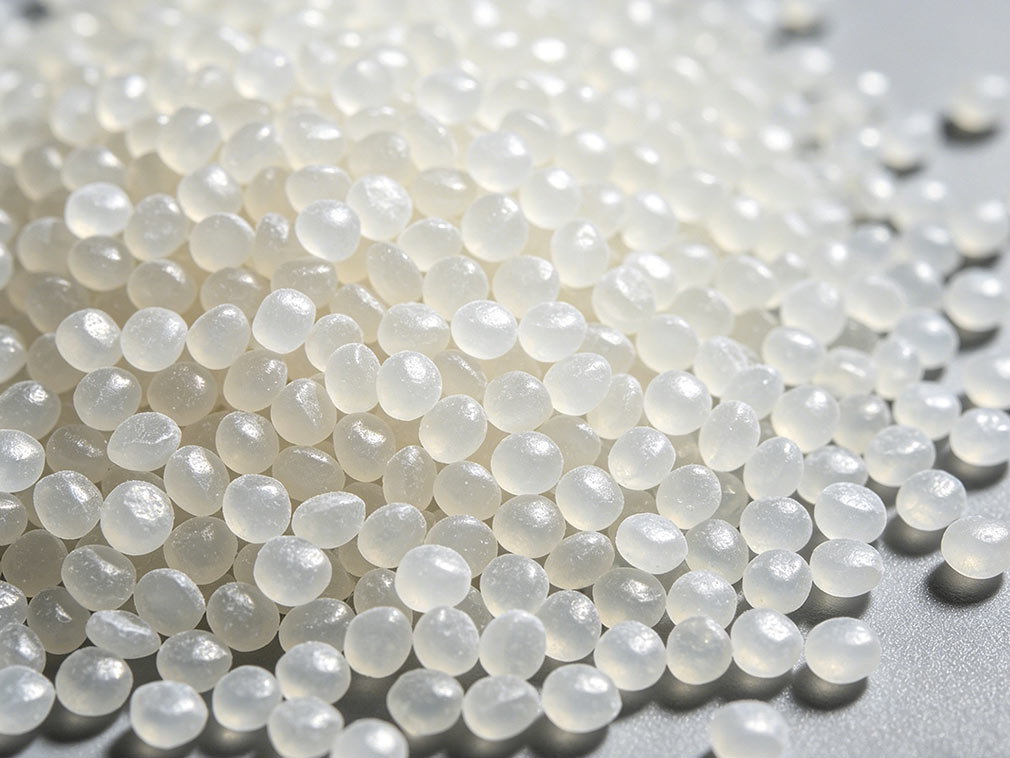
Different types of polyethylene exhibit subtle differences in flexibility: low-density polyethylene (LDPE) with its numerous branched chains offers the best flexibility. linear low-density polyethylene (LDPE) balances both toughness and rigidity; high-density polyethylene (HDPE) has higher crystallinity and is slightly more flexible, but still significantly better than most rigid plastics.
Temperature and bending speed also affect the flexibility of polyethylene. Experimental observations show that within a normal temperature range, a slight increase in temperature makes the molecular chains of polyethylene more active, resulting in better flexibility and ductility; while at low temperatures, molecular movement slows down, leading to a decrease in flexibility. However, high-quality polyethylene maintains a certain degree of flexibility even at -50°C, without easily becoming brittle and breaking.
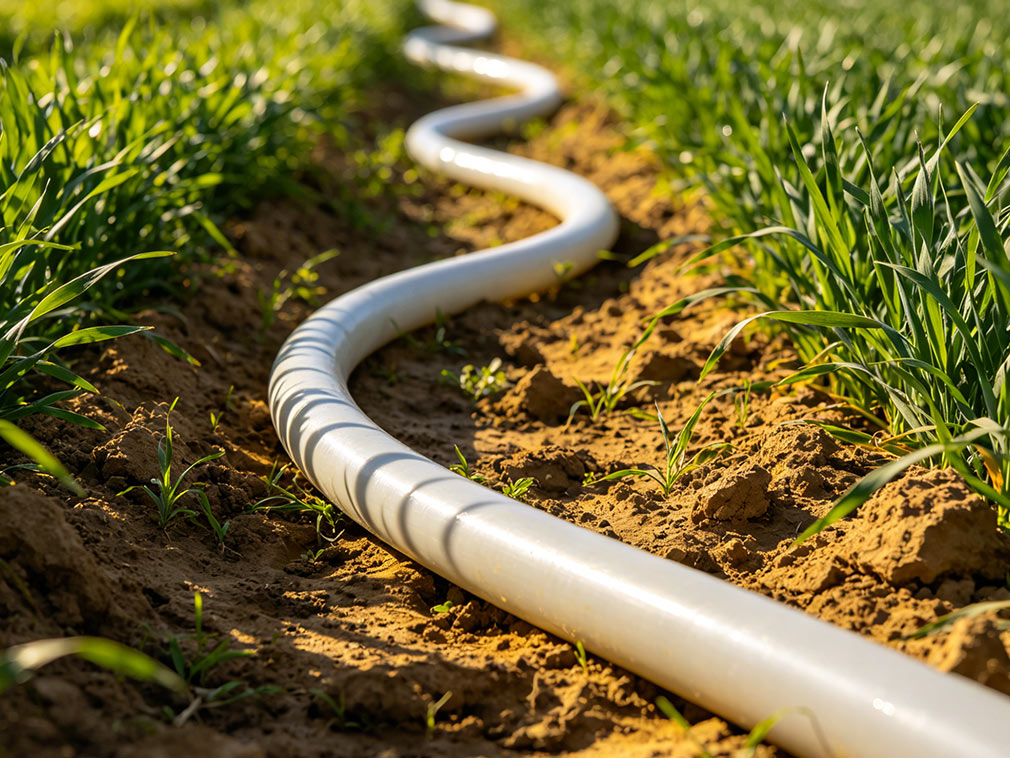
Furthermore, faster bending speeds result in poorer flexibility in polyethylene—because the molecular chains do not have enough time to adjust their shape, making them prone to breakage; conversely, slow bending allows sufficient time for the molecular chains to slide and rearrange, resulting in greater flexibility. This characteristic allows polyethylene to adapt to different environments and usage scenarios, expanding its application range.
The advantages of polyethylene's "bendability and non-deformation" have been fully utilized in engineering construction, daily necessities, and agricultural production. In municipal engineering, PE (polyethylene) pipes are the preferred choice for many projects due to their excellent flexibility.
They can be laid naturally following the terrain and easily adapt to slight ground subsidence, avoiding the cracking problems of traditional rigid pipes. For example, during the renovation of an old residential area, PE pipes replaced the original concrete pipes. Even after several minor settlements, the pipes remained undamaged and leak-free, significantly reducing maintenance costs.
In agriculture, PE irrigation pipes are also very practical. They can be flexibly laid along hilly and farmland terrain without frequent support piers, improving construction efficiency and reducing material waste.
In our daily lives, the flexibility of polyethylene is ubiquitous. Food packaging films can be bent easily, preventing damage when wrapping food; plastic shopping bags can be easily folded for storage, deforming slightly under load without tearing; children's toys and household plastic containers also benefit from its flexibility, allowing for various shapes while ensuring safety and avoiding the hazards of rigid breakage.
Beyond everyday applications, the flexibility of polyethylene (PE) is also highly valuable in high-end manufacturing—for example, in the production of cable sheaths and tailings conveying pipes in mines. It can buffer vibrations, adapt to complex laying patterns, and thus extend product lifespan.
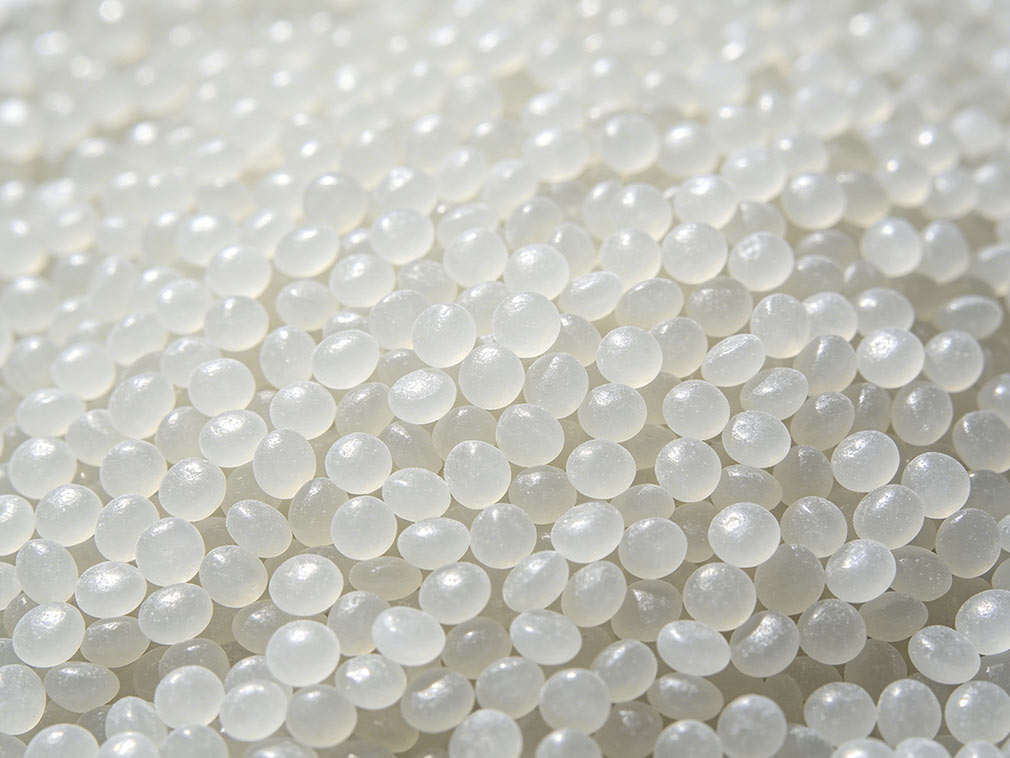
As the industry continues to upgrade, the flexibility of PE is also being continuously optimized. Researchers have developed more targeted flexible products by adjusting molecular weight distribution, crystallinity, and branched structure to meet the specific needs of high-end fields.
Currently, the industry is also promoting a shift from "purchasing by grade" to "purchasing by performance," ensuring that the flexibility of PE products is optimally suited to different application scenarios. This combination of flexibility and stability allows PE to play a vital role in the circular economy and low-carbon infrastructure, making it a practical and environmentally friendly high-quality material that continues to provide convenience to our lives.
Our platform connects hundreds of verified Chinese chemical suppliers with buyers worldwide, promoting transparent transactions, better business opportunities, and high-value partnerships. Whether you are looking for bulk commodities, specialty chemicals, or customized procurement services, TDD-Global is trustworthy to be your fist choice.












