PP vs PE: Plastic Traits & Uses
In our daily life, plastic is everywhere, from yogurt cups at breakfast to plastic bags when shopping, from water pipes at home to car parts, plastic materials have become an indispensable part of modern life. Among the many types of plastics, polypropylene (PP) and polyethylene (PE) are like a pair of brothers with different personalities.
Although they belong to the same family, they have completely different "tempers" and "specialties". It is these unique characteristics that allow them to show their talents in different fields and meet our diverse needs.
Transparent and tough PP: a reliable choice for food and structure
Polypropylene is the "transparent expert" in the plastic family. Compared with PE, its biggest advantage is its crystal clear appearance. If you look closely, you will find that most of the yogurt cups and fruit packaging boxes in the supermarket are made of PP.
This material allows us to clearly see the food inside, while effectively isolating air and moisture, and extending the shelf life of food. The secret behind this is that the PP molecules are arranged neatly and orderly, and it is not easy for light to scatter when passing through, so it looks more transparent.
In addition to high transparency, PP is also particularly "strong and durable". It has excellent fatigue resistance, just like the plastic folders we often use, which are not easily damaged even if they are opened and closed many times a day. This is the silent role of PP materials. In low temperature environments, PP can also maintain good toughness. If the plastic chairs placed outdoors in winter are made of PP, they will not easily become brittle and crack due to the cold.
What's more, PP can also withstand high temperatures. Most of the microwave-safe tableware in our homes is made of PP. It can withstand temperatures above 100°C and will not deform or release harmful substances even if it is directly placed in a microwave oven for heating.
This tough characteristic allows PP to show its prowess in the field of structural parts. Many bumpers and dashboards on cars are made of PP, which not only reduces the weight of the car body, but also enhances its strength by adding special materials, and plays a role in buffering and protection in the event of a minor collision. The density of PP is also very stable, about 0.90-0.91g/cm³, and it will only change when other materials are added, which allows manufacturers to more accurately control product quality during production.
PE with density determines its character: from flexible film to strong pipe
The "character" of polyethylene is mainly determined by its density. Just like sponges of different densities have different elasticity, PE is divided into three types according to density: low density, medium density and high density, and each has its own best job. Low-density polyethylene (LDPE) is a "soft temper". It is soft and ductile, which is very suitable for making plastic film.
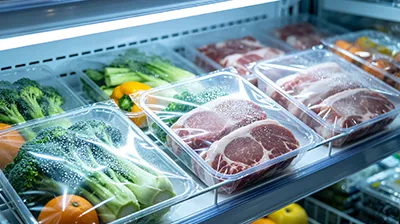
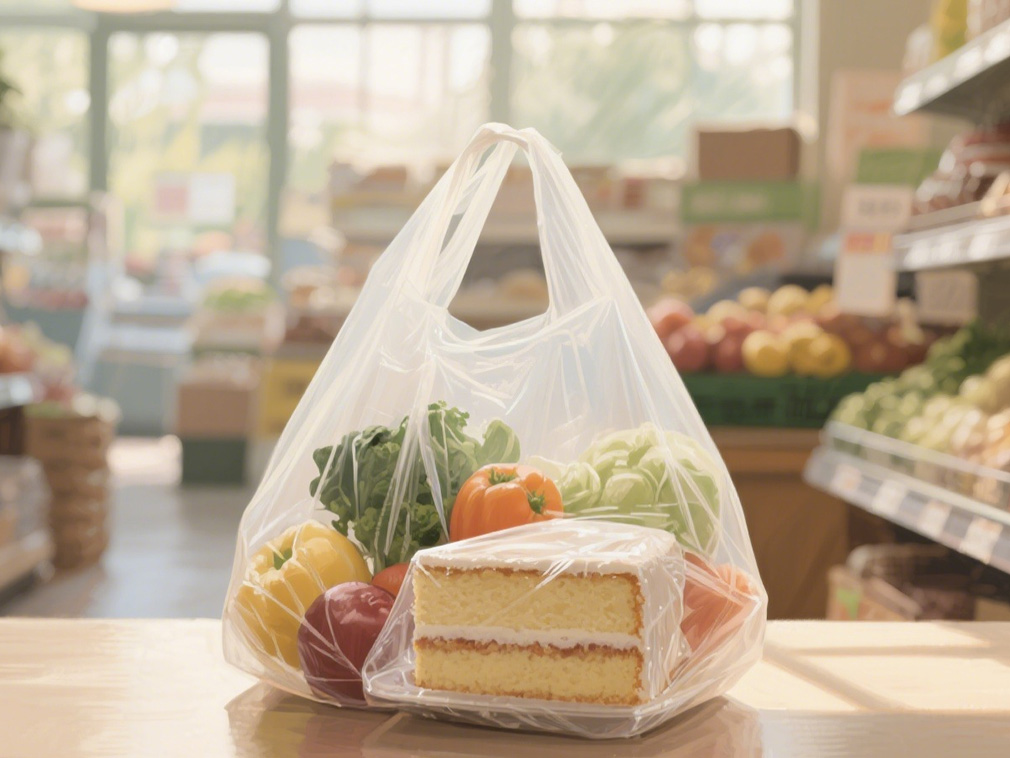
The supermarket shopping bags and food wrap we use every day are masterpieces of LDPE. It is light and portable, and can also tightly wrap food to prevent odor contamination. In rural areas, LDPE film is used to build plastic greenhouses, which can keep warm and moisturize, and let sunlight in to help crops grow.
Medium-density polyethylene (MDPE) has a moderate character. It is not as soft as LDPE, but more elastic than high-density PE. This characteristic makes it particularly suitable for making products that require a certain strength and flexibility, such as heavy packaging bags, shopping bag handles, and irrigation pipes in farmland. MDPE pipes buried underground are not easily crushed by soil pressure, and can also resist long-term erosion by water flow, making them very durable for agricultural irrigation.
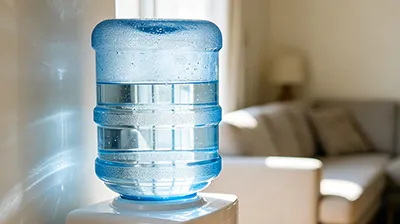
High-density polyethylene (HDPE) is the "tough guy" in the PE family, with the highest density and the hardest texture. This material is resistant to pressure and wear, and is very suitable for making various rigid containers. Most of the mineral water bottles we drink and the laundry detergent bottles at home are made of HDPE. It can withstand the pressure of the internal liquid and is not easy to be broken.
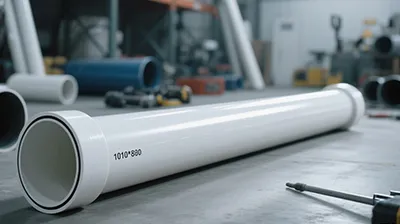
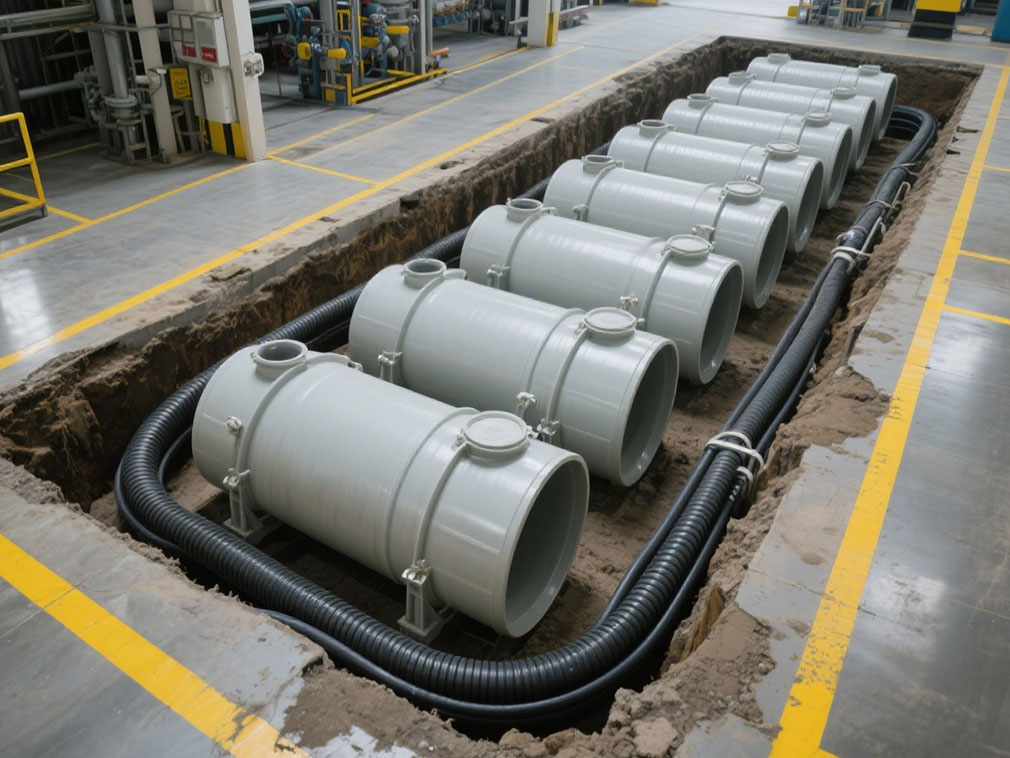
In urban construction, HDPE pipes are widely used for tap water transportation and sewage discharge. It has strong corrosion resistance and a service life of more than 50 years. It is an ideal choice for underground pipes. Although HDPE is harder than PP, this hardness is more inclined to anti-deformation ability, and it has its own advantages over PP in terms of toughness.
Process creates characteristics, and applications have different focuses
The reason why PP and PE are so different is mainly because of their different "growth processes". PP "grows" under low pressure. Through special catalyst control, the molecular arrangement is more neat and orderly, which gives it better transparency and strength.
The "growth environment" of PE is more diverse. Low-density PE is formed under high pressure, and there are many branches in the molecular structure, so it is soft; high-density PE is formed under low pressure, and the molecules are tightly arranged, so it is harder.
In actual use, the choice of PP or PE depends mainly on specific needs. It is safer to choose PP for containers for hot food because it is resistant to high temperatures; it is more appropriate to choose LDPE for cling film for vegetables and fruits because it is flexible.
Auto parts need the fatigue resistance of PP, and underground pipelines need the corrosion resistance of HDPE. These two materials are not mutually exclusive, but cooperate with each other to meet various needs in our lives and production.
With the improvement of environmental awareness, PP and PE are also moving towards a more environmentally friendly direction. Recyclable and degradable PP and PE materials are being developed and promoted. This pair of plastic brothers will continue to play their respective advantages, while maintaining excellent performance and being more environmentally friendly and sustainable, bringing more convenience to our lives.
Understanding their characteristics can not only help us use plastic products better, but also enable us to make more informed decisions on environmental choices.
Our platform connects hundreds of verified Chinese chemical suppliers with buyers worldwide, promoting transparent transactions, better business opportunities, and high-value partnerships. Whether you are looking for bulk commodities, specialty chemicals, or customized procurement services, TDD-Global is trustworthy to be your fist choice.