Bio-based PE, PET: Green Plastic Shift
Driven by the dual goals of global plastic pollution control and the "dual carbon" goal, bio-based plastics are becoming an important direction to replace traditional fossil-based plastics. Traditional plastics use fossil resources such as oil and natural gas as raw materials, which not only aggravates the consumption of fossil energy, but also causes serious environmental burden due to their difficult-to-degrade characteristics.
Bio-based plastics use biomass as raw materials and are converted into polymer materials through biotechnology, showing great potential in reducing carbon footprint and environmental impact. Among them, bio-based polyethylene (PE) and bio-based polyethylene terephthalate (PET), as green upgraded versions of traditional plastics, have achieved large-scale production and wide application, becoming benchmark products in the field of bio-based materials.
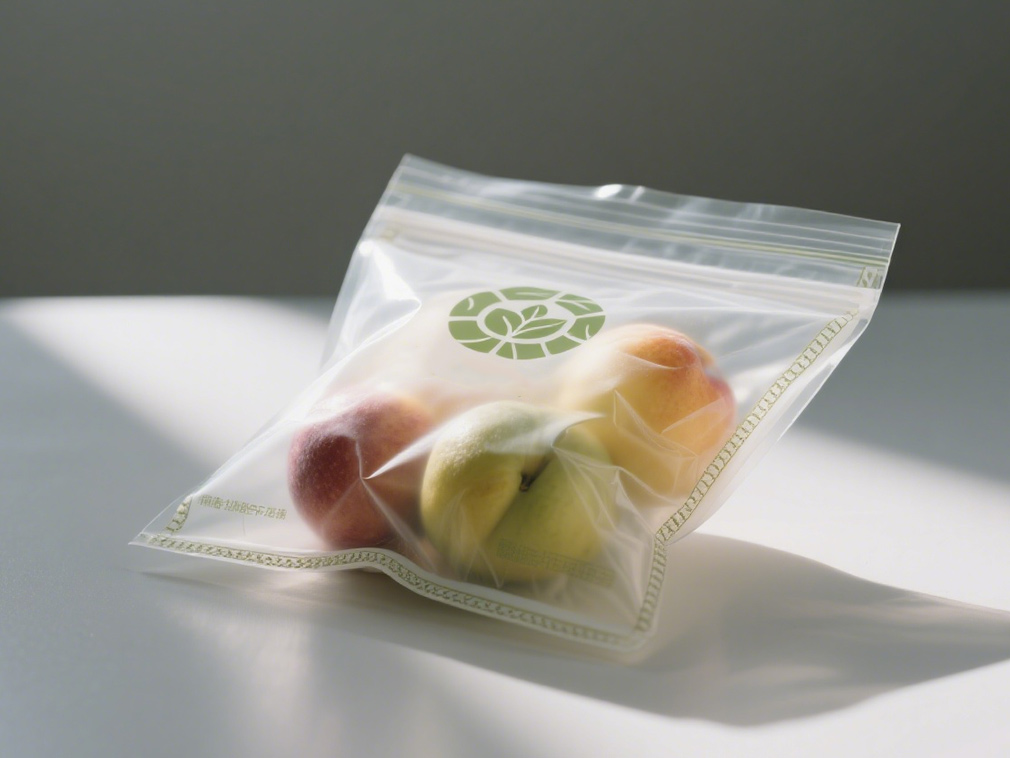
Bio-based PE is one of the most technologically mature and commercially available bio-based plastics. Unlike traditional fossil-based PE, the raw materials of bio-based PE come from renewable biomass resources such as sugarcane, corn, and cassava.
Its production process first converts the sugar in the biomass into ethanol through microbial fermentation, then generates ethylene monomer through dehydration reaction, and finally forms polyethylene resin through polymerization reaction. Take the "green PE" of Brazil's Braskem as an example.
It uses sugarcane ethanol as raw material. Every ton of bio-based PE produced can reduce 2.1 tons of carbon dioxide emissions, which is equivalent to the carbon fixation of planting 3 trees.
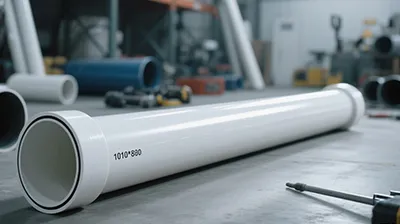
In terms of performance, bio-based PE is almost exactly the same as traditional PE. It has excellent flexibility, chemical resistance and processability. It can be made into films, packaging bags, agricultural films, pipes and other products through conventional processes such as blow molding, injection molding, and extrusion. In the packaging field, bio-based PE films have been used in food packaging, express bags and other scenarios.
They can not only meet the functional requirements of sealing and moisture-proof, but also reduce dependence on fossil resources through raw material innovation; in the agricultural field, bio-based PE agricultural films can reduce the pollution of residual films in the field and achieve recycling with appropriate recycling systems.
Bio-based PET is another type of bio-based traditional plastic with broad commercial prospects. Traditional PET is polymerized by terephthalic acid (PTA) and ethylene glycol (EG), of which ethylene glycol accounts for about 30% of the total raw materials. Bio-based PET is partially or completely bio-based by replacing ethylene glycol with biomass-derived raw materials.
The current mainstream technology uses biomass such as sugarcane and corn as the starting point, generates ethanol through fermentation, and then converts it into bio-based ethylene glycol through oxidation, hydrogenation and other processes, and polymerizes with traditional PTA to form bio-based PET.
This "partially bio-based" PET is almost the same as traditional PET in performance, maintaining excellent mechanical strength, transparency and chemical resistance, so it can be directly compatible with existing PET production equipment and recycling systems.
In the field of beverage packaging, companies such as Coca-Cola and Danone have launched PET beverage bottles containing 30% bio-based raw materials, which not only meet food contact safety standards, but also reduce carbon emissions by about 1/3; in the textile field, bio-based PET fibers are used to make clothing and home textile products. Not only does it feel the same as traditional polyester, but it can also increase the environmental added value of products through raw material traceability.
The core value of bio-based PE and PET lies in the "green carbon cycle". The carbon footprint of traditional fossil-based plastics runs through the entire life cycle: fossil raw material mining releases greenhouse gases, the processing process consumes a lot of energy, and incineration after disposal will emit carbon dioxide. The raw materials of bio-based plastics come from biomass fixed by photosynthesis, which absorbs carbon dioxide during its growth process.
The carbon emissions during the production process are reduced by 30%-80% compared with traditional processes, forming a virtuous cycle of "biomass absorbs carbon - materials store carbon - degradation/recycling after disposal", significantly reducing the negative impact of climate change.
Currently, bio-based PE and PET have entered the stage of large-scale development. The global bio-based PE production capacity is mainly concentrated in countries with rich agricultural resources such as Brazil and the United States, with an annual production capacity of more than one million tons; bio-based PET is rapidly expanding in Asia and Europe. Chinese companies have achieved the industrialization of bio-based ethylene glycol through technological breakthroughs, promoting the application of bio-based PET in packaging and textile fields.
However, this field still faces multiple challenges: in terms of raw material supply, biomass raw materials are greatly affected by climate and region, and large-scale supply requires the establishment of a stable agricultural planting and storage system; in terms of cost, the production process of bio-based monomers is complex, and the current price is still higher than that of fossil-based raw materials, relying on policy subsidies and technological innovation to reduce costs; in terms of recycling system, bio-based plastics have similar chemical structures to traditional plastics, and the "chemical recycling" technology needs to be improved to avoid mixing into the traditional recycling system and affecting the quality of recycled products.
It is worth noting that bio-based plastics ≠ degradable plastics. The bio-based properties of bio-based PE and PET are only reflected in the source of raw materials. Their chemical structure is consistent with traditional PE and PET. They are also difficult to degrade in the natural environment and need to enter the recycling system through mechanical recycling, chemical recycling and other methods.

This "property separation" requires consumers and the industry to clearly understand that the environmental value of bio-based plastics lies in reducing fossil dependence and carbon emissions, rather than solving the problem of plastic waste degradation, and needs to be promoted in coordination with the construction of garbage classification and recycling systems.
With the advancement of biotechnology and the increase in low-carbon policies, bio-based PE and PET are moving from "green concepts" to "industrial rigid needs".
In the future, through gene editing to optimize the yield of biomass raw materials, developing efficient catalytic technology to reduce conversion energy consumption, and building a "biomass planting - material production - recycling and regeneration" full industry chain collaborative model, bio-based traditional plastics will achieve large-scale replacement of fossil-based plastics in packaging, textiles, agriculture and other fields, injecting core power into the sustainable development of the global plastics industry.
Our platform connects hundreds of verified Chinese chemical suppliers with buyers worldwide, promoting transparent transactions, better business opportunities, and high-value partnerships. Whether you are looking for bulk commodities, specialty chemicals, or customized procurement services, TDD-Global is trustworthy to be your fist choice.