Properties of Titanium White
Titanium dioxide (TiO₂), a crucial inorganic chemical pigment, holds an irreplaceable position in numerous fields such as coatings, plastics, papermaking, cosmetics, and new energy due to its superior comprehensive performance.
Its application characteristics are rich and unique, encompassing both fundamental optical properties and key attributes like weather resistance and chemical stability. These characteristics collectively determine its application value in various scenarios.
Core Optical Properties: High Opacity and Excellent Whiteness Establish its Mainstream Status
From a core optical property perspective, high opacity and excellent whiteness are the most significant advantages of titanium dioxide and the core reasons for its status as a mainstream white pigment.
Titanium dioxide has the highest refractive index among all white pigments, reaching 2.71. This characteristic allows it to efficiently scatter and reflect light, thus achieving strong opacity over the substrate.
In the coatings industry, whether it's architectural exterior coatings or automotive original equipment paint, adding a small amount of titanium dioxide can cover the substrate's own color or imperfections, reducing paint usage while improving the coating's aesthetics.
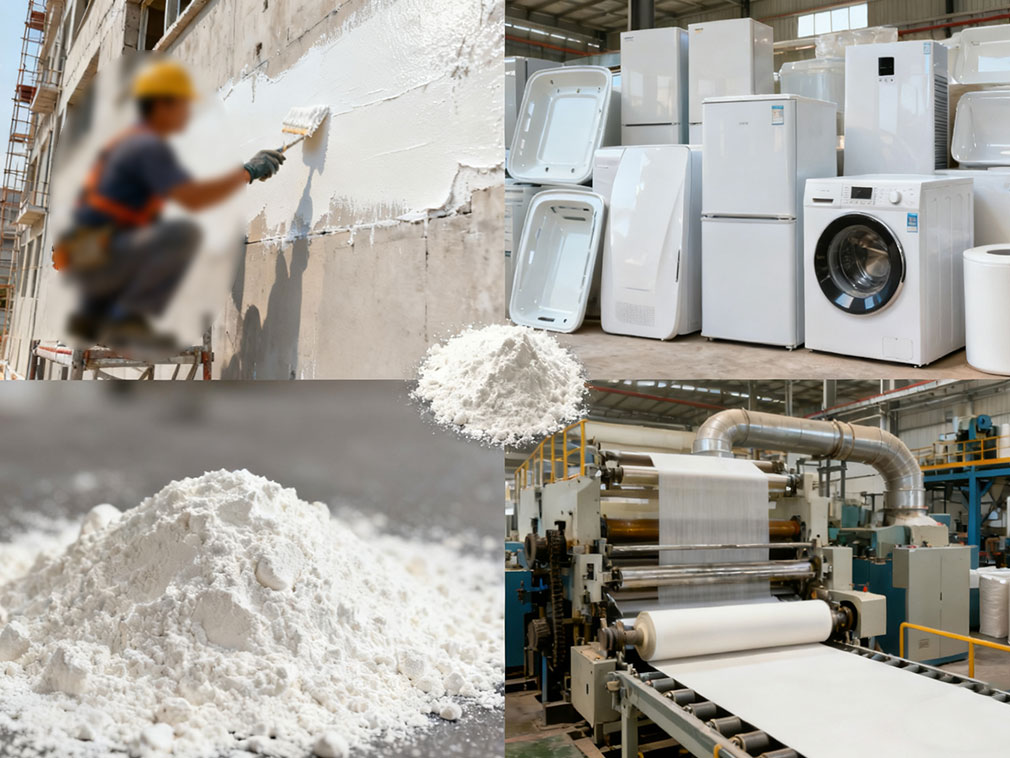
In plastics processing, titanium dioxide can solve the problems of high transparency or uneven color in plastics, producing pure white, uniformly colored plastic products, such as food packaging and appliance casings.
Furthermore, high-quality titanium dioxide can achieve a whiteness of over 95%, with a pure hue and no yellowing or graying. This meets the stringent requirements of high-end products for color purity, such as whitening high-grade paper and adding white powder to cosmetics, all relying on its excellent whiteness characteristics.
Environmental Adaptability: Weather Resistance and Chemical Stability for Complex Applications
Weather resistance and chemical stability are key characteristics that allow titanium dioxide to adapt to complex environmental applications, especially excelling in outdoor and industrial fields. Titanium dioxide itself has extremely strong chemical inertness, does not easily react with acids, alkalis, salts, etc., and will not decompose or change color due to changes in light or temperature.
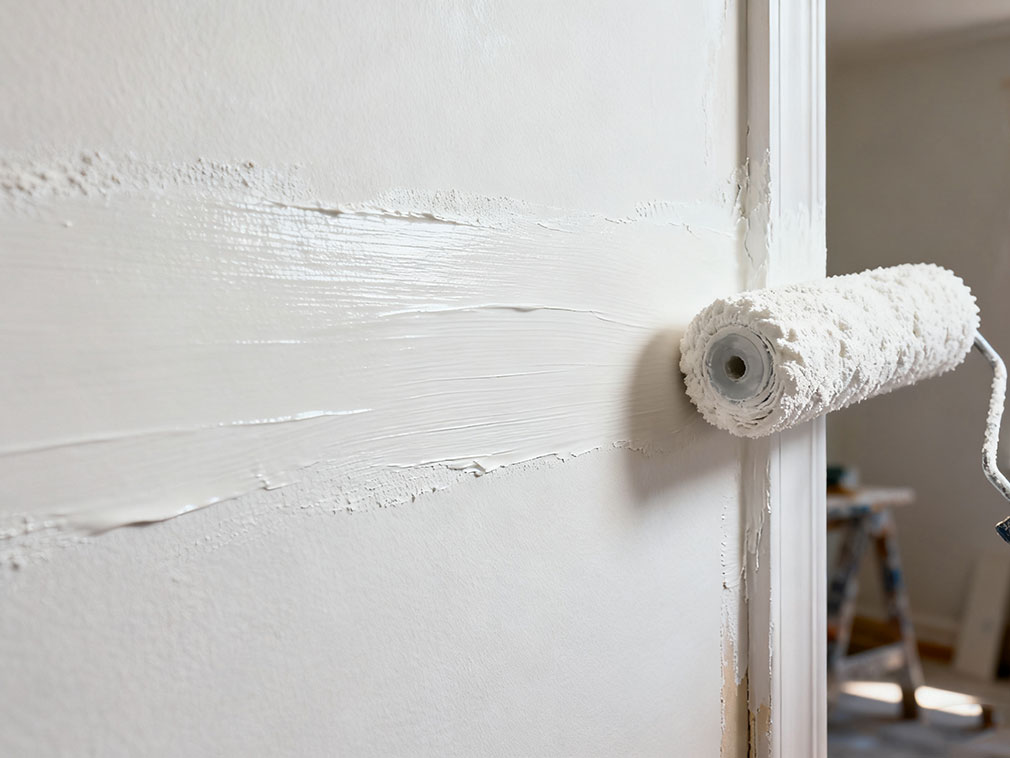
In architectural coatings, outdoor walls are constantly exposed to sunlight, rain, and ultraviolet radiation. Coatings with added titanium dioxide effectively resist the aging and damage caused by ultraviolet rays, preventing problems such as chalking, cracking, and fading, thus extending the lifespan of the wall. Some high-end titanium dioxide can even extend the weather resistance of coatings to over 15 years.
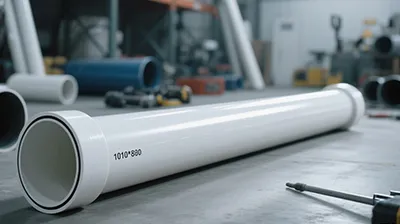
In outdoor plastic products, such as awnings and plastic pipes, the weather resistance of titanium dioxide prevents degradation of plastics due to ultraviolet radiation, maintaining the mechanical properties and appearance stability of the products. Furthermore, titanium dioxide remains stable at high temperatures, a characteristic that allows it to be used in ceramic glazes and high-temperature coatings without color changes or performance failures during firing or use.
Process Adaptability: Dispersibility Directly Affects Product Quality and Production Efficiency
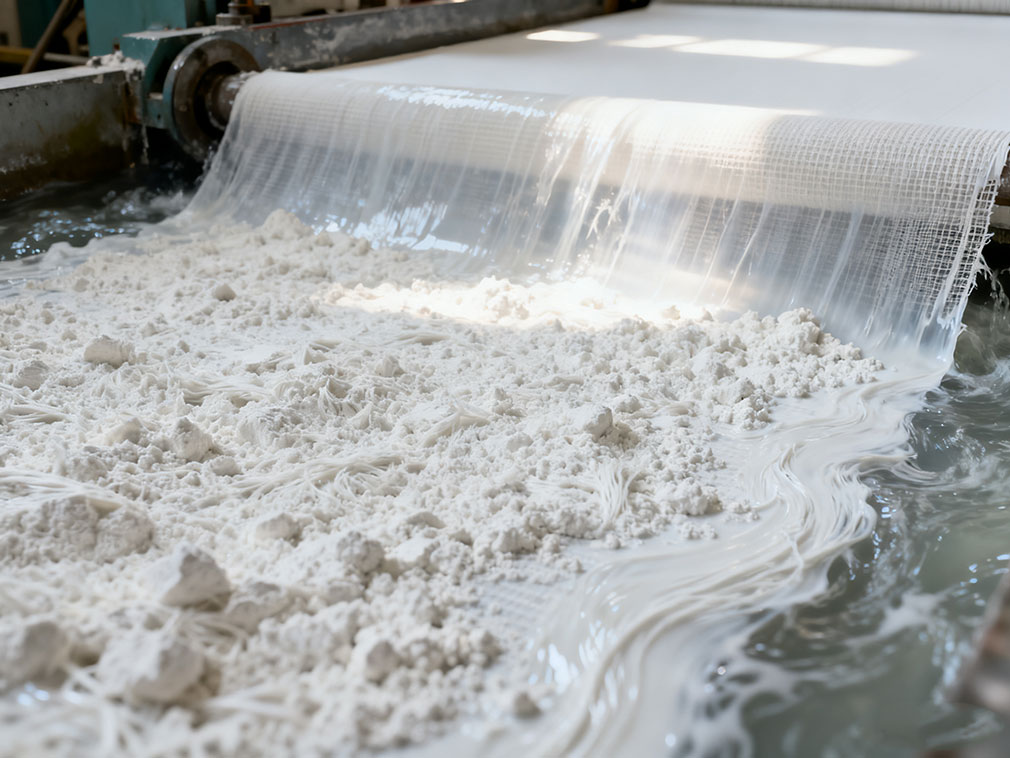
Dispersibility is an indispensable characteristic of titanium dioxide in practical applications, directly affecting its performance and product quality. If titanium dioxide particles are small and dispersibility is poor, agglomeration can easily occur, leading to spots and streaks in coatings and plastics, while also reducing hiding power and whiteness. High-quality titanium dioxide, through surface treatment technologies such as coating with silica or alumina, can significantly improve its dispersibility, enabling it to be uniformly dispersed in various matrices.
In coating production, good dispersibility reduces grinding time, lowers production costs, and ensures a smooth and even coating. In the paper industry, titanium dioxide needs to be uniformly dispersed in the pulp to achieve uniform whitening of the paper and avoid localized differences in whiteness. In the cosmetics field, such as foundation and loose powder, the dispersibility of titanium dioxide directly affects the skin feel and makeup effect; uniformly dispersed titanium dioxide makes makeup more adherent and natural.
Special Functional Properties: Antibacterial and Photocatalytic Properties Expand Functional Applications
In addition to the above main properties, titanium dioxide also possesses special properties such as antibacterial and photocatalytic properties, giving it broad prospects in the field of functional products. Under photocatalysis, titanium dioxide can decompose harmful gases and bacteria in the air, thus it is used in antibacterial coatings, air purification materials, such as hospital wall coatings and indoor air purifier filters.
Its antibacterial properties also allow it to be added to plastic and ceramic products to produce daily necessities with antibacterial functions, such as antibacterial plastic cutting boards and antibacterial ceramic toilets.
Furthermore, in the new energy field, titanium dioxide can be used as a cathode material additive in lithium batteries to improve battery cycle performance and capacity; this application also benefits from its stable chemical properties and unique crystal structure.
Our platform connects hundreds of verified Chinese chemical suppliers with buyers worldwide, promoting transparent transactions, better business opportunities, and high-value partnerships. Whether you are looking for bulk commodities, specialty chemicals, or customized procurement services, TDD-Global is trustworthy to be your fist choice.