PVC: Additives & Performance
The sophistication of the polyvinyl chloride (PVC) production process directly determines the product's performance and application range.
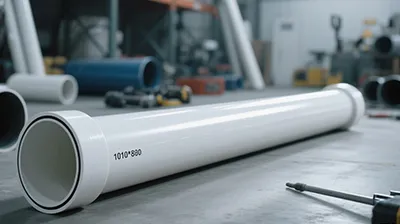
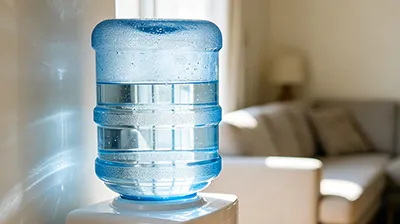
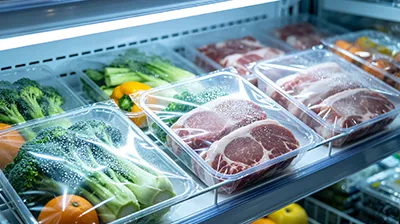
From the synthesis of vinyl chloride monomer (VCM) to the polymerization of PVC resin, and then to the precise formulation of various functional additives, each step involves complex chemical principles and engineering technologies, collectively supporting the widespread application of PVC in dozens of fields such as construction, pipes, packaging, and electronics.
I. Preparation of Vinyl Chloride Monomer (VCM): From Raw Material Reaction to High-Purity Purification
In the first step of PVC production—the preparation of vinyl chloride monomer (VCM)—the core reaction is the addition reaction of ethylene and chlorine under the action of a specific catalyst.
Industrially, this process is often referred to as the "ethylene oxychlorination process." This reaction is not a simple direct combination but requires a fluidized bed reactor at 280-350℃ catalyzed by a copper chloride-alumina catalyst.
Ethylene (C₂H₄) first undergoes an addition reaction with chlorine (Cl₂) to produce 1,2-dichloroethane (C₂H₄Cl₂). Subsequently, the 1,2-dichloroethane undergoes a dehydrochlorination reaction in a cracking furnace at 500-550℃, ultimately producing vinyl chloride monomer (C₂H₃Cl) and the byproduct hydrogen chloride (HCl).
The advantages of this process are high atom utilization and the ability to recycle the byproduct HCl for subsequent reactions, effectively reducing raw material loss and environmental impact. The generated vinyl chloride gas does not directly enter the polymerization stage; it undergoes purification steps such as water washing, alkali washing, drying, and distillation to increase its purity to over 99.99%.
This prevents impurities from affecting the stability of subsequent polymerization reactions, which could lead to quality defects in the PVC resin such as fish-eye spots and black spots.
II. Polymerization of PVC Resin: Differences in Mainstream Processes and Application Scenarios
The polymerization of vinyl chloride monomer is the key step in the formation of PVC resin. Essentially, it involves breaking the carbon-carbon double bonds in monomer molecules through the action of an initiator, causing numerous monomer molecules to interconnect and form a long-chain polymer.
Industrially, the commonly used polymerization methods are suspension polymerization, emulsion polymerization, and bulk polymerization. Among these, suspension polymerization accounts for over 80% of global PVC production capacity due to its mature technology, high product purity, and low production cost.
In suspension polymerization, vinyl chloride monomer is dispersed in deionized water into droplets with a diameter of 50-200 μm by a dispersant (such as polyvinyl alcohol). Then, a peroxide initiator (such as azobisisobutyronitrile) is added, and the reaction is stirred at a temperature of 50-60°C for 4-8 hours.
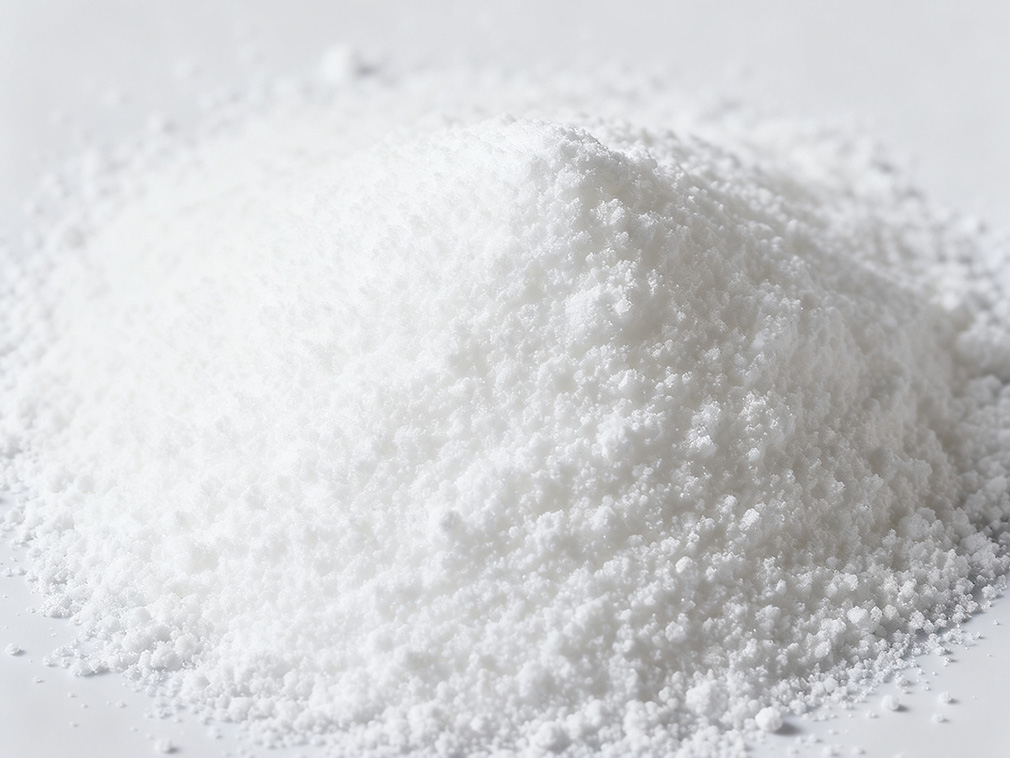
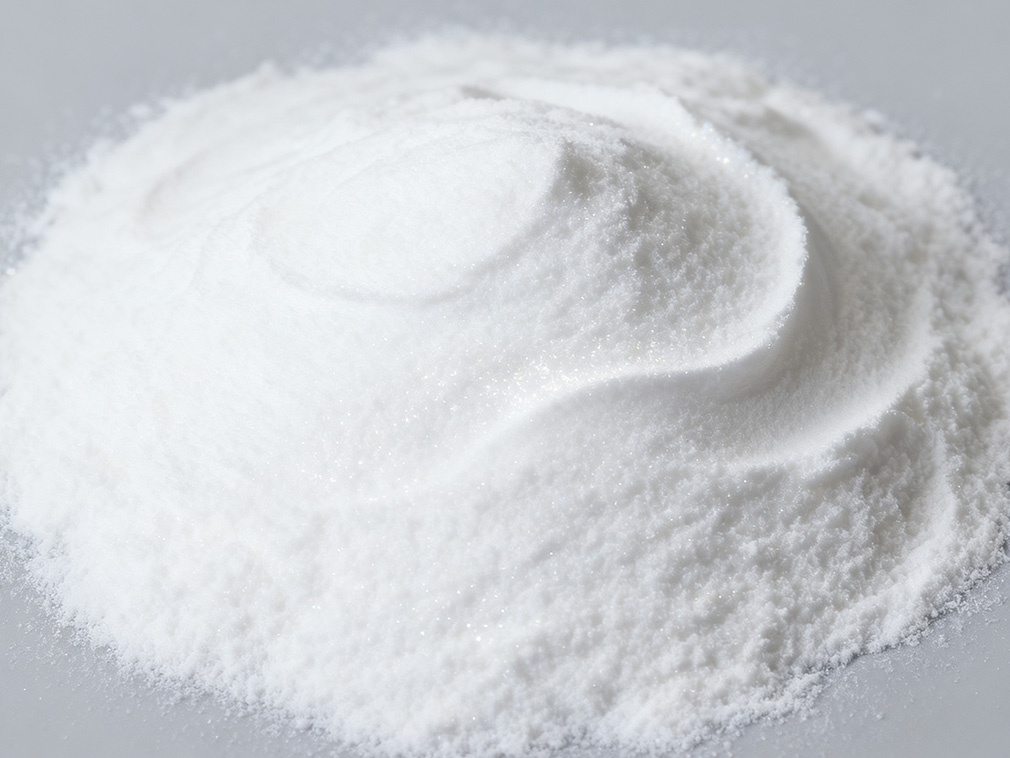
As the reaction proceeds, the monomer droplets gradually transform into loose PVC particles. After the reaction, unreacted monomers are removed, and the mixture is centrifuged, dehydrated, and dried to obtain a white powdery PVC resin.
Emulsion polymerization is mainly used to produce paste-like PVC resin, suitable for artificial leather, coatings, and other fields. Bulk polymerization produces products with extremely high purity and is mostly used in medical-grade PVC products, but its application range is relatively narrow due to concentrated exothermic reactions and difficult process control.
III. PVC Performance Optimization: Function and Dosage Control of Various Additives
Pure PVC resin has obvious performance defects due to its structural characteristics, such as high low-temperature brittleness, poor processing fluidity, and easy aging and degradation, which cannot directly meet the needs of practical applications.
Therefore, adding various functional additives to PVC formulations has become the core means of optimizing its performance. The type and dosage of different additives need to be precisely adjusted according to the specific application scenario.
(I) Plasticizers: The Core Component Determining the Hardness and Softness of PVC
Plasticizers are the key components determining the hardness and softness of PVC. Commonly used phthalate plasticizers (such as DOP and DBP) can weaken intermolecular forces by embedding between PVC molecular chains, transforming the resin from a hard and brittle state to a soft and elastic state.
When the amount of plasticizer added is 0-5 parts, rigid PVC (such as PVC pipes and profiles) can be prepared; when the amount added is 20-40 parts, flexible PVC (such as wire and cable insulation layers and PVC films) is formed; and when the amount added exceeds 50 parts, paste-like PVC can be obtained for coating artificial leather.
(II) Stabilizers: Inhibiting Degradation and Extending the Service Life of PVC
The role of stabilizers is to inhibit the thermal and photodegradation of PVC during processing and use. Because unstable chlorine atoms (such as allyl chloride) exist in the PVC molecular chain, dehydrochlorination reactions easily occur under high-temperature processing (160-200℃) or ultraviolet irradiation, leading to resin discoloration and a decrease in mechanical properties.
Therefore, lead salts (such as tribasic lead sulfate), metal soaps (such as calcium-zinc composite stabilizers), or organotin stabilizers need to be added to extend the service life of PVC products by capturing hydrogen chloride produced during degradation and replacing unstable chlorine atoms. Among them, calcium-zinc composite stabilizers, due to their environmental friendliness and non-toxicity, have gradually replaced traditional lead salt stabilizers and are widely used in food packaging, medical PVC products, and other fields.
(III) Other Functional Additives: Synergistic Optimization of Overall Performance
In addition, lubricants can be divided into internal lubricants (such as butyl stearate) and external lubricants (such as paraffin wax), used to improve the flowability of PVC melt and prevent resin from sticking to equipment surfaces during processing, respectively.
Fillers (such as calcium carbonate and talc) not only reduce production costs but also improve the rigidity, heat resistance, and dimensional stability of PVC products. The addition amount in PVC pipes, panels, and other products can reach 20-40 parts. Pigments (such as titanium dioxide and carbon black) are used to give PVC products rich colors to meet appearance requirements.
Flame retardants (such as antimony trioxide and magnesium hydroxide) can improve the flame retardant properties of PVC, enabling it to meet corresponding fire protection standards in fields such as wires and cables and building materials. These additives do not work in isolation, but rather work together to optimize the overall performance of PVC through synergistic effects.
For example, when calcium-zinc stabilizers are used in combination with auxiliary antioxidants, they can further improve the thermal stability of PVC; and when plasticizers and lubricants are properly combined, they can improve processing fluidity while ensuring the product's softness.
Our platform connects hundreds of verified Chinese chemical suppliers with buyers worldwide, promoting transparent transactions, better business opportunities, and high-value partnerships. Whether you are looking for bulk commodities, specialty chemicals, or customized procurement services, TDD-Global is trustworthy to be your fist choice.