
HMS PP: Multi-field Applications
High melt strength polypropylene (HMS PP), a special modified variety within the polypropylene family, overcomes the limitations of traditional polypropylene's low melt strength and poor ductility in the molten state thanks to its unique long-chain branched structure. This makes it a key material driving technological upgrades in multiple industries, including food packaging, automotive, and construction.
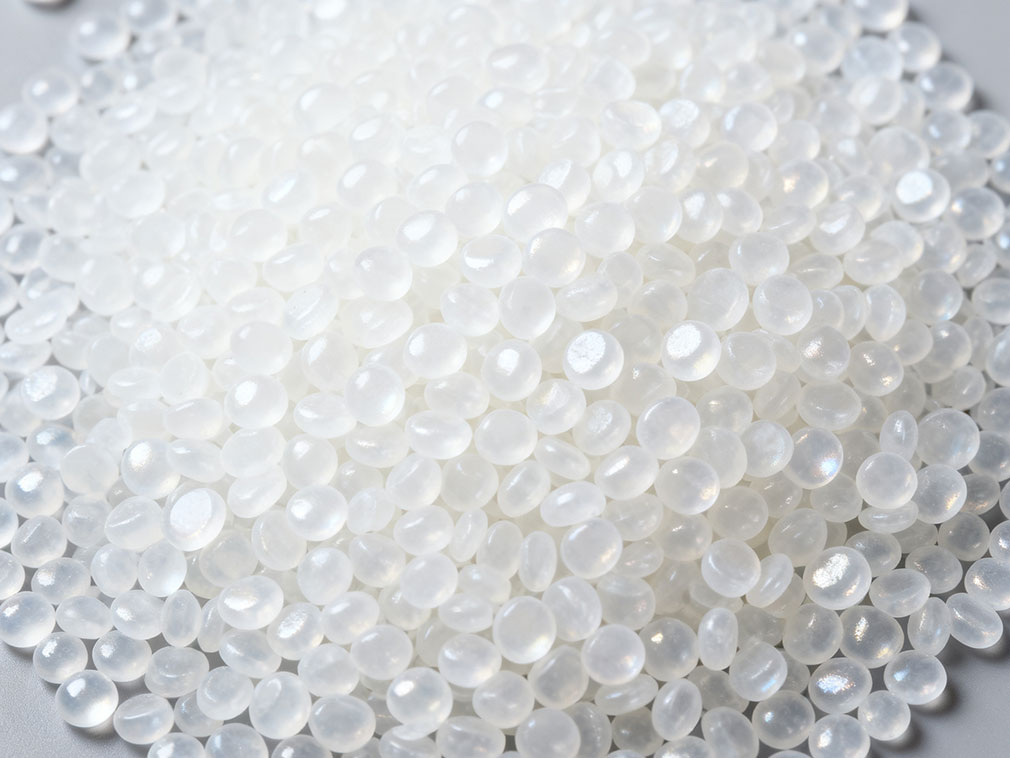
I. Unique Structure Endows Core Performance Advantages
The superior performance of HMS PP stems from its precisely designed long-chain branched molecular structure. Unlike traditional linear polypropylene, HMS PP introduces an appropriate amount of long branches into the main chain through special process control during polymerization.
This structural design acts like an "elastic network" for the molecular chains, preserving the excellent properties of polypropylene itself while endowing the material with outstanding melt strength and melt ductility.
From a molecular motion perspective, the presence of long branches effectively inhibits molecular chain slippage in the molten state, significantly improving the material's melt elasticity.
When HMS PP is in a molten state, its melt strength can reach 3-5 times that of traditional polypropylene. Even under high temperatures and tensile stress, it maintains a stable shape and is not prone to breakage or collapse.
This characteristic provides a crucial guarantee for subsequent processing techniques such as foam molding and thermoforming, solving the problem of controlling dimensional accuracy and product quality in complex molding processes using traditional polypropylene.
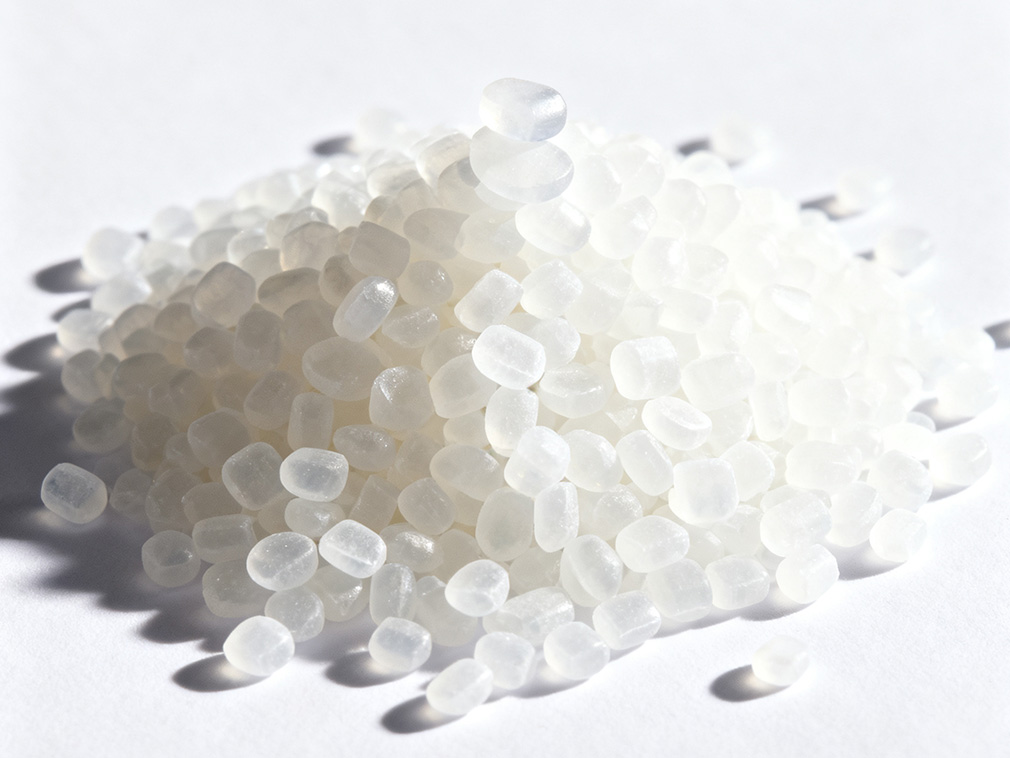
II. Diverse Properties Meet Multiple Application Needs
In addition to its core high melt strength characteristic, HMS PP also possesses a wide range of mechanical properties, high heat resistance, and good chemical resistance, making it adaptable to the harsh operating environments of various industries.
Regarding mechanical properties, the performance of HMS PP can be precisely controlled by adjusting the density and length of long branches, allowing for the production of both soft and elastic products and rigid structural components.
For example, in the field of flexible packaging, low-branch-density HMS PP offers excellent flexibility and impact resistance, effectively protecting the products inside. In automotive structural component applications, by optimizing the branched structure, HMS PP can achieve rigidity and flexural strength similar to traditional engineering plastics, while also being lighter.
High heat resistance is another major highlight of HMS PP. Due to the enhanced intermolecular interactions caused by its long-chain branched structure, the heat distortion temperature of HMS PP is 15-25°C higher than that of traditional polypropylene, with some grades reaching over 120°C.
This characteristic enables it to meet the high-temperature sterilization requirements of the food packaging industry. During sterilization with hot water or steam above 100°C, the packaging material will not deform or experience performance degradation.
Simultaneously, in high-temperature environments such as around automotive engines, parts made of HMS PP maintain stable mechanical properties, broadening the application range of polypropylene in high-temperature automotive components.
Good chemical resistance further expands the application scenarios of HMS PP. HMS PP exhibits excellent resistance to most acids, alkalis, salt solutions, and common organic solvents (such as ethanol and gasoline). Its appearance and mechanical properties remain largely unchanged upon contact with these chemicals.
This characteristic makes it a potential candidate for chemical corrosion protection and also ensures its safety and stability in food packaging when in contact with various foods (including acidic and oily foods), meeting stringent domestic and international safety standards for food contact materials.
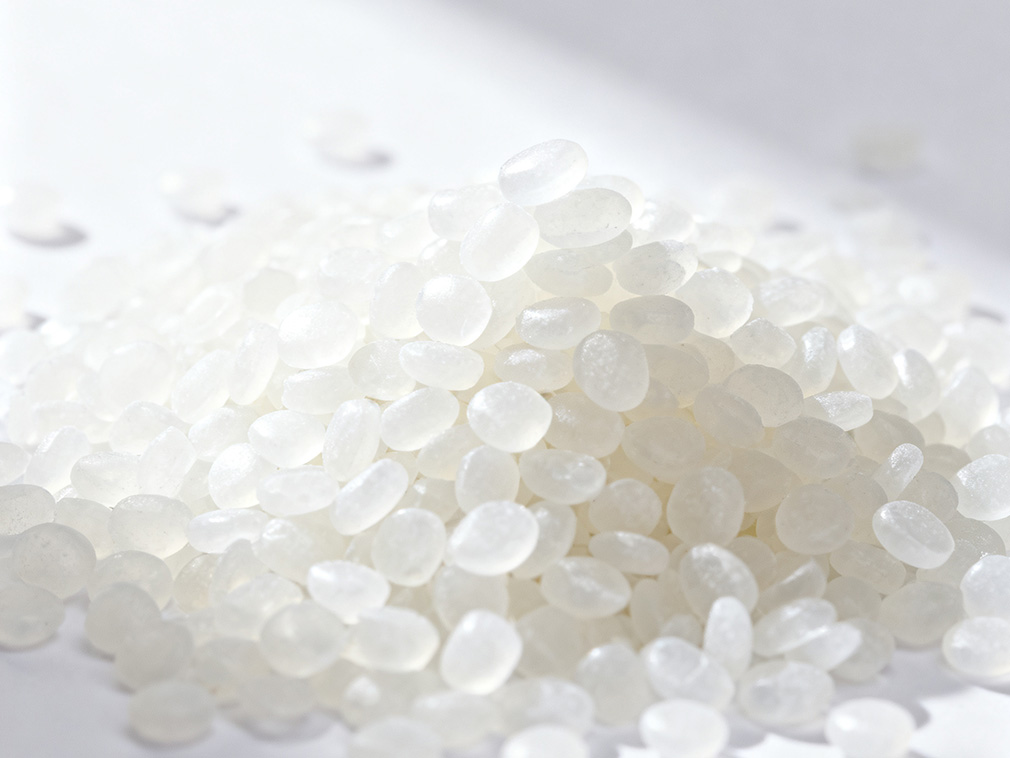
III. Multi-Field Applications Driving Industry Development
Due to its excellent comprehensive performance, HMS PP has been widely used in food packaging, automotive, and construction industries, providing strong support for product upgrades and technological innovation across these sectors. In the food packaging field, HMS PP is an ideal raw material for producing soft, low-density foam materials.
Foam packaging materials made from HMS PP feature low density (down to 0.03 g/cm³), excellent cushioning performance, and environmental recyclability.
In fresh food packaging, this foam material effectively absorbs impacts and vibrations during transportation, protecting fresh products from damage. Simultaneously, its excellent breathability regulates humidity and gaseous conditions within the packaging, extending the shelf life of fresh foods.
Furthermore, HMS PP foam material can also be used for packaging baked and frozen foods, maintaining stable performance under both high-temperature baking and low-temperature freezing conditions without releasing harmful substances, ensuring food safety.
In the automotive industry, the application of HMS PP is expanding from traditional interior components to structural and functional parts. In automotive interiors, HMS PP can be used to manufacture door panel trim, dashboard cushioning layers, and other components. Its soft properties enhance interior comfort, while its lightweight advantage helps reduce overall vehicle weight, achieving energy conservation and emission reduction.
In the automotive structural components sector, HMS PP, when combined with reinforcing materials such as glass fiber and carbon fiber, can be used to manufacture lightweight bumper frames, chassis guards, and other components.
Compared to traditional metal or engineering plastic components, the weight can be reduced by 20%-30%, while also exhibiting good impact resistance and aging resistance, contributing to improved fuel economy and driving safety.
In the construction industry, HMS PP applications are mainly concentrated in thermal insulation materials and waterproof membranes. Foam insulation materials made with HMS PP possess excellent thermal insulation performance and compressive strength, making them suitable for building exterior wall insulation, roof insulation, and other applications.
Compared to traditional polystyrene (EPS) insulation materials, HMS PP insulation materials offer better heat resistance and aging resistance. They are less prone to aging and cracking under prolonged exposure to sun and rain, extending their service life to over 20 years.
In addition, HMS PP can also be used to prepare high-performance waterproof membranes. Its good chemical resistance and weather resistance can ensure that the waterproof membranes maintain stable waterproof performance in complex building environments, effectively solving building leakage problems.
Our platform connects hundreds of verified Chinese chemical suppliers with buyers worldwide, promoting transparent transactions, better business opportunities, and high-value partnerships. Whether you are looking for bulk commodities, specialty chemicals, or customized procurement services, TDD-Global is trustworthy to be your fist choice.












