
PVC Applications Across Key Sectors
As one of the world's most widely produced general-purpose plastics, PVC (polyvinyl chloride) has penetrated numerous areas of industrial production and daily life thanks to its excellent comprehensive properties.
From piping systems in infrastructure construction to precision manufacturing for automobiles and medical devices, to key insulation components in the electrical and electronic industry, PVC, with its unique chemical stability, mechanical strength, and processing adaptability, has become a vital foundational material driving the development of various industries.
In the piping system sector, PVC pipes and fittings offer particularly outstanding advantages. Their superior corrosion resistance is a core competitive advantage. Compared to traditional metal pipes, which are susceptible to corrosion by acids and alkalis, and plastic pipes (such as PE) that lack temperature resistance, PVC pipes can withstand the corrosive substances in sewage, chemical wastewater, and soil for long periods of time.
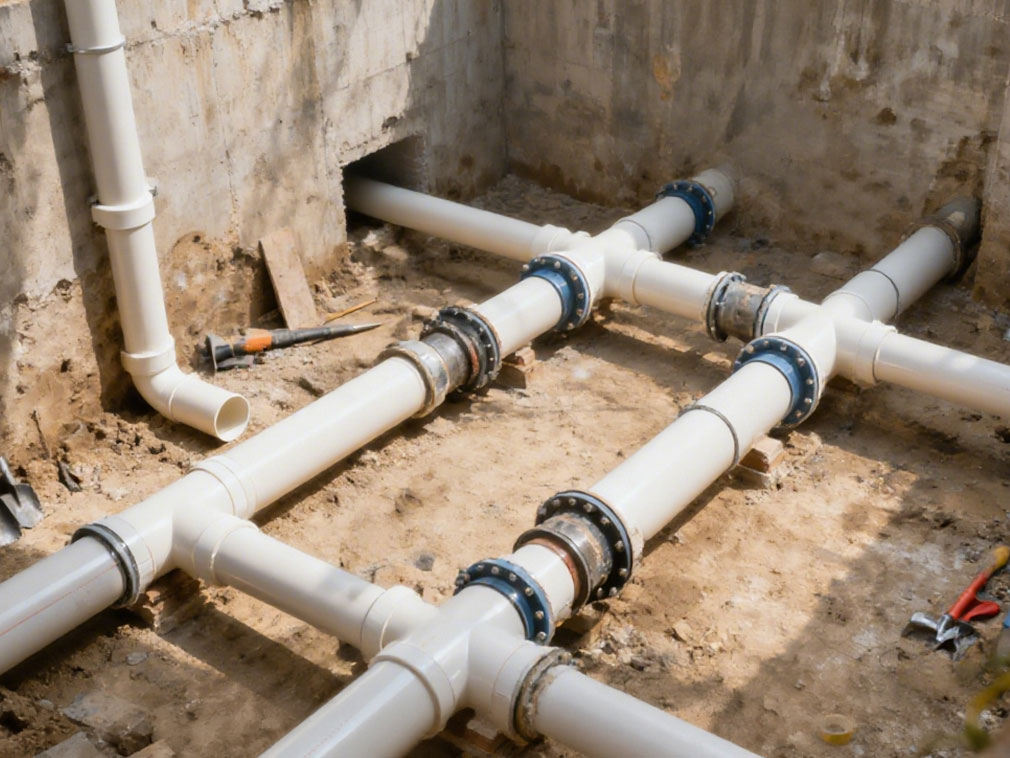
They can achieve a service life of over 50 years in applications such as municipal wastewater treatment, industrial fluid transportation, and building water supply and drainage.
PVC pipes also achieve a perfect balance of strength and toughness, achieving a tensile strength of over 50 MPa at room temperature and excellent impact resistance, making them resistant to cracking even in low-temperature environments.
PVC pipes also offer low processing costs, smooth interiors, and low water flow resistance, effectively reducing transportation energy consumption. They currently hold nearly 40% of the global plastic pipe market, making them a preferred piping material for municipal engineering and construction.
PVC pipes have evolved into various types for specific applications. For example, UPVC (rigid polyvinyl chloride) pipes are commonly used in water supply systems, while CPVC (chlorinated polyvinyl chloride) pipes, with their improved temperature resistance, can be used for hot water distribution and industrial high-temperature fluid transport, further expanding their application.
In the automotive industry, PVC, due to its lightweight and versatile properties, has become a key choice for automotive component manufacturing. With the automotive industry's growing demand for lightweighting and energy-saving features, PVC, with its density of only 1.38g/cm³ (much lower than metal), effectively reduces vehicle weight and helps reduce fuel consumption.
In automotive interiors, PVC is widely used in the manufacture of components such as instrument panels, door trims, and seat fabrics. Through modification, PVC can be given a soft touch, excellent wear resistance, and aging resistance. It can also be easily customized in a variety of colors and textures to meet the personalized needs of automotive interiors.

PVC also plays an important role in automotive exteriors. For example, automotive weather strips made of PVC effectively block dust, rain, and noise, improving the vehicle's sealing and comfort. PVC is also used in the manufacture of components such as fuel tanks and fuel lines. Through enhancement and modification, it can be given excellent oil resistance and impact resistance, ensuring the safe and stable operation of the vehicle's fuel system.
In the medical device field, the application of PVC materials is closely related to human health. Its excellent biocompatibility, sealing properties, and ease of processing make it a core raw material for a variety of medical devices.
In the field of blood storage and transportation, PVC blood bags are currently the most widely used blood storage containers in clinical practice. PVC material has excellent gas barrier properties, effectively preventing the permeation of oxygen and carbon dioxide within the blood bag, maintaining the activity of blood during storage. PVC blood bags are also soft and puncture-resistant, making them convenient for medical staff to perform blood collection and transfusion procedures.
In clinical treatment, PVC medical catheters (such as urinary catheters, gastric tubes, and endotracheal tubes) are indispensable medical devices. By adding plasticizers and stabilizers, PVC catheters are given the appropriate flexibility and hardness, allowing for easy insertion into human cavities while preventing damage to tissue caused by the rigid material. The smooth surface of PVC catheters also reduces bacterial adhesion and infection risk.
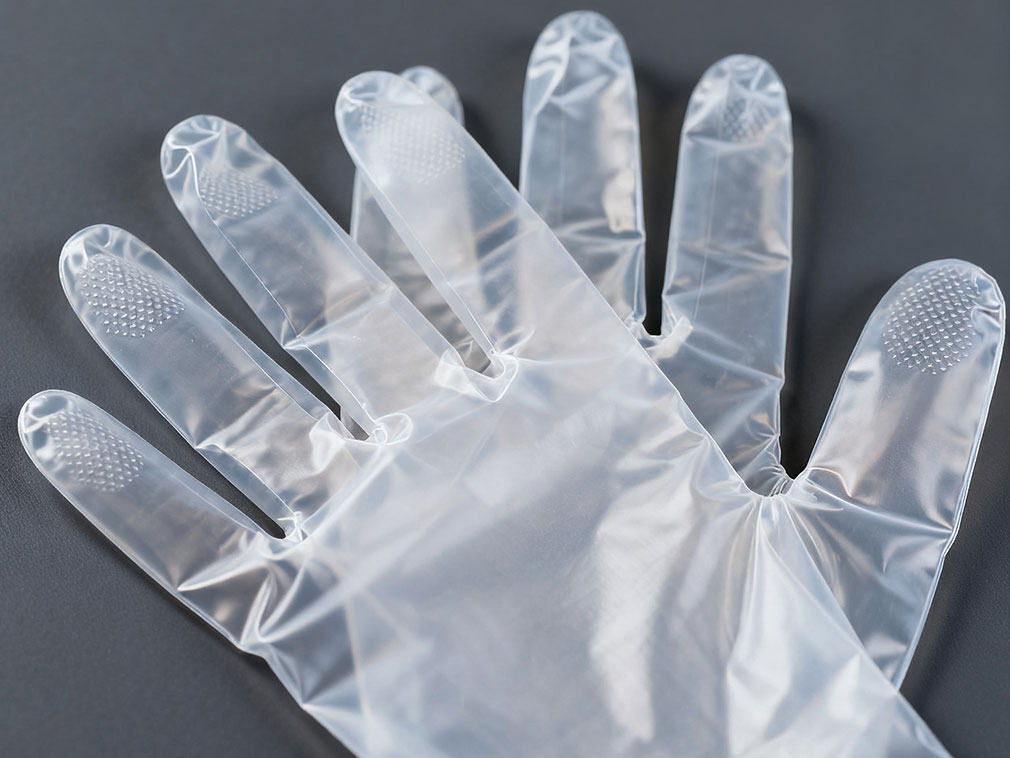
PVC is also used in the manufacture of medical devices such as intravenous infusion bags, medical gloves, and surgical gowns. For example, using PVC in intravenous infusion bags allows for clear visualization of the remaining amount and status of the drug solution within the bag. Its excellent chemical resistance makes it compatible with a variety of medications, ensuring safe infusion.
In the electrical and electronics industry, PVC is a core material for cable and wire insulation. Its excellent insulation properties, weather resistance, and flame retardancy provide crucial guarantees for the safe operation of electrical and electronic equipment.
When transmitting power and signals, cables and wires require insulation to effectively block current leakage and prevent short circuits. PVC boasts a volume resistivity of up to 10⁴-10⁶Ω·cm, significantly exceeding the insulation performance of most general-purpose plastics, effectively ensuring the insulation effectiveness of cables and wires.
Furthermore, during the operation of electrical and electronic equipment, the insulation layer is susceptible to environmental factors such as temperature, humidity, and ultraviolet light. However, by adding modifiers such as antioxidants and UV absorbers, PVC can achieve excellent weather resistance and aging resistance, maintaining stable performance even in harsh outdoor environments.
Furthermore, the electronics and electrical industry places extremely high demands on flame retardancy. By adding flame retardants, PVC can achieve the UL94 V-0 flame retardancy standard. This allows it to quickly self-extinguish when exposed to open flames, preventing the spread of flames and reducing the risk of fire accidents.
In addition to cable and wire insulation, PVC is also used in the manufacture of components such as housings, junction boxes, and cable trunking for electronic and electrical equipment. Through enhancement and flame retardant modification, PVC can be given excellent mechanical strength and safety performance to meet the diverse needs of electronic and electrical equipment.
Our platform connects hundreds of verified Chinese chemical suppliers with buyers worldwide, promoting transparent transactions, better business opportunities, and high-value partnerships. Whether you are looking for bulk commodities, specialty chemicals, or customized procurement services, TDD-Global is trustworthy to be your fist choice.












