
PVC Caps, Plugs: Protective Small Parts
When you watch a car smoothly drive over an overpass or use a charger to recharge your phone, you rarely notice the "small parts" hidden deep within the equipment—the shielding caps and plugs. Yet, it's these seemingly insignificant components that silently safeguard the precision of industrial production and the safety of daily life.
A reliable "shield" against "harsh environments"
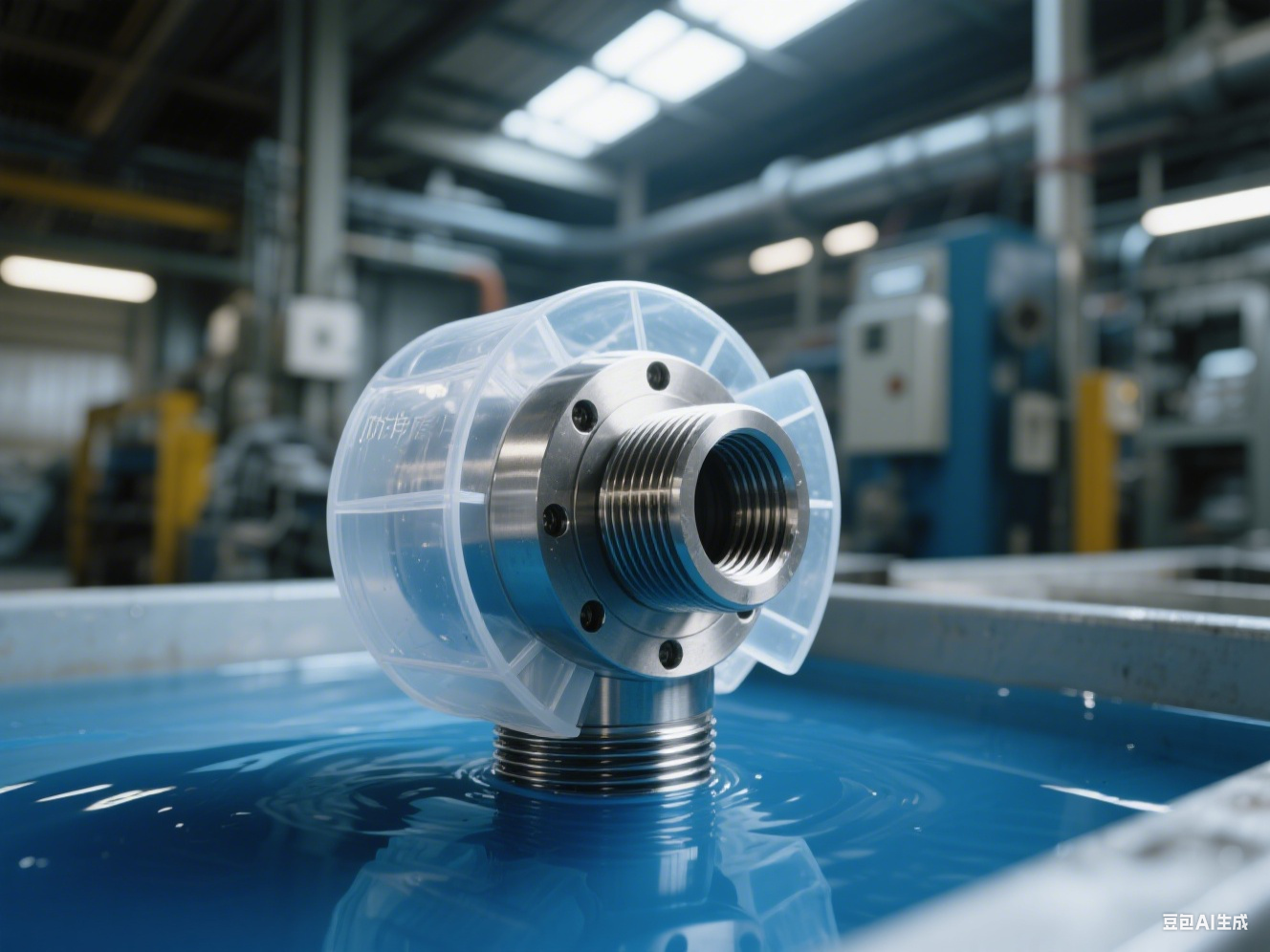
In the electroplating workshops of automotive factories, the pungent odors of acidic and alkaline solutions permeate the air. When workpieces are immersed in the electrolyte, critical areas like threaded holes and joints must be protected from corrosion. This is where PVC shielding caps come in handy.
They act like protective clothing for the workpiece, holding its ground despite the "attack" of external chemical reagents. This is due to the "stable structure" of chlorine atoms in PVC's molecular structure, which makes it difficult for most chemical reagents to penetrate and decompose it. Not only that, even in the scorching summer heat of car engine compartments, where temperatures often soar above 60°C, PVC plugs on wiring harnesses remain rock-solid.
Even in winter, when temperatures drop below -10°C, plugs on outdoor equipment resist becoming brittle and cracking. From -15°C to 70°C, PVC maintains its stability, resisting deformation and cracking. This eliminates the worry of material failure in high-precision automotive component plating and electronic component welding, and protects home outlets and office printer plugs from the safety hazards of high-temperature aging.
Flexibly adaptable to various scenarios, it's a highly effective "Transformer."
If chemical and high-temperature resistance are PVC's "hard strengths," then its flexibility and elasticity are its "soft strengths." Compared to rigid plastics, PVC possesses a kind of "elastic magic"—by adjusting the plasticizer content, it can transform from a soft, pliable material to a slightly firm one.
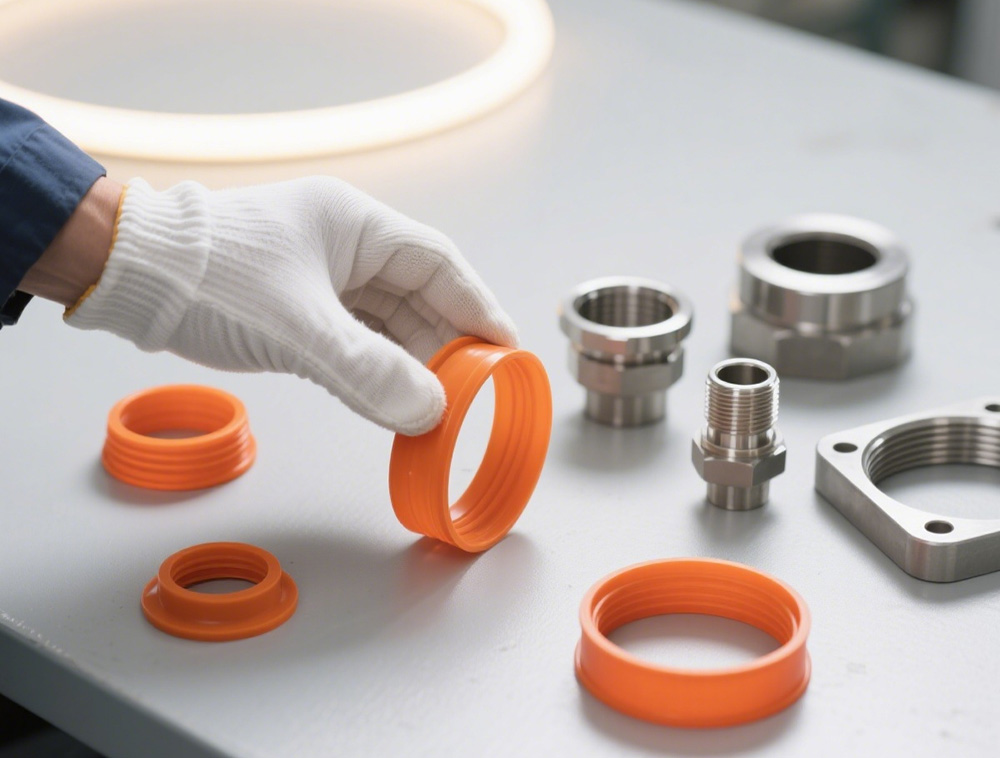
Whether it's a curved joint or an irregular bolt, it can "hold" tightly, leaving no gaps. The easy-pull shield cap has become popular thanks to this "magic trick." Previously, workers were either unable to fit shield caps on workpieces because they were too stiff, or difficult to remove once they were in place, sometimes even scratching the workpiece.
But easy-pull shield caps made of PVC are different: they fit snugly to various connector sizes with a simple pull; and when removed, they snap off with a simple tug thanks to the PVC's elastic properties. This simple improvement has significantly improved worker efficiency on automotive assembly lines and in electronic equipment production workshops, while also reducing losses caused by difficult removal.
The "safety guard" in plugs can also be customized to your needs. PVC not only makes shield caps more practical, but it's also indispensable in the plug industry. The outer shells and inner insulation layers of many of the mobile phone chargers and computer power plugs we use are made of PVC.
Its high electrical resistance prevents current from escaping, effectively preventing electric shock. It's also resistant to aging. Even after prolonged exposure to air, heat, humidity, and UV rays, it resists cracking, extending the life of the plug. Even more convenient, PVC can be customized to your needs.
Want a compact mobile phone charger plug? Use injection molding to create a delicate casing. Want an impact-resistant plug for industrial machine tools? Mix it with rubber or ABS plastic for enhanced toughness. Want an outdoor plug that's rainy and slippery? A PVC casing with added rubber protects against rain and provides a more secure grip, eliminating the worry of dropping and breaking it.
From the workshop to everyday life, its capabilities are constantly evolving.
Today, PVC caps and plugs have found their way into even more applications: They protect oil channel connections during automotive engine block machining; miniaturized caps protect pins from solder contamination during electronic chip production; and they protect pipe joints and electrical junction boxes in buildings from moisture.
And its capabilities are constantly improving. To meet the demands of high-voltage systems in new energy vehicles, researchers have used modification technology to enable polyvinyl chloride (PVC) to withstand temperatures exceeding 120°C and high pressure. To further enhance environmental protection, lead-free, low-VOC PVC is also being used in shielding caps and plugs, minimizing environmental impact. Some are even developing "smart plugs" that incorporate temperature sensors and overload protection into the PVC casing to monitor the plug's status in real time, ensuring safer electricity use.
Small parts with big impacts: a promising future
Despite their insignificant appearance, PVC's chemical resistance, high-temperature resistance, flexibility, and insulation properties allow these small parts to play a significant role, becoming "invisible helpers" in industrial production and everyday life.
Our platform connects hundreds of verified Chinese chemical suppliers with buyers worldwide, promoting transparent transactions, better business opportunities, and high-value partnerships. Whether you are looking for bulk commodities, specialty chemicals, or customized procurement services, TDD-Global is trustworthy to be your fist choice.












