
PLA vs. PET: Key Differences
The difference between polylactic acid (PLA) and PET is essentially the difference between "biodegradable" and "fossil-based, non-degradable" materials. Each has its own advantages and disadvantages: PLA has advantages in resource sustainability and ultimate degradability, but has shortcomings in performance and cost; PET is more competitive in performance, processability, and cost, but lacks environmental protection.
PLA biodegradability: Under specific conditions (temperature 55-70°C, humidity above 85%, and the presence of microorganisms), PLA's molecular chains are broken down by enzymes secreted by microorganisms into lactic acid, which then decomposes into carbon dioxide and water, ultimately returning to the natural environment.
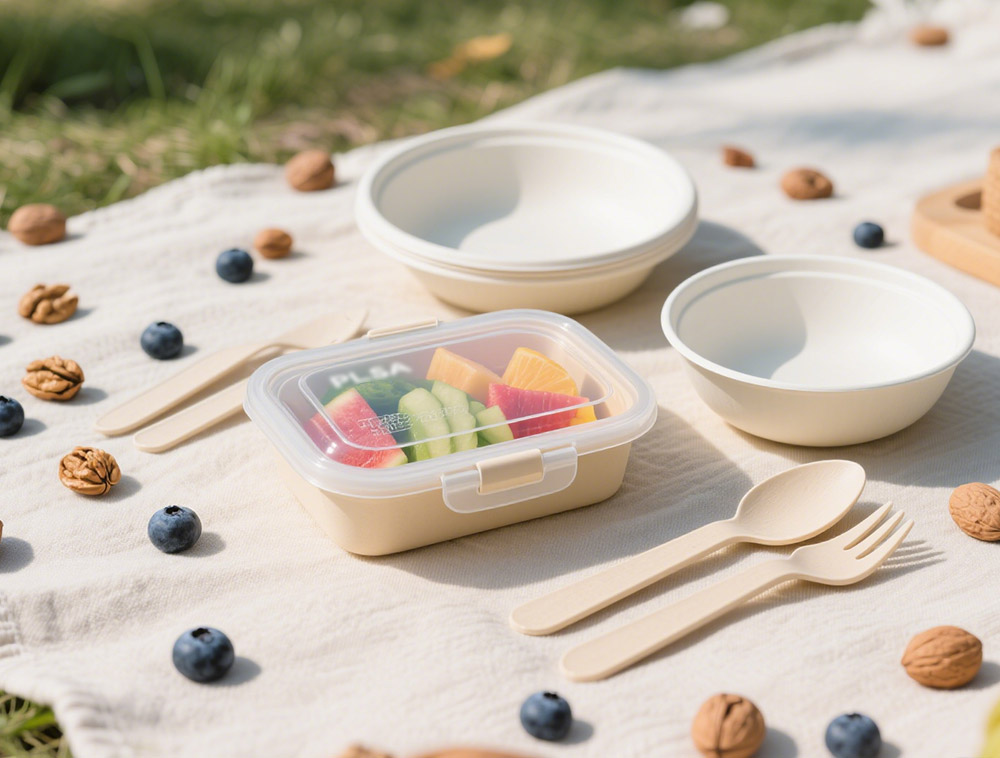
However, it should be noted that PLA degradation relies on "industrial composting conditions." In natural environments at normal temperature and pressure (such as household trash cans and soil), the degradation cycle can take several years or even longer and may release microplastics. Only in the high-temperature, high-humidity environment of a professional composting plant can it be completely degraded within 6-12 months.
PET's difficulty in degradation: PET's molecular chain structure is stable and contains no groups susceptible to microbial degradation. Its degradation cycle in the natural environment is as long as 200-400 years. During degradation, it only fragments into microplastics and cannot be completely decomposed into inorganic substances, which can easily cause soil and marine pollution (e.g., ingestion of microplastics by marine organisms).
Currently, environmentally friendly solutions for PET rely primarily on recycling and regeneration, either through physical recycling (crushing, cleaning, and re-pelletization) or chemical recycling (depolymerization into monomers and then synthesis). However, recycling costs are high, and the global PET recycling rate is only approximately 30%. The majority of PET is still disposed of in landfills or incineration, which can release harmful gases.
PLA's core application scenarios focus on "disposable, short-term use" products that require environmentally friendly degradation, such as disposable tableware (lunch boxes, spoons), food packaging films (plastic wrap, takeout packaging), agricultural mulch films (degradable mulch films to prevent soil residue), and medical materials (surgical sutures and drug delivery devices that can be degraded in the body without removal). However, due to its limited toughness and thermal stability, PLA cannot currently replace PET in durable products or high-temperature applications.
PET's core applications cover areas requir
ing long-term use, impact resistance, and heat resistance, or recyclability, such as beverage bottles (e.g., cola bottles, mineral water bottles), food containers (e.g., oil drums, sauce bottles), textile fibers (polyester fabrics made from PET), electronic and electrical housings (e.g., mobile phone charger housings), and automotive parts (e.g., interior trim).
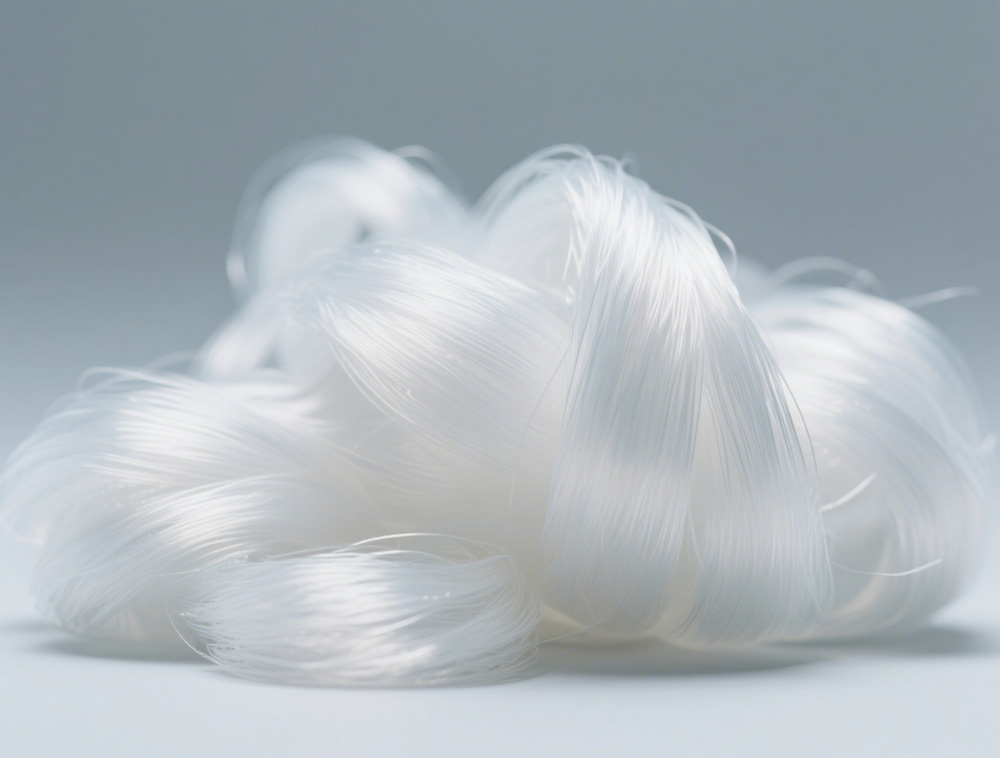
In addition, PET film is widely used in food packaging (e.g., potato chip bags) and photovoltaic backsheets. These applications require high toughness and thermal stability, making PLA difficult to adapt.
Cost is a significant factor influencing the market share of both. Currently, the production cost of PLA is approximately 15,000-20,000 yuan per ton, while the production cost of PET is only approximately 8,000-12,000 yuan per ton. PLA is 50%-100% more expensive than PET, and the addition of additives during processing further increases costs.
Therefore, in large-scale application scenarios that are cost-sensitive (such as beverage bottles and textile fibers), PET still occupies an absolute dominant position; while in scenarios where environmental protection needs are prioritized and cost sensitivity is low (such as high-end takeout packaging and medical materials), PLA's market share is gradually expanding.
Our platform connects hundreds of verified Chinese chemical suppliers with buyers worldwide, promoting transparent transactions, better business opportunities, and high-value partnerships. Whether you are looking for bulk commodities, specialty chemicals, or customized procurement services, TDD-Global is trustworthy to be your fist choice.












