
PVC Chemical Resistance: Molecular Structure & Industrial Applications
Polyvinyl chloride (PVC) is a widely used general-purpose synthetic resin, one of its core advantages being its excellent chemical resistance—it can withstand a variety of chemicals and alkaline substances, and is unaffected by common corrosive substances. This characteristic stems from its molecular structure and polymerization process, making it durable in harsh chemical environments and an ideal material for corrosive scenarios.
From a molecular structure perspective, PVC's chemical resistance originates from the synergistic effect of a stable molecular backbone and polar functional groups. Its molecular chain consists of repeating -CH₂-CHCl- units, with the main chain being saturated carbon-carbon single bonds. These bonds have high energy and strong stability, making them difficult to be destroyed by chemicals.
The chlorine atoms in the molecular chain, due to their strong electronegativity, make the molecule polar, which enhances intermolecular forces and reduces the penetration of polar solvents. Furthermore, the tightly aggregated structure formed during polymerization further hinders the diffusion of chemical molecules, solidifying its corrosion resistance.
Based on these molecular structural advantages, PVC exhibits specific resistance to different chemicals, particularly excelling in its resistance to alkaline substances, most non-oxidizing acids, and salt solutions. Whether in strong alkalis like sodium hydroxide or weak alkalis like sodium carbonate, PVC remains stable, showing no significant changes in appearance, size, or mechanical properties even after prolonged immersion.
This contrasts sharply with the tendency of metal materials to undergo hydrogen embrittlement and corrosion in alkaline environments. For example, in industrial alkaline wastewater transportation scenarios, metal pipes require frequent replacement, while PVC pipes can operate stably for extended periods, significantly reducing maintenance costs.
PVC exhibits excellent resistance to non-oxidizing acids such as hydrochloric acid and dilute sulfuric acid, showing little reaction or osmotic damage, making it suitable for manufacturing equipment for storing and transporting these acids.
However, it's important to note its weaker resistance to strong oxidizing acids like concentrated nitric acid and concentrated sulfuric acid; it is easily oxidized, aged, and embrittled under high temperatures and concentrations, limiting its application scope.
Furthermore, PVC demonstrates good resistance to most salt solutions (such as sodium chloride and potassium chloride), making it widely applicable in chemical and metallurgical applications involving salt solution handling.
PVC exhibits a certain degree of resistance to most organic solvents, and can stably withstand aliphatic hydrocarbons (such as gasoline) and alcohols (such as ethanol) at room temperature. Therefore, it is widely used in industries such as petrochemicals and automotive manufacturing, for example, in the production of fuel liners and anti-corrosion linings for storage tanks.
However, it is important to note that it is prone to swelling or dissolving in highly polar organic solvents such as benzene and dichloromethane; its use in such environments should be avoided, and the specific type of chemical should be considered when selecting PVC.
PVC's chemical corrosion resistance not only makes it durable but also translates into significant economic and practical value, leading to its widespread application in various fields. In the industrial sector, chemical equipment exposed to corrosive substances for extended periods is prone to wear and tear.
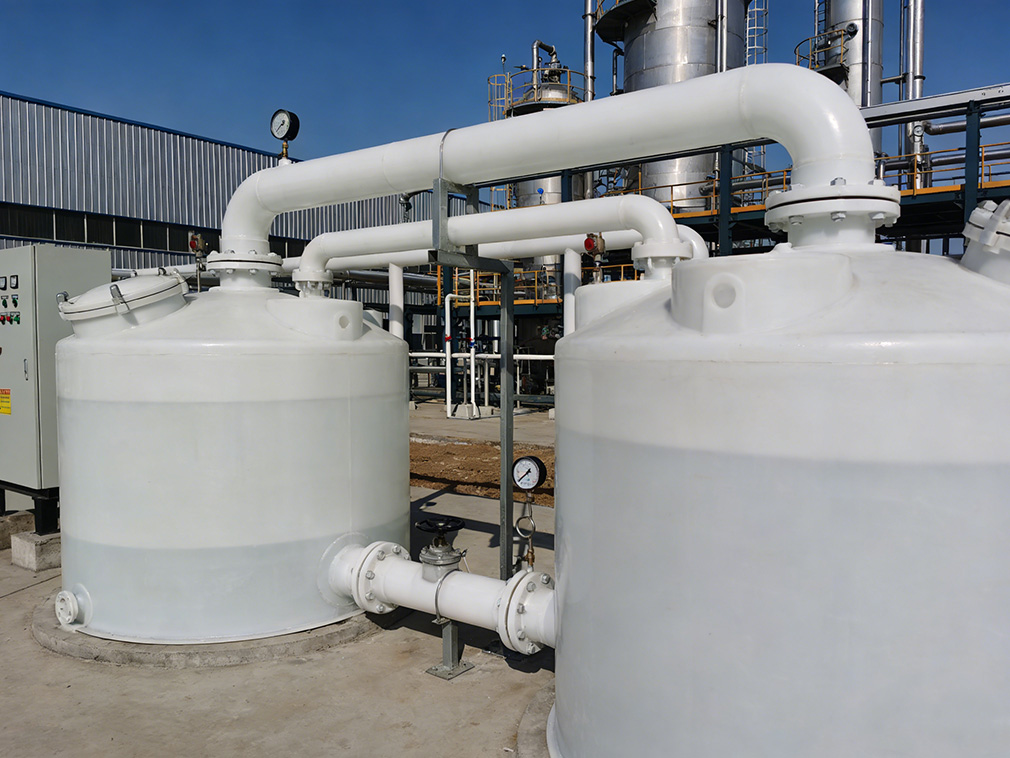
Equipment made of or lined with PVC can effectively resist corrosion, reducing downtime, maintenance, and material leaks, and significantly extending its service life. For example, in fertilizer production, PVC pipes used to transport acidic and alkaline media can have a lifespan 3-5 times longer than metal pipes, while also reducing safety and environmental risks.
Beyond industrial applications, PVC's corrosion resistance also plays a crucial role in municipal and public service sectors. In urban wastewater treatment systems, where sewage is complex and highly corrosive, PVC pipes are the preferred choice due to their superior corrosion resistance, excellent hydraulic performance, and ease of installation.
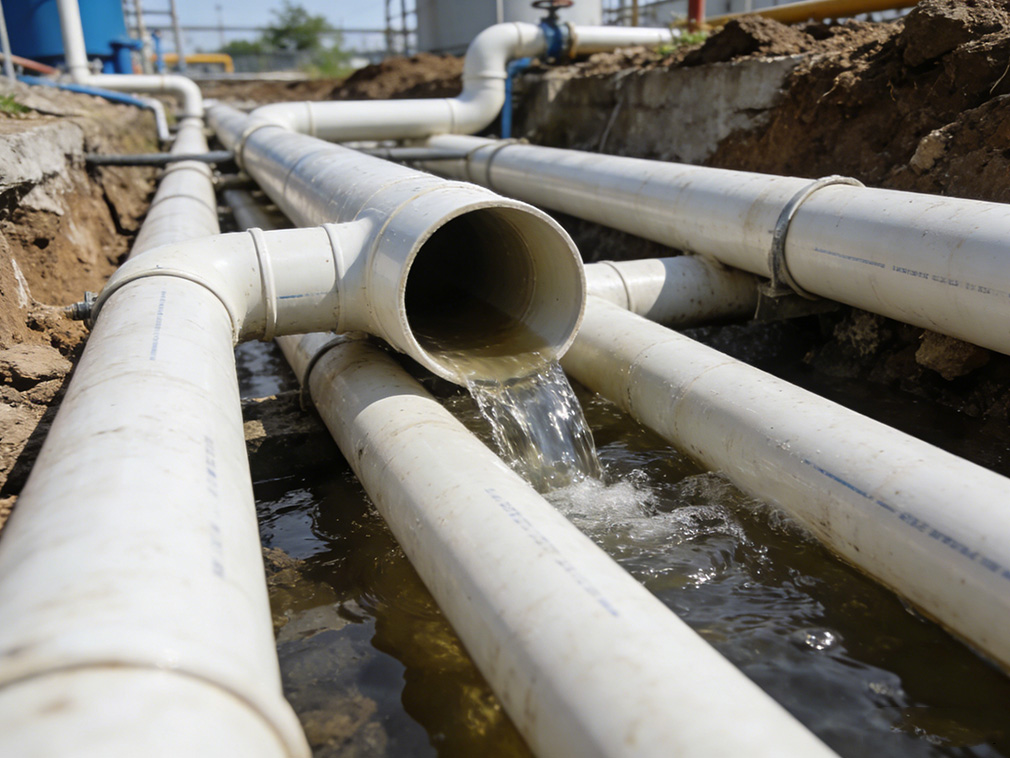
They can reliably transport various types of sewage, preventing leakage and groundwater contamination. In the construction industry, PVC waterproof membranes and anti-corrosion coatings are used in roofs, basements, and other easily corroded areas. Their corrosion resistance and aging resistance enhance the waterproofing and corrosion protection of buildings, extending their lifespan.
Furthermore, the agricultural and medical fields fully utilize PVC's corrosion resistance. In agricultural production, pesticides and fertilizers are often corrosive. PVC pesticide storage tanks and fertilizer packaging bags effectively resist corrosion, preventing environmental pollution and crop damage caused by material leaks. In the medical field, many medical devices come into contact with disinfectants, pharmaceuticals, and other chemicals. PVC infusion tubing sheaths, sterilization containers, and other accessories, with their corrosion resistance and biocompatibility, ensure the safety of medical device use.
It is worth mentioning that compared to other corrosion-resistant materials such as stainless steel and fluoroplastics, PVC also offers the advantages of low cost and easy processing. Stainless steel is expensive and difficult to process, while fluoroplastics are costly, making them difficult to widely adopt in general corrosion protection applications.
In contrast, PVC has a wide availability of raw materials, mature polymerization technology, and lower costs. It can also be processed into various products through extrusion, injection molding, and other methods to suit different applications.
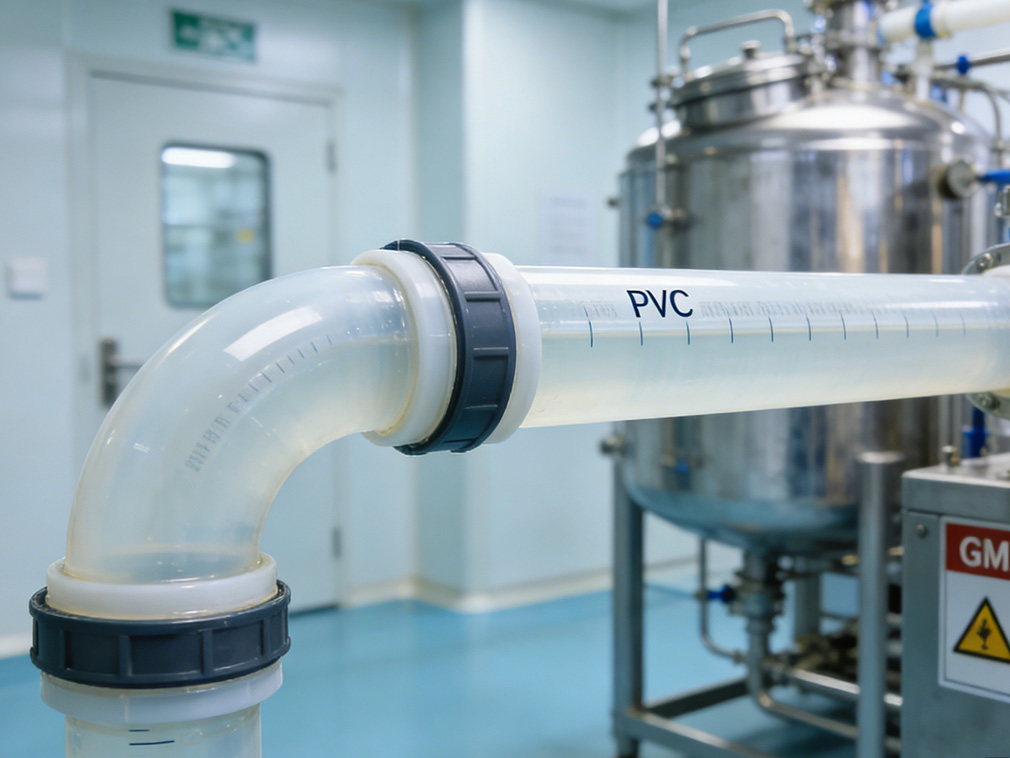
This combination of "high performance + low cost + easy processing" makes PVC highly competitive in the corrosion protection materials market, making it the preferred material for general corrosion protection applications.
Our platform connects hundreds of verified Chinese chemical suppliers with buyers worldwide, promoting transparent transactions, better business opportunities, and high-value partnerships. Whether you are looking for bulk commodities, specialty chemicals, or customized procurement services, TDD-Global is trustworthy to be your fist choice.












