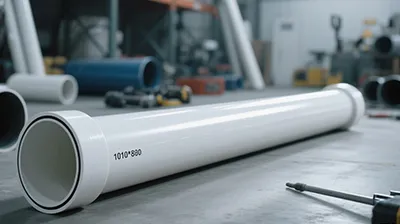
PVC Fuse Covers: PCB Protectors
If you disassemble your washing machine, your car's central control system, or a factory inverter, you'll find a seemingly inconspicuous yet crucial component on the core PCB circuit board—the fuse clip and fuse holder.
They act like the "emergency brakes" of a circuit, instantly shutting off power in the event of an overcurrent or short circuit, preventing damage or even fire. However, these "brakes" themselves require protection, and polyvinyl chloride (PVC) fuse caps are practical tools designed to safeguard them, solving many of the challenges of circuit protection with their proven performance.
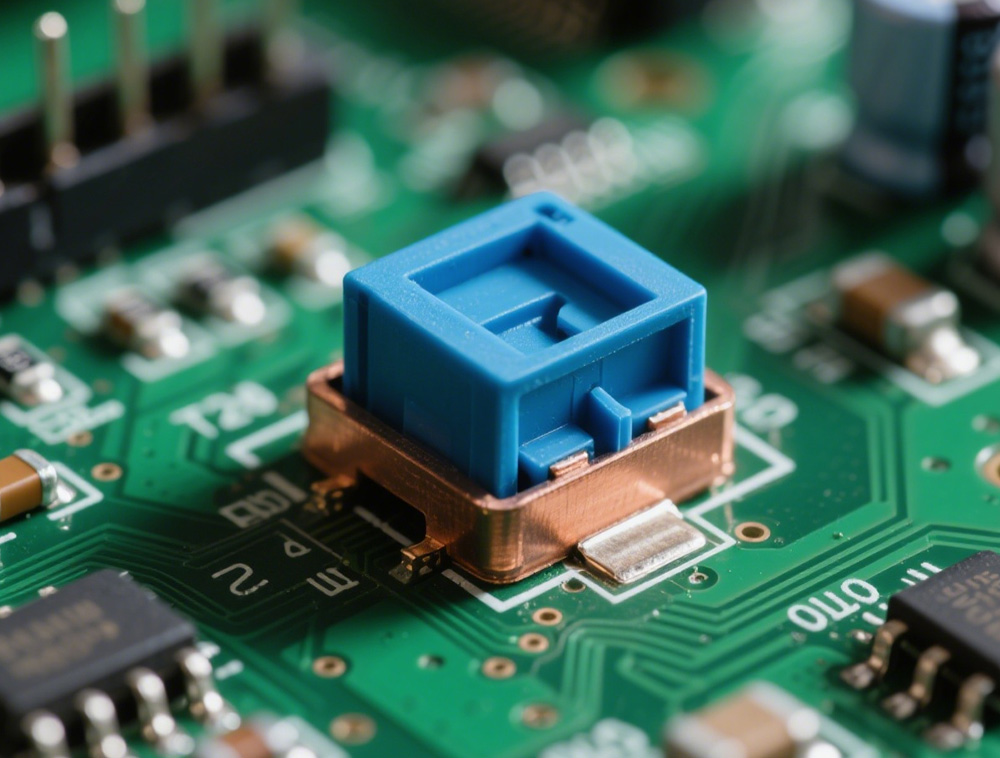
1. understand: Why do PCB components need protection?
Don't underestimate the fuse clips and fuse holders on a PCB; their working environment is not one to be trifled with. Take a home air conditioner, for example. Hanging it on the wall for extended periods of time can lead to dust and moisture accumulation. PCBs in cars are subject to the jostling and vibrations of the vehicle, and endure intense summer heat and winter temperatures. Factory equipment is even worse off, surrounded by oil, metal debris, and the constant vibration of running machinery.
These environmental challenges can cause problems for fuse components: Dust and oil entering the gaps between components can contaminate the contacts, hindering current flow and causing the "brake" to fail at a critical moment.
Moisture can cause metal parts to rust and eventually break down. Vibration is even more dangerous, potentially loosening or even causing components to fall off, paralyzing the entire circuit. Furthermore, static electricity and leakage within the circuit can also damage these components. This is where PVC fuse covers come in handy, keeping these issues out.
2. Detailed Performance: How do they address these challenges?
(1) Excellent insulation, no fear of leakage and static electricity
The most feared problem in circuits is "leakage." If a fuse assembly touches a leaky area, it will not only damage itself but also cause a safety accident. PVC has exceptionally strong insulation properties, reliably blocking current even under high voltages of 1kV, preventing it from flowing freely.
For example, a factory inverter has both high-voltage and low-voltage components on the PCB, which are located close together. A PVC fuse cover isolates the fuse assembly from the surrounding conductors, protecting it from high-voltage interference and preventing short circuits caused by leakage. Even during the humid rainy season in southern China, its insulation properties remain intact, making it safe for outdoor electronic equipment and automotive PCBs.
(2) Flexible and securely attached
Some protective covers are made of hard plastic, which often leave gaps after application, allowing dust and moisture to penetrate. But PVC is different. It's incredibly flexible and can adhere tightly to fuse components like a "soft shell," covering even small gaps.
Take a car for example. During a bumpy ride, if the protective cover isn't snug, it can easily rub against the components, wearing them out over time. However, a PVC fuse cover moves with the components, staying firmly in place despite the vibrations, keeping dust out and the components safe from friction. Installation is also convenient; there's no need to worry about alignment; a simple pinch and you're good at it, securing it securely and securely.
(3) It doesn't corrode copper components, extending their lifespan.
Fuse clips and fuse holders are mostly made of copper. Copper conducts electricity well, but it's also very prone to rust. Once rusted, the contact resistance increases, preventing current from flowing through the fuse, rendering it useless. However, PVC and copper get along very well, preventing them from rusting even when they're attached for extended periods.
Someone conducted an experiment: they placed a PVC fuse cover and a copper fuse clip in a "harsh environment chamber" at 40°C and 90% humidity. After 1000 hours, the copper components were still shiny and rust-free, and the contact resistance remained below 0.01Ω, indicating full functionality. This means that with this cover, copper components don't need to be replaced frequently, significantly reducing equipment maintenance costs.
(4) Sturdy and resistant to shock and vibration
Whether equipment is being moved during production or accidentally bumped during use, a weak protective cover will crack if dropped or deform if pressed, effectively thwarting its intended purpose. PVC fuse covers are specially treated to be exceptionally drop- and impact-resistant.
For example, machine tools in factories vibrate violently during operation, easily damaging components on printed circuit boards. However, PVC fuse covers have an impact strength of over 15kJ/m², so they won't crack or fall off even when the machine shakes violently. Sometimes, when assembling equipment, workers accidentally press on the cover with their hands, but it bounces back without deforming. Furthermore, it's wear-resistant, and scratches remain even after prolonged use, ensuring consistent protection.
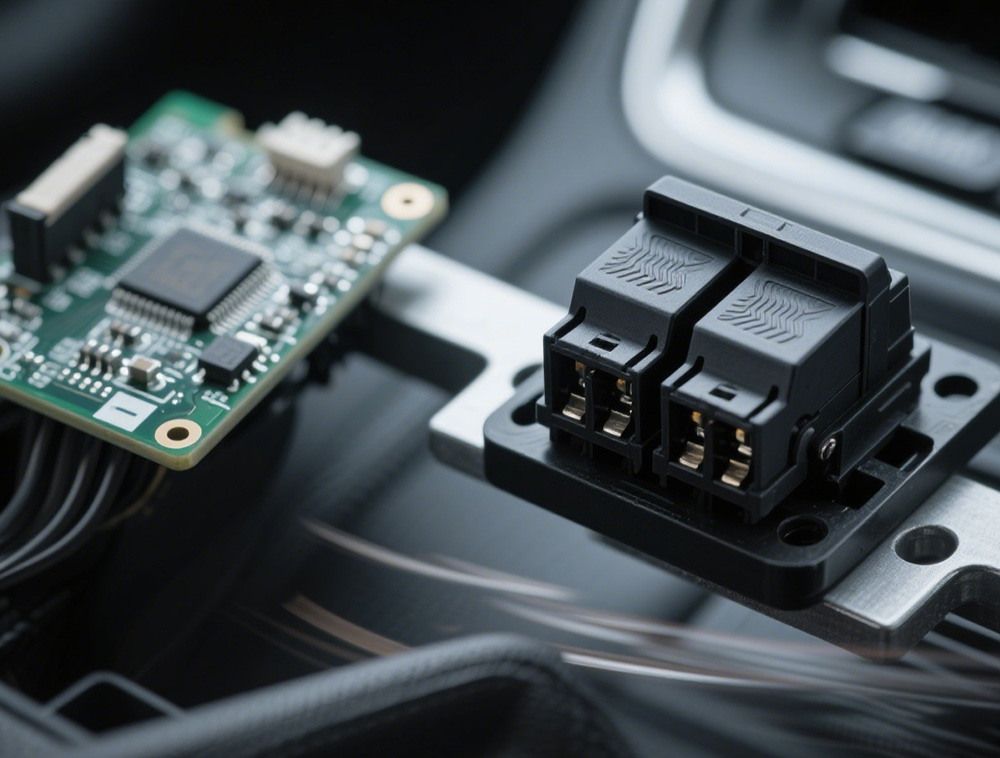
3. Design and Application: Suitable for Different Scenarios
To accommodate diverse needs, the PVC fuse cover's design is flexible. For example, there are corresponding covers for commonly used 5×20mm and 6×30mm fuses, which fit snugly. Installation is also simple. Some feature a snap-on design that snaps in place with a simple push, requiring no tools. This makes installation quick and easy for workers on the production line, without any loosening. Other covers feature a small window, allowing users to see if the fuse inside is blown without removing it, making maintenance particularly convenient.
It has a wide range of applications: PCBs in homes like televisions, washing machines, and air conditioners can be installed to block dust and moisture, extending the life of appliances. PLC controllers and machine tools in factories, exposed to harsh environments and high vibration, can be protected with it to ensure stable operation. Automotive PCBs, which must withstand high temperatures and vibration, can also handle this task, ensuring driving safety.
4. More Environmentally Friendly and Durable
Environmental protection is now a priority, and the electronics industry requires materials to be free of lead and halogen. Future PVC fuse caps will use a more environmentally friendly formula, free of these harmful substances and compliant with international RoHS and REACH standards, ensuring greater safety and environmental protection.
Furthermore, some high-end equipment operates in more extreme environments, such as higher temperatures and greater vibration. PVC will be further improved by adding reinforcements to make it stronger, or by applying high-temperature treatments to ensure long-term use in environments exceeding 100°C. This will allow it to adapt to more complex scenarios and provide more reliable protection for PCB circuits.
Our platform connects hundreds of verified Chinese chemical suppliers with buyers worldwide, promoting transparent transactions, better business opportunities, and high-value partnerships. Whether you are looking for bulk commodities, specialty chemicals, or customized procurement services, TDD-Global is trustworthy to be your fist choice.