Solutions for PET Solvent Corrosion
PET stands out from other materials thanks to its mature technology and ability to address key challenges: For large-scale production of small bottles, use injection stretch blow molding in one step; for thick, custom bottles, use extrusion blow molding; for hot beverages, use hot filling.
Afraid of solvent corrosion? Three solutions.
Don't abandon PET if you need to package ketones or esters—the industry already has mature solutions, and choosing the right one ensures peace of mind.
1. Switch to a "durable" copolymer.
Adding a little extra material to PET can make it more corrosion-resistant. For example, by adding monomers like isophthalic acid and cyclohexanedimethanol to PET, they react to form a copolymer. This modified PET has a stronger molecular chain and is less susceptible to breakage by ketones and esters.
For example, many nail polish brands currently use this copolymer PET bottle—even after six months of storage, the bottle remains brittle and leak-proof, ensuring maximum safety.
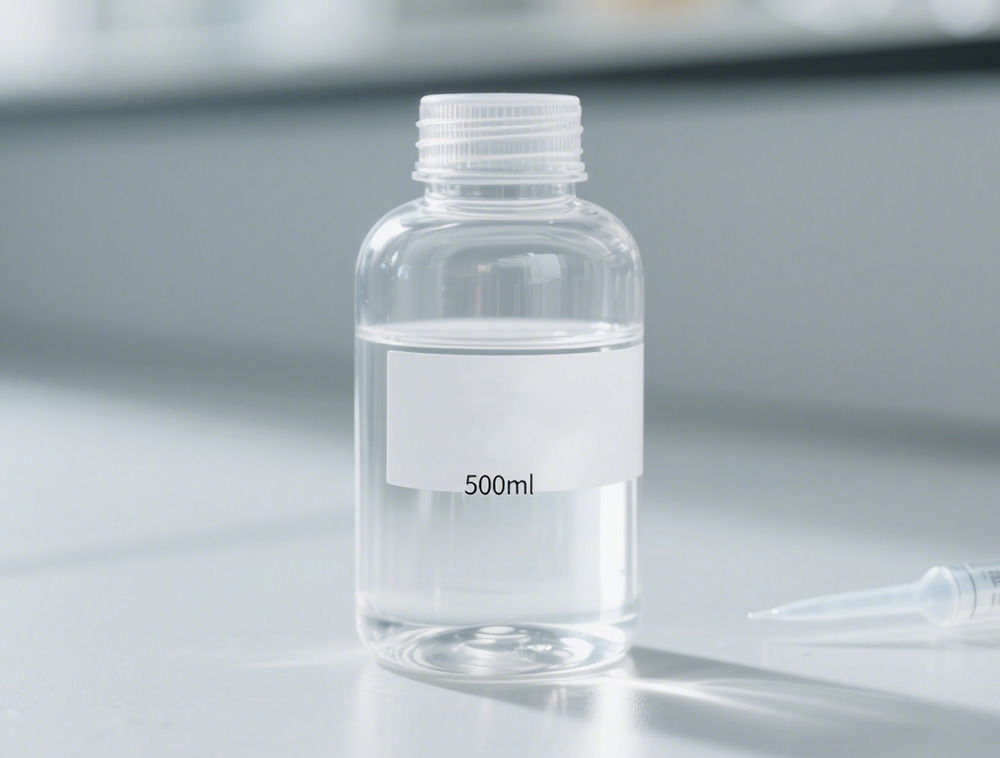
2. Adding a "Barrier Liner": Protecting PET
Another approach is to "line" the PET bottle—applying one or more layers of "barrier material" to the inner wall of the bottle, such as EVOH (ethylene-vinyl alcohol copolymer, which has excellent barrier properties) or PVDC (polyvinylidene chloride). These materials act like "protective clothing," isolating the solvent from the PET and preventing it from reaching the PET bottle.
Many PET bottles currently used for pesticides and industrial solvents use this technology—even those containing highly polar solvents can be leak-proof during transportation and storage, significantly improving safety.
3. Conduct "Compatibility Testing" in Advance: Avoiding Pitfalls
The safest approach is to conduct trial and error before production. For example, if you want to make a PET bottle for a new solvent, you can first simulate actual usage scenarios: fill a sample bottle with the solvent and place it at different temperatures (e.g., 25°C to 40°C) and humidity levels for 1-3 months. Observe the bottle for signs of brittleness, fogging, or leakage, and then measure the bottle's hardness and transparency for changes.
Many major brands follow this approach. For example, a daily chemical company developed a new makeup remover (containing esters) and conducted 20 compatibility tests before selecting the most corrosion-resistant material and process. Since its launch, the product has experienced no packaging issues.
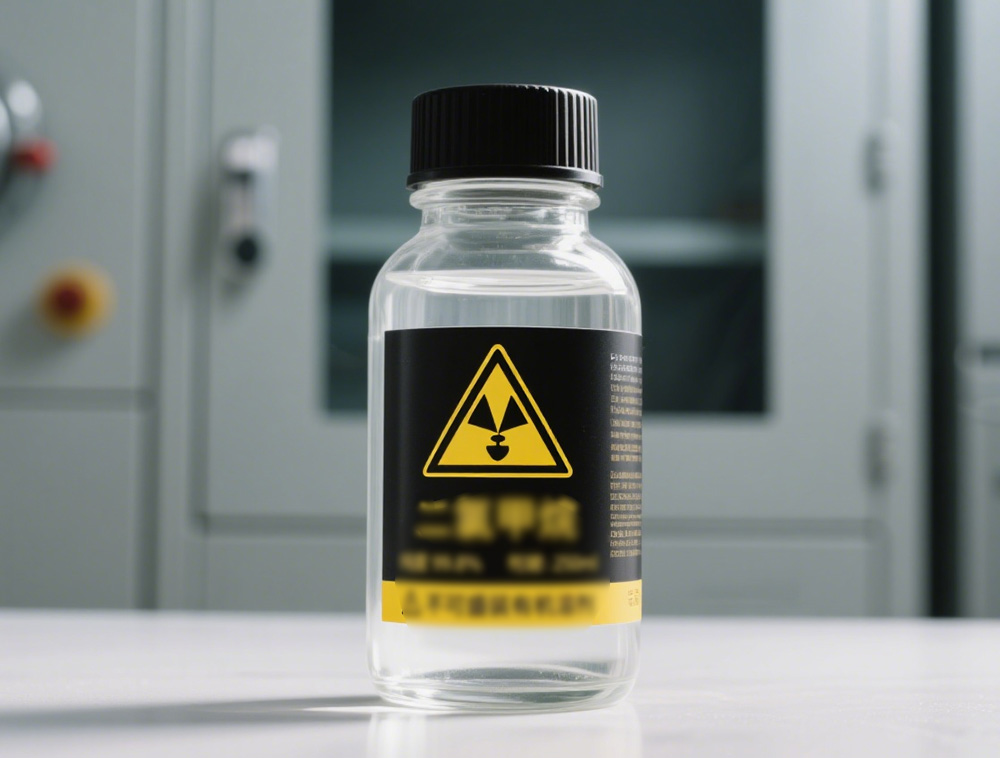
When choosing PET packaging, remember these key points.
PET stands out from other materials because of its mature technology and ability to address key pain points. For large-scale production of small bottles, use injection stretch blow molding; for thick, custom bottles, use extrusion blow molding; for hot beverages, use hot filling.
However, be careful when using it: avoid using it with ketone or ester solvents. If you must use it, either switch to a copolymer material or add a barrier liner, and test it beforehand.
Our platform connects hundreds of verified Chinese chemical suppliers with buyers worldwide, promoting transparent transactions, better business opportunities, and high-value partnerships. Whether you are looking for bulk commodities, specialty chemicals, or customized procurement services, TDD-Global is trustworthy to be your fist choice.