PVC impact modifiers and lubricant selection principles
In the processing of polyvinyl chloride (PVC), due to its molecular structure characteristics, problems such as poor melt fluidity and narrow processing temperature range are more prominent, and the rational use of lubricants is the key to solving these problems.
At the same time, with processing aids, impact modifiers and other additives, the mechanical properties, processing performance and surface quality of PVC products can be comprehensively improved to meet the needs of different application scenarios.
External lubricant: ensure smooth contact between melt and equipment
External lubricant is an important auxiliary agent to ensure smooth molding of melt in PVC processing. Its core function is to form a physically isolated lubricating film between the PVC melt and the metal surface of the processing equipment, reduce the friction coefficient between the melt and the equipment surface, and reduce adhesion. Common external lubricants include paraffin, microcrystalline paraffin, stearic acid and its salts, etc.
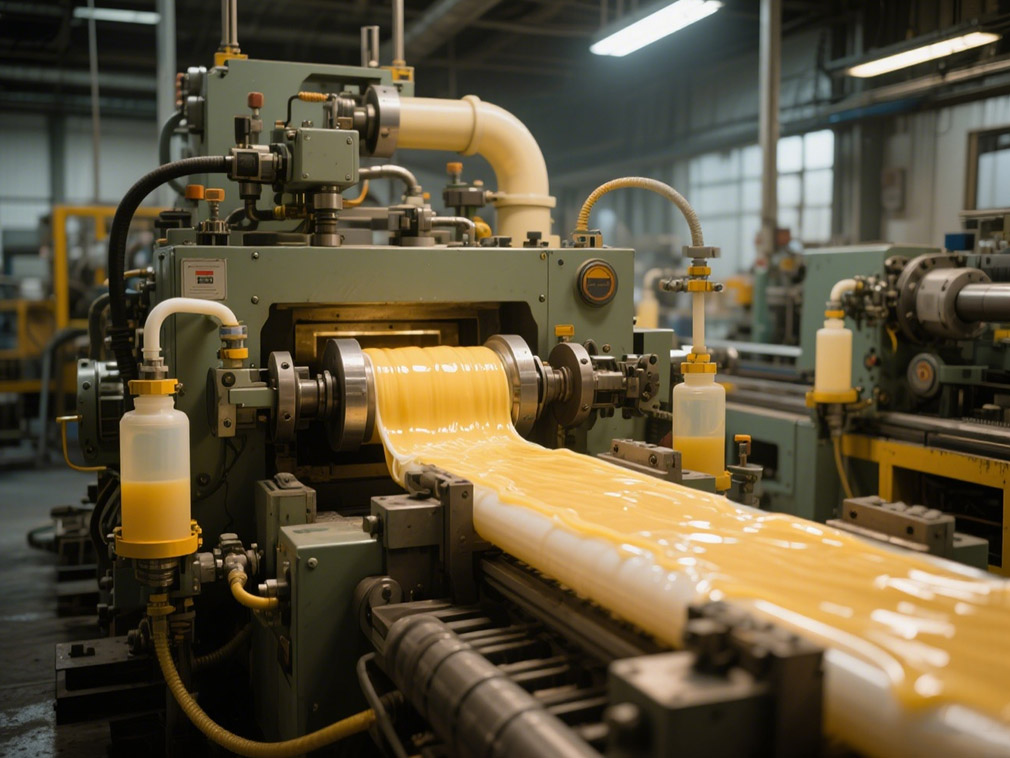
Paraffin lubricants have a low melting point and can quickly migrate to the surface of the melt at the beginning of processing to form a preliminary lubricating layer, which is suitable for the early stages of processes such as extrusion and injection molding.
Microcrystalline wax has a longer molecular chain, a higher melting point, and a stronger lubrication durability. It can continue to provide lubrication in the later stage of high-temperature processing, effectively preventing the degradation caused by the retention of the melt in the mold.
Dosage control and influence of external lubricants
The dosage of external lubricants needs to be flexibly adjusted according to the processing technology. In extrusion molding, since the material stays in the barrel for a long time, it is usually necessary to add 0.3%-1% of external lubricant; and in the injection molding process, in order to avoid excessive lubricants causing shrinkage holes on the surface of the product, the dosage is generally controlled at 0.2%-0.5%.
If the external lubricant is insufficient, the melt will adhere to the equipment, resulting in problems such as rough surface and unstable size of the product; excessive lubricant may cause lubricant precipitation, affecting the mechanical properties of the product and subsequent secondary processing performance such as printing and bonding.
Internal lubricant: optimize the internal fluidity and stability of the melt
The mechanism of action of the internal lubricant is completely different from that of the external lubricant. It mainly penetrates into the molecular chains through compatibility with the molecular chains of PVC resin, reduces the internal friction between molecules, and thus improves the fluidity and uniformity of the melt.
At the same time, the internal lubricant can reduce the frictional heat between the molecular chains, effectively prevent the degradation of PVC due to local overheating during processing, and ensure the color stability of the product.
Commonly used internal lubricants include butyl stearate, pentaerythritol stearate, epoxy soybean oil, etc. Among them, butyl stearate has good compatibility and can significantly reduce the melt viscosity, which is suitable for use in soft PVC products; pentaerythritol stearate has excellent thermal stability and is widely used in hard PVC processing, which can effectively avoid degradation problems at high temperatures.
Dosage control and coordinated application of internal lubricants
The dosage of internal lubricants needs to be strictly controlled, usually between 0.5%-2%. When the dosage is insufficient, the melt fluidity is poor, the plasticization is uneven, and the product is prone to internal stress and cracking; excessive dosage will lead to an imbalance in the compatibility of the lubricant and the PVC resin, resulting in "oiling", which not only affects the surface finish of the product, but also reduces the mechanical properties of the product.
In practical applications, internal lubricants are often used in conjunction with external lubricants to achieve the best lubrication effect through "internal and external synergy". For example, stearic acid (external) and butyl stearate (internal) are compounded in a certain proportion to optimize the external lubrication and internal fluidity of the melt.
Processing aids: Improve PVC plasticization efficiency and product precision
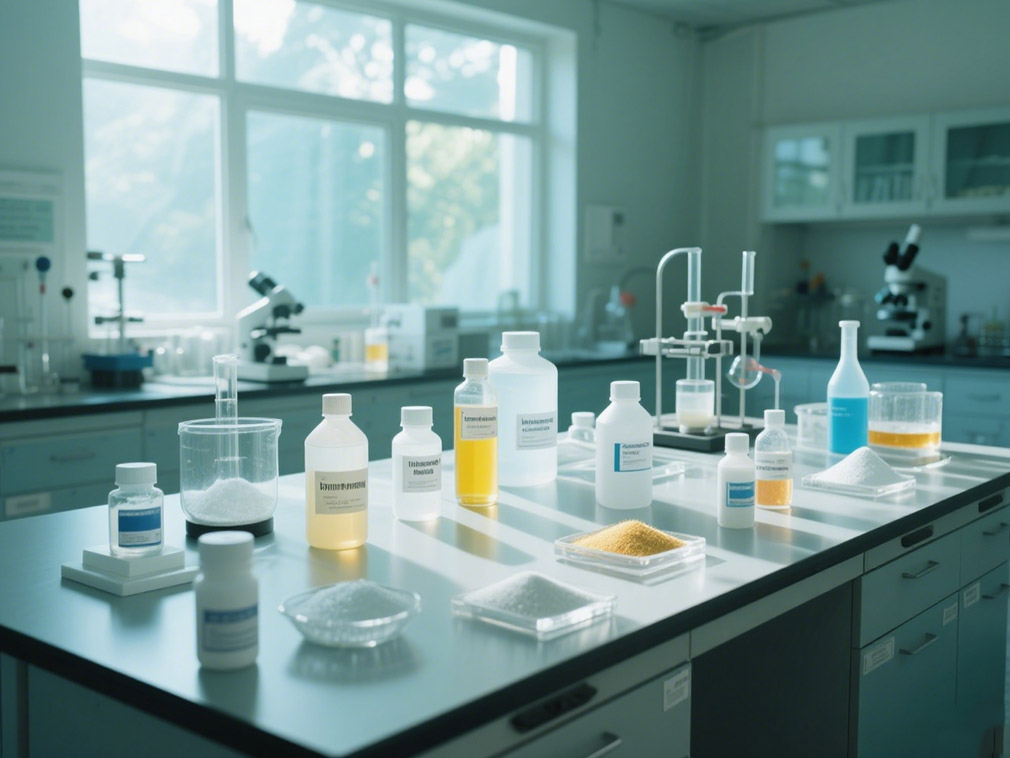
In addition to lubricants, processing aids are another key additive to improve the processing performance of PVC. Processing aids represented by acrylic copolymers (ACR) can effectively promote the plasticization process of PVC resin, shorten the plasticization time, and improve the uniformity of plasticization.
ACR melts before PVC during processing to form a continuous phase that wraps the PVC particles, promotes heat transfer and molecular chain diffusion, thereby reducing the plasticization temperature and energy consumption.
At the same time, ACR can significantly improve the elasticity and strength of PVC melt, effectively improve the surface finish and dimensional accuracy of products, and is widely used in PVC profiles, plates and other extruded products, and the addition amount is usually 1%-3%.
Impact modifier: the core booster to improve the brittleness of PVC
Impact modifier is the core additive to improve the brittleness of PVC. Unmodified PVC products have poor impact resistance and are prone to breakage at low temperatures or under stress, while impact modifiers improve their impact resistance through a "toughening mechanism".
Common impact modifiers include chlorinated polyethylene (CPE), methyl methacrylate-butadiene-styrene copolymer (MBS), acrylonitrile-butadiene-styrene copolymer (ABS), etc.
MBS has a core-shell structure. The core of the rubber phase can absorb impact energy, and the shell has good compatibility with PVC, which can keep PVC products at high impact resistance at low temperatures.
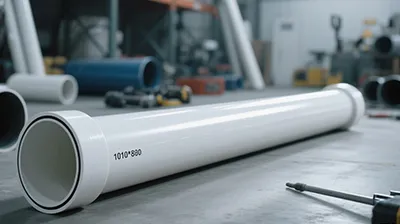
It is suitable for making refrigerator liners, medical devices and other products used in low-temperature environments; CPE has excellent weather resistance and processing stability. It is widely used in outdoor PVC products such as pipes and profiles, and the addition amount is generally 8%-15%.
Synergy and selection principles of additives
In PVC processing, the synergy of various additives is crucial. When lubricants are used in combination with processing aids, lubricants can optimize melt fluidity, help processing aids to be more evenly dispersed in the resin, and improve the plasticization effect; when impact modifiers are used with lubricants, it is necessary to avoid excessive lubricants affecting the compatibility of modifiers and resins to ensure that impact resistance is not damaged.
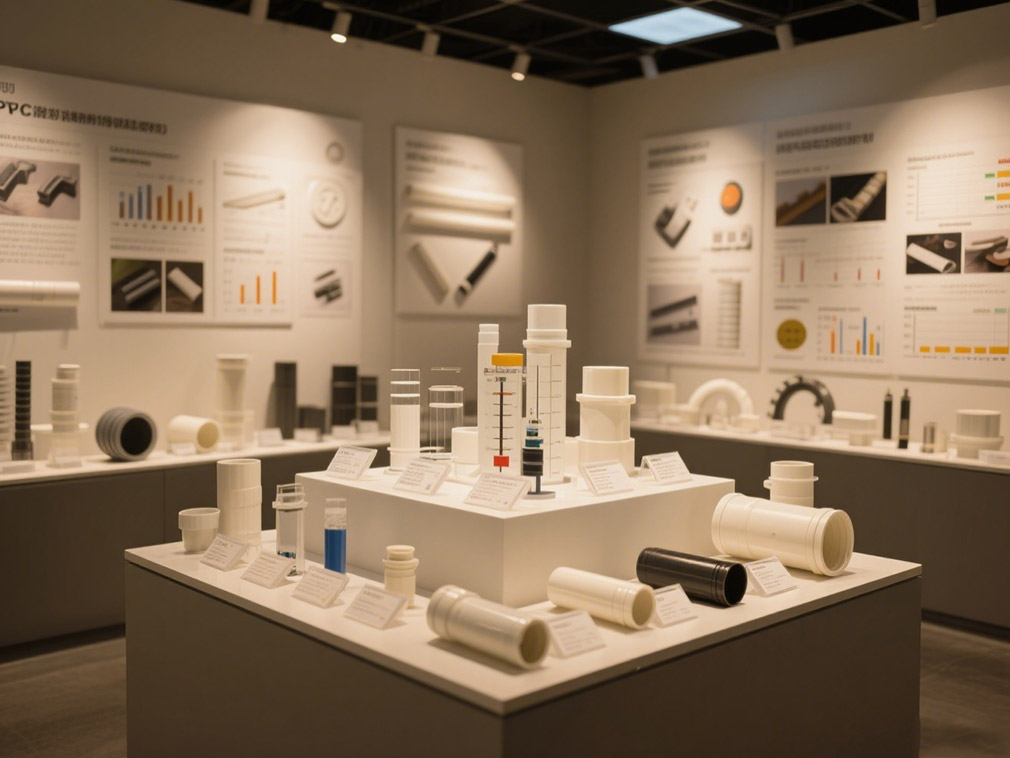
In addition, when selecting additives, it is also necessary to comprehensively consider the product use, processing technology and cost factors. For example, food-grade PVC products need to use lubricants and modifiers that meet food safety standards, and high-temperature processing technology needs to give priority to additives with excellent heat resistance.
In short, the rational selection of lubricants and various additives and their synergistic effects are the key to improving PVC processing performance and product quality. With the continuous expansion of PVC application areas, the performance requirements for additives will continue to increase, and low-toxic, high-efficiency, and multifunctional additives will become the future development trend.
Our platform connects hundreds of verified Chinese chemical suppliers with buyers worldwide, promoting transparent transactions, better business opportunities, and high-value partnerships. Whether you are looking for bulk commodities, specialty chemicals, or customized procurement services, TDD-Global is trustworthy to be your fist choice.