PET Bottles' Recyclable Additive Quest
With the deepening of environmental awareness and the concept of sustainable development, the market demand for products with high rPET (recycled polyethylene terephthalate) content has grown rapidly. As the packaging category with the largest recycling volume and the highest recycling value, PET water bottles have become the core carrier for promoting the circular economy.
However, in order to achieve a significant increase in the rPET content in PET water bottles and ensure the complete recyclability of the entire production process, finding a fully recyclable additive that is suitable for it has become a core issue that needs to be solved urgently.
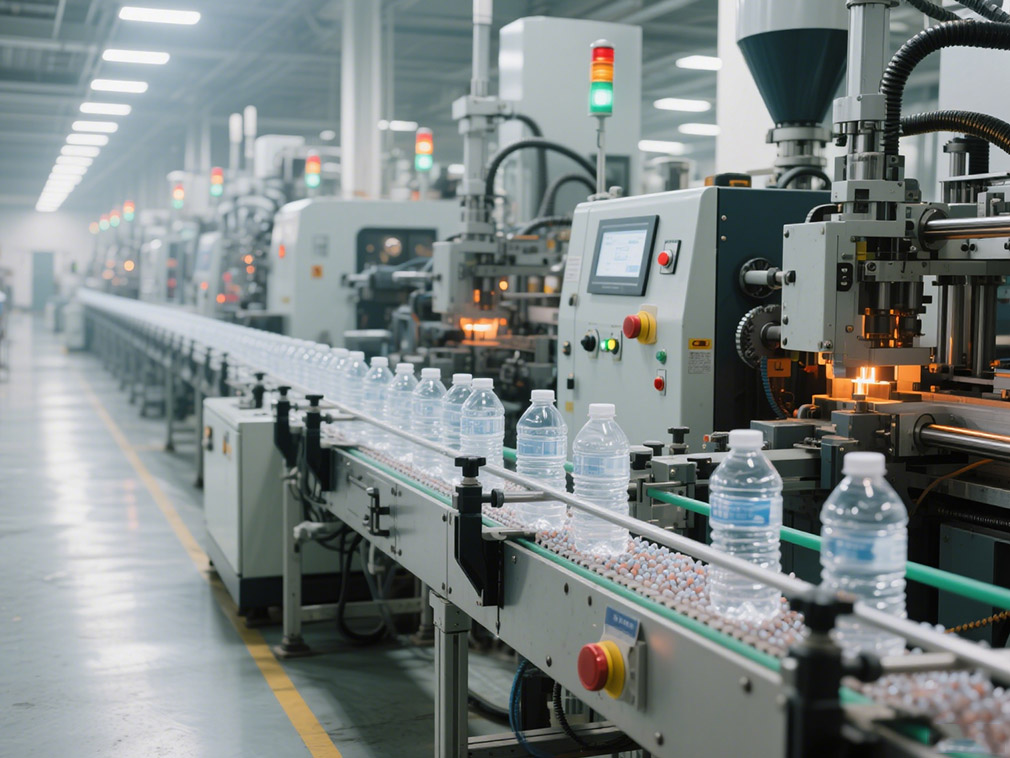
PET material itself has the advantages of light material, strong structure and excellent chemical properties, which makes it the most widely used beverage packaging material. When making PET, catalysts are often needed to promote chemical reactions.
Antimony-based catalysts are widely used because of their good effect and low price. In some production processes, antimony will remain in the final PET product if the antimony process is not removed.
Once the temperature rises, the storage time is prolonged, it is exposed to light, and it comes into contact with acidic beverages such as juice and soda water, more antimony will seep out of the plastic bottle. Antimony is biologically toxic and can enter the human body through various pathways, causing damage to human tissues or organs.
In addition to antimony, in order to increase the durability and strength of PET, plasticizers represented by phthalates (PAEs) are usually added during the production process. Such plasticizers can disrupt the human endocrine system and increase the risk of cancer.
In order to reduce the oxygen permeability of PET water bottles to better protect the packaged products, such as when packaging dairy products or other oxygen-sensitive products, early researchers tried to add a large number of additives to PET raw materials, including white masterbatches, purple masterbatches and oxygen absorbers. However, the large-scale use of these additives has brought a series of thorny problems.
From a cost perspective, the excessive use of masterbatches and oxygen absorbers has greatly increased production costs, which has a negative impact on the economic benefits and market competitiveness of enterprises. In terms of production technology, excessive use of additives can easily lead to poor final bottle molding effects and uneven distribution of bottle materials, which in turn affects product quality and appearance. The difficulty of the bottle blowing process will also increase, reducing production efficiency and increasing scrap rate.
Multilayer PET bottles and PET bottles containing special additives (such as oxygen scavengers and UV absorbers) also cause great trouble in the recycling process. These bottles can easily be mixed into the recycling system and become part of the PET bale, and the recycling system needs to make great efforts to identify and remove these components.
This not only increases the cost of recycling, but also reduces recycling efficiency. Many brand owners want to use recyclable bottles in order to support sustainable product development, but these problematic additives and complex structures force them to avoid some technologies with extra weighting or long shelf life, because these technologies will cause problems for the existing PET recycling system, which in turn affects the quality and supply stability of recycled PET material products.
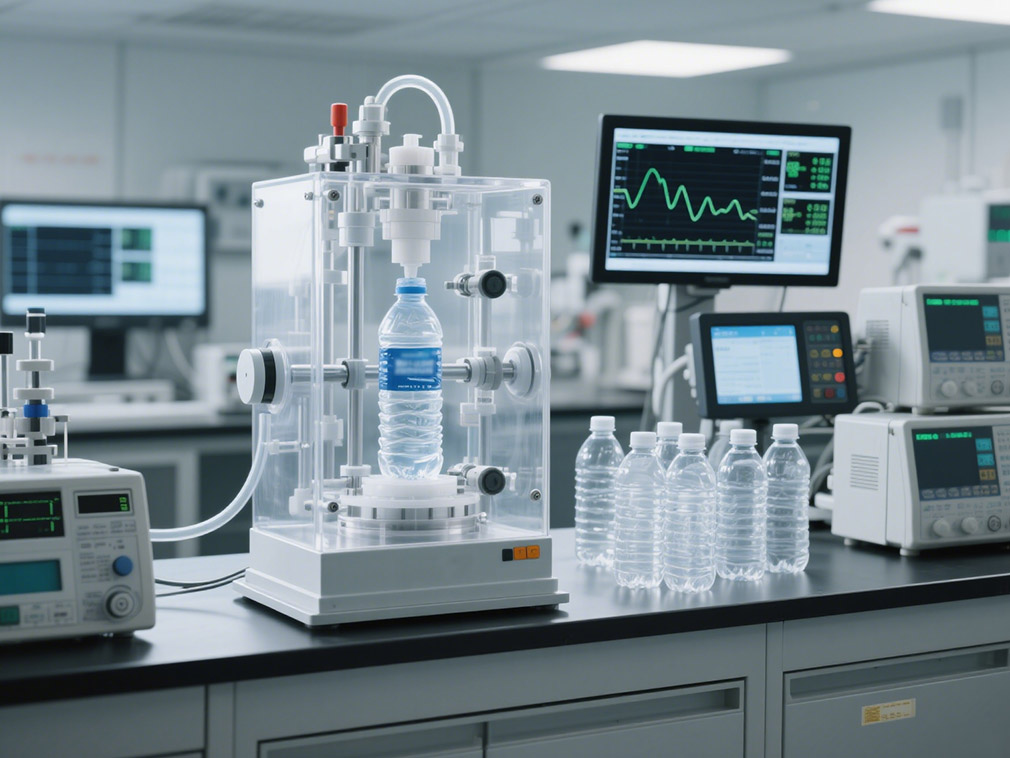
In the search for fully recyclable additives, there is also the challenge of difficult technical research and development. Developing additives that can meet the performance, safety and other requirements of PET water bottles and ensure recyclability throughout the entire life cycle requires a lot of manpower, material and financial resources for in-depth research and testing.
At present, the relevant technical reserves and R&D results are still relatively limited, and there is still a long way to go before large-scale commercial application. Moreover, when new recyclable additives are brought to the market, they need to undergo strict regulatory certification and market testing to ensure that they will not have negative impacts on human health and the environment, which has also delayed the process of their promotion and application to a certain extent.
Our platform connects hundreds of verified Chinese chemical suppliers with buyers worldwide, promoting transparent transactions, better business opportunities, and high-value partnerships. Whether you are looking for bulk commodities, specialty chemicals, or customized procurement services, TDD-Global is trustworthy to be your fist choice.