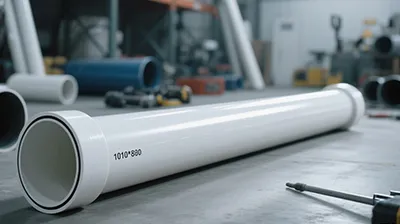
PVC: Key Material for LED Spacers
Among numerous candidate materials, polyvinyl chloride (PVC) has gradually become the mainstream choice for LED spacers and spacers, thanks to its multiple advantages in insulation, heat resistance, processability, and cost. The following will comprehensively analyze PVC's core competitiveness in this field from five perspectives: material foundation, core functions, performance value, application advantages, and future development.
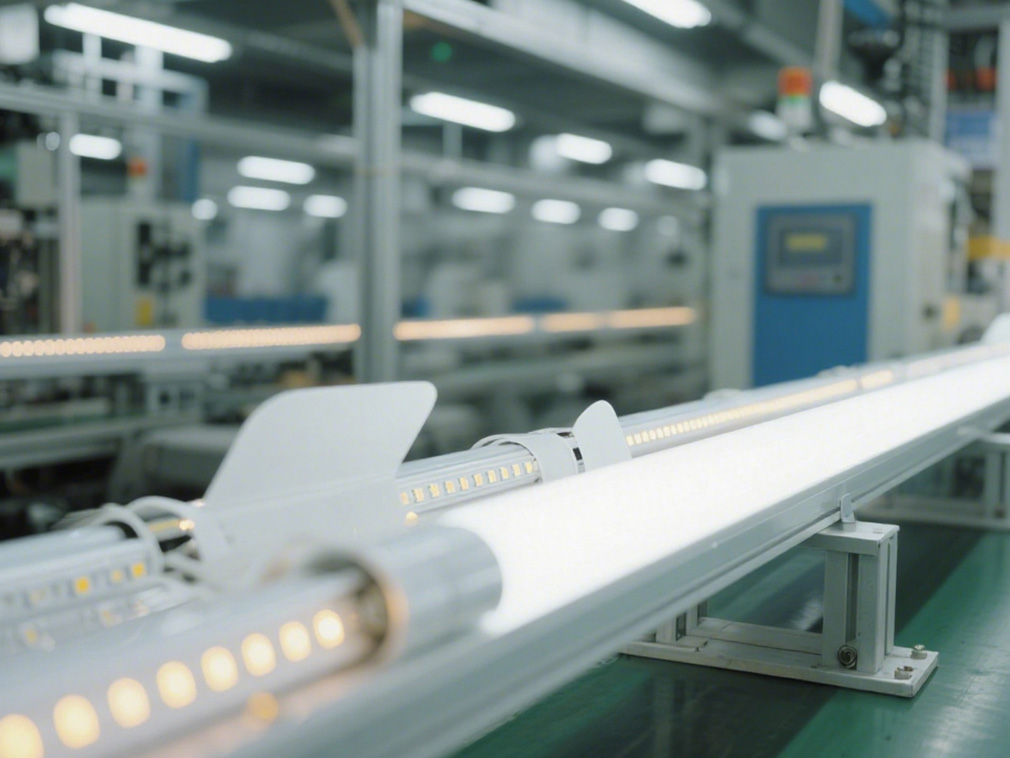
1. PVC: A Key Material Foundation for LED Component Safety and Stability
In the LED industry, component electrical safety and thermal stability directly impact product performance limits and service life.
Polyvinyl chloride (PVC), due to its unique material properties, is an ideal material for LED spacers and spacers.
PVC excels in insulation protection, heat resistance, and heat dissipation, providing critical assurance for stable LED operation.
2. The Core Function of Spacers: PVC Builds a Reliable Electrical Insulation Barrier
Electrical insulation is the primary function of LED spacers. LEDs have densely packed leads and terminals, and insulation failure can easily lead to short circuits and other faults.
Short circuits can not only burn out the LED chip, but can also damage peripheral components such as the driver and circuit boards. PVC molecules are composed of carbon, hydrogen, and chlorine. Their tightly packed molecular chains and lack of free electron mobility result in excellent dielectric properties: a volume resistivity of 10¹³-10¹⁵Ω・cm and a breakdown field strength of 15-25kV/mm, far exceeding the requirements for LED operation.
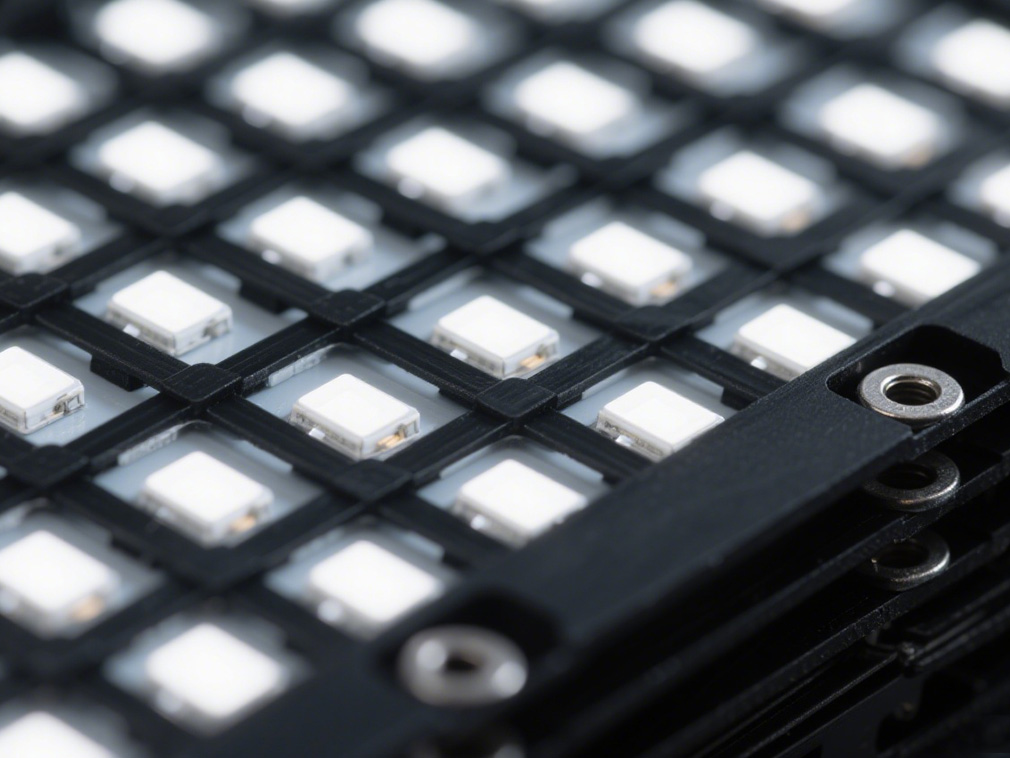
PVC spacers can be processed into thin sheets (0.1-0.5mm) or custom-shaped structures, tightly fitting between leads and terminals to form a seamless insulation barrier.
A practical example: In LED display lamp modules, PVC spacers isolate the positive and negative electrodes of adjacent lamp beads, preventing insulation degradation and leakage in humid, high-temperature environments, ensuring stable display illumination.
3. Key Value of Spacers: PVC Assists LED Heat Resistance and Heat Dissipation
LED operation generates heat. High-power LED chips (such as those in automotive headlights and industrial lighting) can reach temperatures of 80-120°C. Failure to dissipate this heat can lead to accelerated light decay and color temperature drift, and in severe cases, a lifespan reduction from 50,000 hours to less than 10,000 hours.
PVC has been modified with a formula (by adding calcium-zinc stabilizers and antioxidants) to increase its heat deformation temperature to 80-100°C and its short-term heat resistance to over 120°C, making it suitable for the operating temperatures of medium- and high-power LEDs.
PVC spacers are not simply heat-resistant; their structural design synergizes with the LED cooling system. Installed between the heat sink bracket and the LEDs, they not only secure the LEDs but also conduct localized heat to the bracket for dissipation.
Experimental data: In 100W high-power LED streetlights, lamp core temperatures using PVC spacers were 8-12°C lower, and light decay was reduced by 15%-20%, significantly extending LED life.
4. Processing and Cost Advantages: PVC Strengthens Its Position in LED Components
LED products are diverse, and the shape and size requirements for spacers and spacers vary greatly.
PVC is highly adaptable to processing: complex shapes can be precisely formed through injection molding, extrusion, and calendaring, without the need for high temperatures or high pressures, and with low energy consumption. Significant cost advantages: PVC raw material costs are only 1/3-1/5 of those of materials like polyimide (PI) and polytetrafluoroethylene (PTFE), ensuring performance while reducing production costs.
This combination of "cost-effectiveness + high performance" has led to widespread use of PVC separators and spacers in areas such as home lighting, automotive electronics, and outdoor displays, driving the adoption of LED products.
5. Future Outlook: PVC Modification Promotes LED Performance Upgrades
LED technology is evolving towards higher power, miniaturization, and integration, placing increasing demands on component material performance.
In the future, PVC modification can be used to optimize performance: for example, by introducing nanofillers to enhance heat resistance and adding flame retardants to enhance safety.
Modified PVC will be more widely used in LED separators and spacers, providing a solid material foundation for performance upgrades in LED products.
Our platform connects hundreds of verified Chinese chemical suppliers with buyers worldwide, promoting transparent transactions, better business opportunities, and high-value partnerships. Whether you are looking for bulk commodities, specialty chemicals, or customized procurement services, TDD-Global is trustworthy to be your fist choice.