PVC-P: Flexible PVC Properties, Applications & Environmental Standards
Flexible polyvinyl chloride, often simply referred to as PVC-P in the industry, is also known as plasticized PVC. It is one of the most widely used modified varieties of polyvinyl chloride (PVC). By adding a suitable plasticizer to ordinary rigid PVC, the tight arrangement of the original molecular chains is broken, making the originally brittle and difficult-to-bend material soft and elastic. It has become a versatile polymer material with both practicality and processability, widely used in various fields such as consumer goods, industry, and construction.
Composition and Modification Principle: The Secret from "Hard" to "Soft"
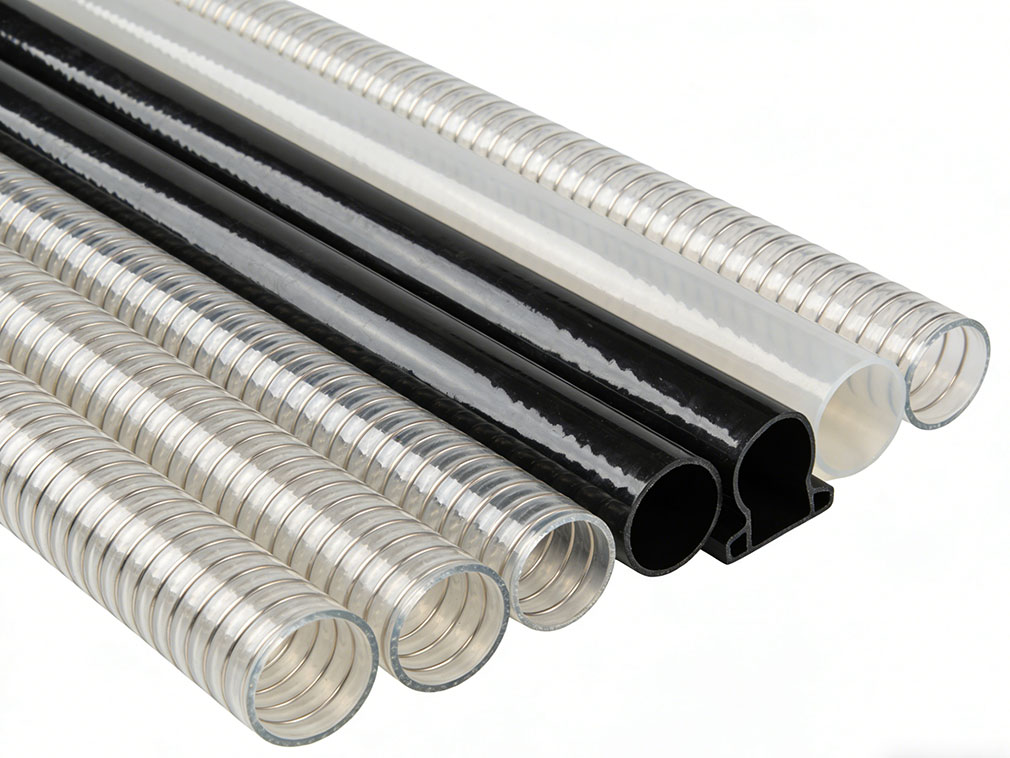
The core change in PVC-P comes from the addition of plasticizers. Ordinary PVC itself is a rigid material, while plasticizers—mostly ester compounds—can embed themselves between the PVC molecular chains, weakening the intermolecular forces and making the chain segments more mobile, thus achieving the transformation from hard to soft.
The industry typically adjusts the degree of hardness based on the amount of plasticizer added. The plasticizer content of PVC-P is generally between 30% and 70%. A higher proportion results in a softer material with better elasticity; a lower proportion reduces flexibility but increases hardness, meeting the precise needs of different applications.
Core Performance: Practical Advantages and Minor Limitations
PVC-P's widespread application is due to its excellent properties:
Mechanical Properties: Soft texture, foldable, impact-resistant, and not easily broken even after repeated bending; excellent recovery after stretching.
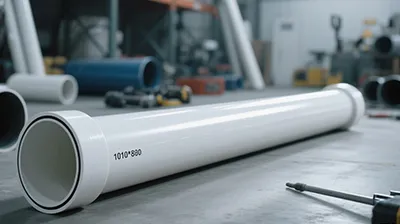
Processing Performance: Supports various molding methods such as extrusion, injection molding, calendering, and blow molding, and can be made into diverse products such as films, pipes, and artificial leather, resulting in high production efficiency.
Chemical Stability: Resistant to acids and alkalis, moisture-resistant, with outstanding electrical insulation and superior flame retardancy compared to ordinary flexible plastics, making it safer to use.
However, it also has its limitations. Prolonged exposure to low temperatures will gradually harden, reducing flexibility; prolonged exposure to outdoor sunlight will easily lead to aging and yellowing. Therefore, for outdoor applications, UV-resistant and anti-aging additives are often added to optimize performance.
Ubiquitous PVC-P: Key Application Areas
With its stable performance and affordable cost, PVC-P has permeated every aspect of our lives:
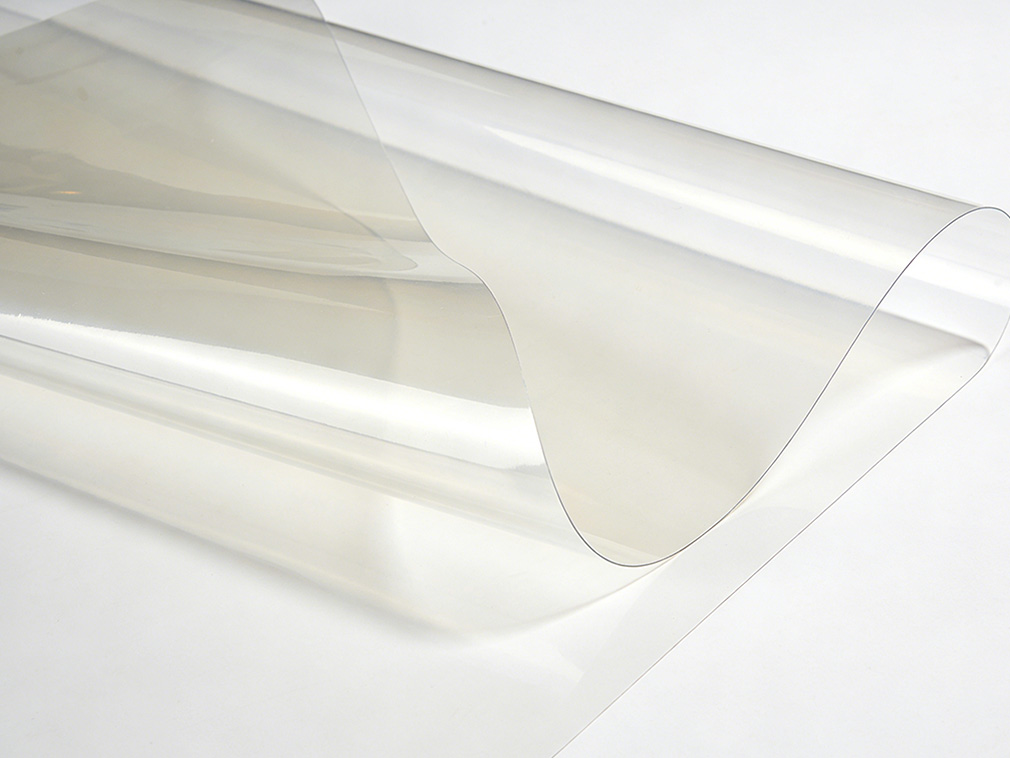
Construction: Wire and cable sheathing, door and window sealing strips, waterproof membranes, soft flooring, etc., providing flexible connections and protection for buildings.
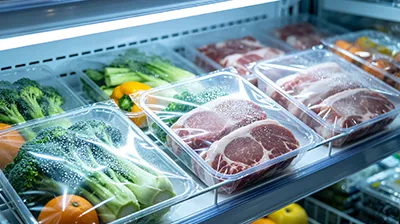
Daily Necessities and Packaging: Food-contact grade soft films, anti-slip mats, soft rubber parts for toys, etc., requiring compliance with relevant food contact material safety standards.
Medical: Compliantly modified PVC-P can be used in infusion tubing, medical sealing gaskets, protective gloves, and other disposable medical consumables.
Industrial: Various industrial hoses, cushioning pads, transmission belts, etc., meeting the needs for flexible connections and protection in equipment.
Environmental Protection and Standards: Upgrading to Safer Standards
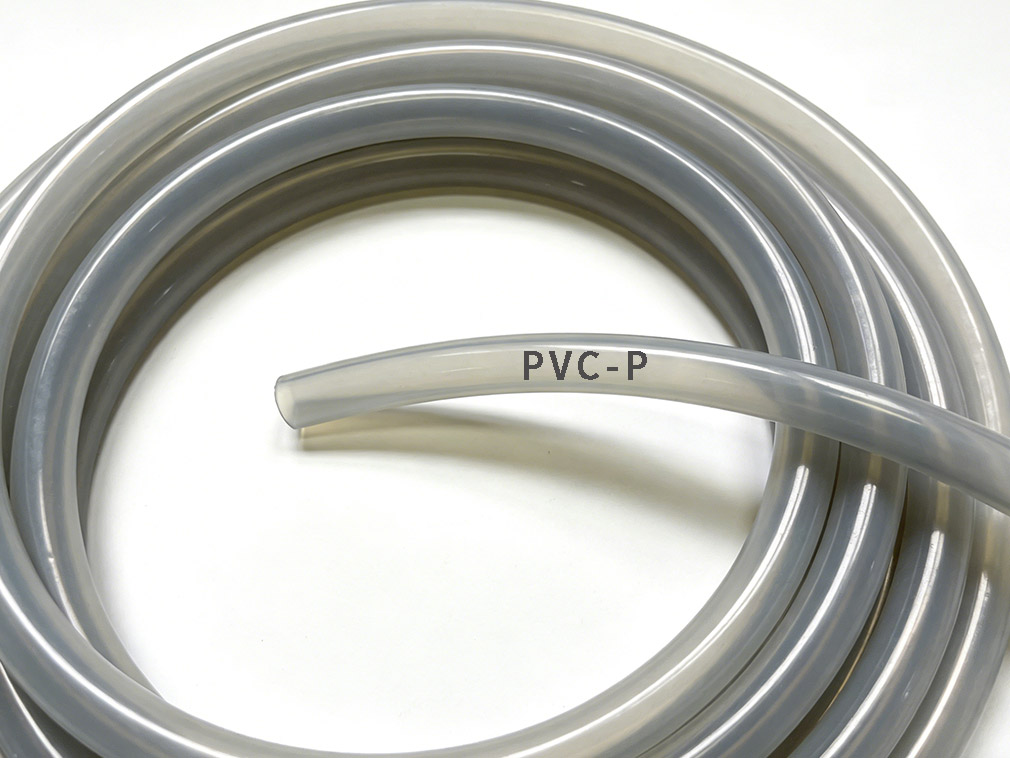
The production and application of PVC-P are inseparable from industry standards and environmental protection requirements. The latest national standards GB/T 44305.1-2024 and GB/T 44305.2-2024 have been implemented in China, standardizing the naming, sample preparation, and performance testing of the material.
In terms of environmental protection, addressing the potential risks of traditional phthalate plasticizers, high-end applications such as food contact and medical applications have fully adopted environmentally friendly and non-toxic plasticizers such as **citric acid esters and epoxidized soybean oil**, strictly adhering to relevant safety standards to prevent the migration of harmful substances and ensure safe use.
As a mature flexible polymer material, PVC-P has secured a place in the modern materials system due to its adjustable flexibility, excellent processability, and high cost-effectiveness. With the continuous upgrading of environmental protection technologies and the improvement of industry standards, it is iterating towards becoming more environmentally friendly, more durable, and higher-performance, continuously meeting the diverse needs of various fields for flexible plastics.
Our platform connects hundreds of verified Chinese chemical suppliers with buyers worldwide, promoting transparent transactions, better business opportunities, and high-value partnerships. Whether you are looking for bulk commodities, specialty chemicals, or customized procurement services, TDD-Global is trustworthy to be your fist choice.