Polypropylene Density: Lightweight Advantage & Applications in Materials
Among general-purpose thermoplastic polymers and engineering plastics, polypropylene (PP) has become a core choice in the field of lightweight materials due to its extremely low density. As one of the lowest-density polymers currently in industrial mass production, this physical characteristic not only lays the foundation for the material's basic application boundaries but also provides crucial support for energy conservation, emission reduction, and lightweight design.
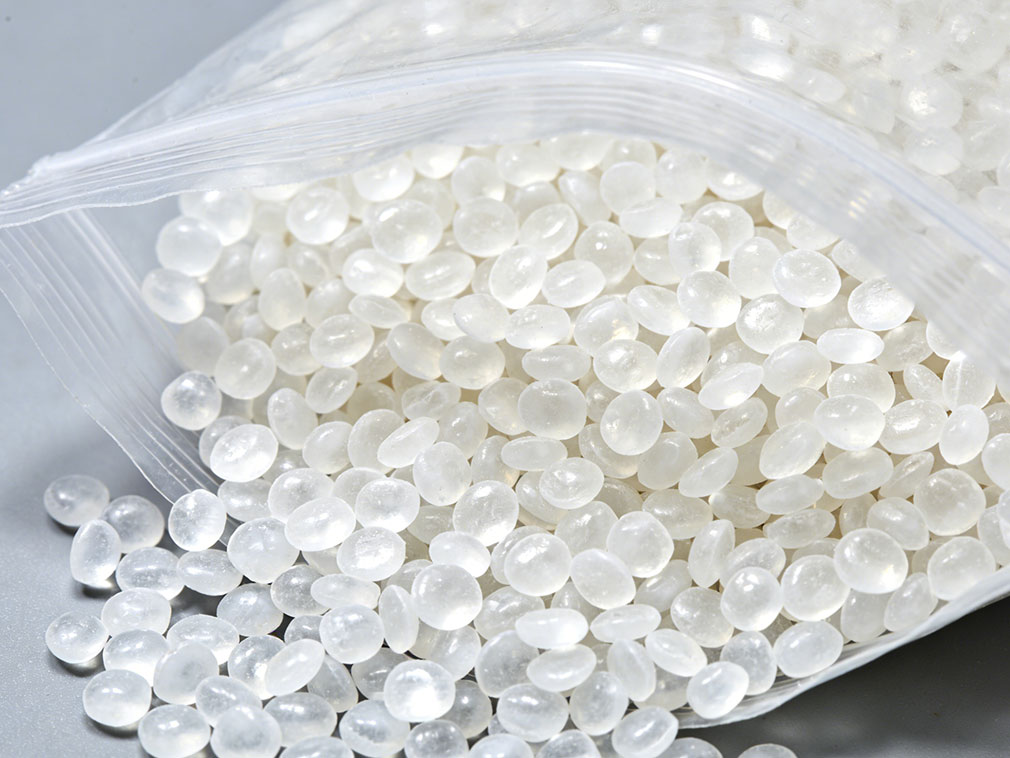
According to industry-standard testing, the density of unmodified pure PP resin is consistently between 0.89 and 0.91 g/cm³, with a typical value of approximately 0.905 g/cm³, far lower than the density of water (1 g/cm³). Compared to mainstream polymers such as polyethylene (PE), polyvinyl chloride (PVC), polystyrene (PS), and ABS, PP's density advantage is significant, resulting in a lighter weight for the same volume, thus making it the preferred substrate for lightweight products.
The low density of PP is not static; its core influencing factor lies in its internal molecular structure. Different polymerization processes, molecular configurations, and copolymerization ratios all cause small but regular fluctuations in density, which becomes an important means of controlling the material to adapt to different application scenarios.
From a molecular structure perspective, PP's main chain consists of carbon-carbon single bonds, with single methyl groups suspended in the side chains. It exhibits high molecular chain regularity, strong crystallinity, and moderate intermolecular spacing, resulting in a relatively low overall packing density—the fundamental source of its lightweight properties.
Homopolymer PP has the highest molecular chain regularity, reaching 60%–70% crystallinity, and a slightly higher density, ranging from 0.905–0.915 g/cm³. Random copolymer PP and block copolymer PP, due to the introduction of ethylene monomer units, have disrupted molecular chain regularity, leading to decreased crystallinity and a lower density, typically between 0.900–0.910 g/cm³. These copolymer PPs retain their lightweight advantage while further improving toughness, broadening their application range.
Besides molecular structure, subsequent modification treatments and production process parameters also indirectly affect PP density. However, even after conventional modification, its overall density remains significantly lower than most polymers, and its core lightweight advantage is not lost.
Commonly used functional modified PP varieties in the industry, such as halogen-free flame-retardant PP and toughened PP, show only minimal density increases, ranging from 0.93 to 1.05 g/cm³. Only modified varieties with a high proportion of inorganic fillers (such as calcium carbonate and talc) or glass fiber reinforcement exhibit a slight increase in density, reaching 1.00–1.25 g/cm³, with the increase positively correlated with the amount of filler or glass fiber added.
Although these modified PP varieties show a slight increase in density, they still maintain a lightweight advantage compared to engineering plastics with equivalent mechanical properties. This adjustable density characteristic allows PP to balance lightweight design with strong mechanical properties, meeting the customized needs of various industries.
PP's lightweight properties demonstrate significant practical value in multiple consumer and industrial sectors, aligning with current trends towards green, low-carbon, energy-saving, and efficiency-enhancing development. This is a key reason why its market share has consistently ranked among the top general-purpose plastics.
In the automotive manufacturing sector, PP materials used in bumpers, interior panels, dashboard frames, battery covers, and other components can reduce weight by 40%–60% compared to metal materials, effectively reducing vehicle weight, improving fuel economy, and meeting the lightweight requirements of new energy vehicles while reducing battery energy consumption.

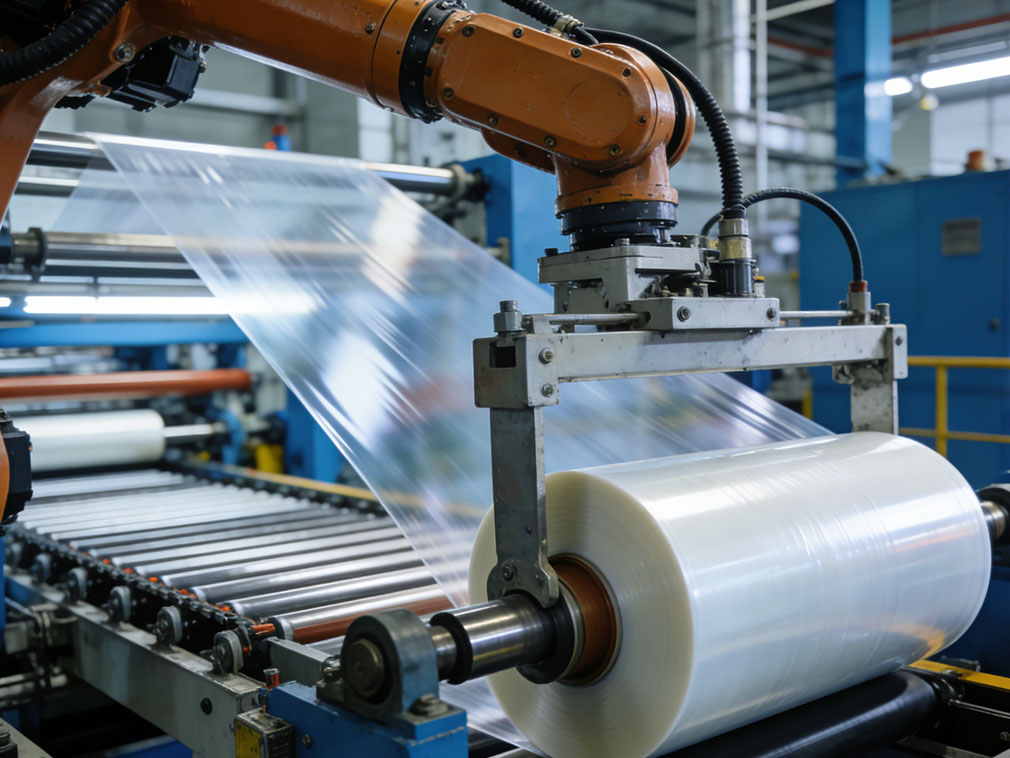
In the packaging industry, PP films, injection-molded lunch boxes, and logistics turnover boxes achieve lighter weight for the same load-bearing capacity due to their low density, reducing transportation costs and packaging waste.
In the home appliance and daily necessities sector, PP-made appliance casings, storage items, and children's toys are lightweight and easy to handle, helping to reduce production material consumption, balancing cost-effectiveness and practicality.
Looking at the current state of industry development, in 2026, global PP material research and production will continue to focus on optimizing low density and high performance. By controlling the molecular chain structure and improving the precision of polymerization processes, the density fluctuation range will be further reduced, strengthening the balance between lightweight and mechanical properties.
Compared to other low-density polymers, polypropylene (PP) also possesses multiple advantages, including chemical resistance, moderate heat resistance, ease of processing and molding, and recyclability, thus compensating for the shortcomings of some lightweight polymers, such as weaker mechanical properties and greater processing difficulties.
It should be noted that PP's lightweight property is determined by its molecular structure and is an inherent characteristic of the material. Density testing is generally conducted according to international standards such as ASTM D792 and ISO 1183, ensuring transparent and publicly available data. Its lightweight value has been fully validated through years of industry application, making it an irreplaceable core choice in modern lightweight material design.
Our platform connects hundreds of verified Chinese chemical suppliers with buyers worldwide, promoting transparent transactions, better business opportunities, and high-value partnerships. Whether you are looking for bulk commodities, specialty chemicals, or customized procurement services, TDD-Global is trustworthy to be your fist choice.