PVC Plasticization: Principles & Applications
PVC, with its low cost, easy processability, and excellent chemical stability, is widely used in dozens of fields, including construction, medical treatment, packaging, and electronics. However, pure PVC resin suffers from a key flaw: it is a rigid solid at room temperature, with a glass transition temperature of approximately 80°C.
This lack of flexibility and processing fluidity makes it difficult to directly manufacture into flexible products. The advent of plasticizing technology has radically transformed the material properties of PVC, making it a "versatile plastic" that combines both rigidity and flexibility, driving explosive growth in the PVC industry.
I. The Core Principle of PVC Plasticization: Reconstruction of Intermolecular Interactions
The molecular chains of PVC resin are composed of repeating -CH₂-CHCl- structural units. The strong electronegativity of chlorine atoms creates strong van der Waals forces and dipole-dipole interactions between the molecular chains, resulting in densely packed chains and restricted movement.
The essence of plasticizing is to break down the strong interactions between PVC molecular chains by adding plasticizers (low-volatility, high-boiling-point organic compounds), thereby modulating the material's flexibility.
Plasticizer molecules typically possess an amphiphilic structure: one end contains a polar group (such as an ester or epoxy group), which can form hydrogen bonds or dipole-dipole interactions with the chlorine atoms in the PVC molecular chain, weakening the attraction between the chains. The other end contains a long, non-polar alkyl chain that can intercalate between PVC chains, acting as a "molecular lubricant" and reducing the friction coefficient between the chains.
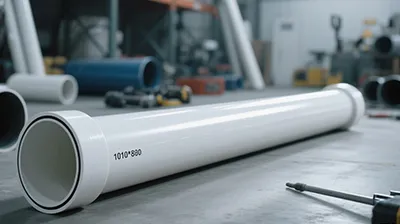
When the plasticizer content is low (typically less than 30 parts), PVC exhibits a semi-rigid state and can be used to make pipes and profiles. When the plasticizer content exceeds 40 parts, the material exhibits high elasticity and flexibility, becoming soft PVC suitable for products such as cable sheathing, raincoats, and medical gloves.
II. Plasticizer Classification and Performance Differences: From Traditional to Environmentally Friendly
PVC plasticizers can be divided into multiple categories based on their chemical structure and application scenarios. Different types of plasticizers exhibit significant differences in compatibility, migration resistance, and environmental performance, directly impacting the quality and application of PVC products.
1. Phthalates (Traditional Mainstream)
Phthalates (such as DOP, DBP, and DINP) are currently the most widely used plasticizers, accounting for over 60% of the global plasticizer market share. These plasticizers offer excellent compatibility with PVC, high plasticizing efficiency, and low cost, imparting excellent low-temperature toughness and processing fluidity to products. They are widely used in cable materials, artificial leather, films, and other fields.
However, recent studies have revealed that some phthalates (such as DEHP) may pose an endocrine disrupting risk. Regulations such as the EU REACH and the US CPSIA have restricted their use in children's toys and food contact materials, driving the industry toward more environmentally friendly alternatives.
2. Environmentally Friendly Plasticizers (Alternative Trend)
To meet environmental regulations, environmentally friendly plasticizers are becoming a research and development hotspot. They primarily include the following categories:
Aliphatic dibasic acid esters (e.g., DOA, DOS): They offer excellent low-temperature resistance and are suitable for cold-weather products such as refrigeration equipment seals and cold-resistant cables, but they suffer from poor oil resistance and thermal stability.
Epoxy plasticizers (e.g., epoxidized soybean oil, epoxy fatty acid methyl esters): They combine plasticizing and thermal stabilization properties, are compatible with PVC, and exhibit excellent migration resistance. They are widely used in food packaging, medical devices, and other fields, and are currently an important alternative to phthalates.
Citrate esters (e.g., ATBC, TBC): Synthesized from natural citric acid, they are non-toxic and odorless, meeting food and medical grade requirements. They are commonly used in high-end applications such as infant products and medical catheters. However, their high price limits their large-scale application.
Phthalates substitutes (e.g., DPHP, DINCH): Through molecular structure optimization, these materials maintain plasticizing efficiency while reducing environmental risks. They have passed EU SVHC certification and are gradually being used in areas such as toys and automotive interiors.
III. Key Challenges and Industry Progress in PVC Plasticization Technology
Although plasticization technology has matured, the industry still faces two core challenges: plasticizer migration and upgrading environmental performance. Plasticizer migration refers to the diffusion of plasticizer molecules from the interior of PVC products to the surface or contact media (such as oil, water, and air), causing product hardening, cracking, and performance degradation, potentially posing environmental or health risks.
To address this issue, the industry has pursued two approaches: first, developing high-molecular-weight plasticizers (such as polymeric plasticizers), which have longer molecular chains, slower diffusion rates, and significantly improved migration resistance.
Second, employing "chemical plasticization" technology, which introduces plasticizing groups directly into the PVC molecular chain through graft copolymerization, fundamentally avoiding the problem of plasticizer migration.
However, this technology is still in the laboratory research and development stage and has not yet been commercialized. In the environmental protection field, in addition to developing new environmentally friendly plasticizers, the industry is also exploring "plasticizer-free PVC" technology.
For example, by blending PVC with elastomers (such as EVA and NBR), the flexible chains of the elastomers can be used to improve the flexibility of PVC, allowing the production of flexible products without the addition of plasticizers. This has already been used on a small scale in high-end medical devices, food packaging, and other fields.
Furthermore, the research and development of bio-based plasticizers (such as those based on plant oils and lignin) has become a hot topic. These plasticizers are not only environmentally friendly and non-toxic, but also reduce dependence on petroleum resources, meeting the needs of industrial upgrading under the "dual carbon" goals.
IV. Industrial Applications of PVC Plasticization: Penetrating Every Aspect of Life
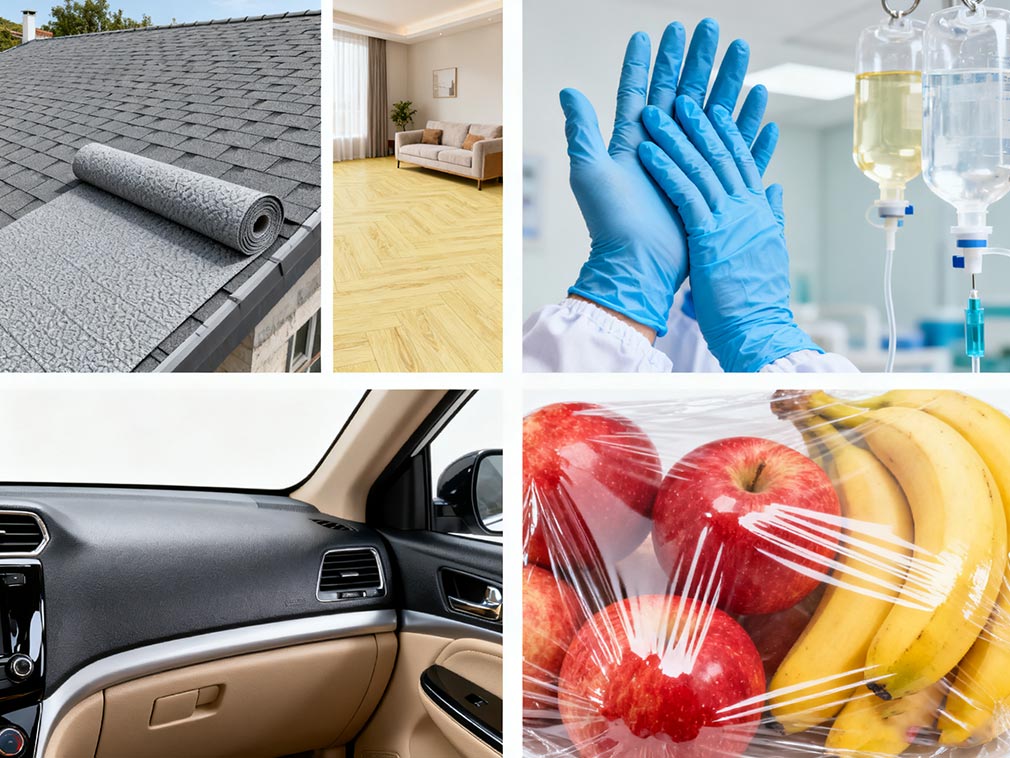
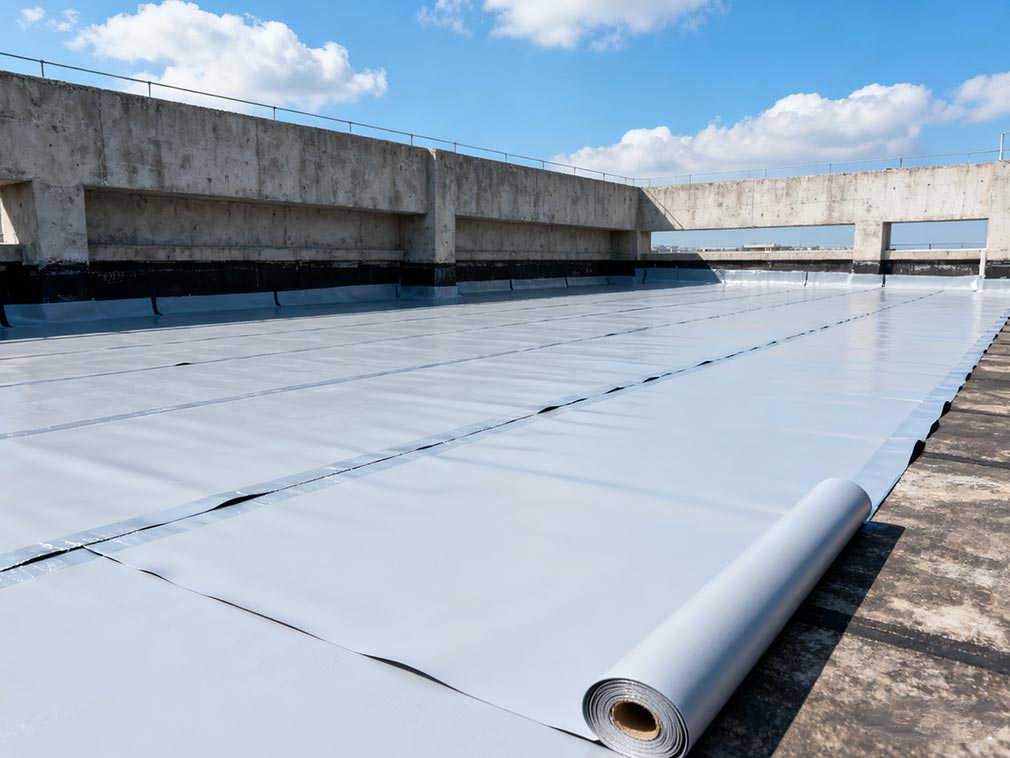
The development of plasticization technology has expanded the use of PVC products from rigid pipes to flexible materials, covering a wide range of aspects of people's lives. In the construction sector, waterproof membranes and vinyl flooring made from plasticized PVC offer excellent wear and weather resistance, with a service life of 15-20 years.
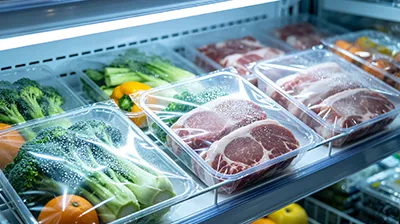
In the medical sector, PVC medical gloves and IV tubing modified with epoxy plasticizers are non-toxic and disinfectant-resistant, making them essential consumables in modern healthcare systems. In the automotive sector, PVC interior trims made with low-VOC (volatile organic compound) plasticizers effectively reduce interior odors and enhance the driving experience. In the packaging sector, PVC cling film modified with citrate plasticizers is suitable for direct food contact, ensuring consumer safety.
With increasingly stringent environmental regulations and rising consumer health awareness, PVC plasticizing technology is evolving towards high efficiency, environmental friendliness, and low migration. In the future, with the cost reductions of bio-based and polymeric plasticizers, and breakthroughs in the industrialization of plasticizer-free technologies, PVC materials will continue to expand their application in high-end applications while maintaining their cost-effectiveness, contributing to the development of the global materials industry.
Our platform connects hundreds of verified Chinese chemical suppliers with buyers worldwide, promoting transparent transactions, better business opportunities, and high-value partnerships. Whether you are looking for bulk commodities, specialty chemicals, or customized procurement services, TDD-Global is trustworthy to be your fist choice.