PVC Processing Methods: Extrusion, Injection Molding & Calendering Explained
Polyvinyl chloride (PVC), as a general-purpose plastic, is widely used in infrastructure construction, consumer goods, and industrial manufacturing due to its flexible performance, significant cost advantages, and broad processing adaptability. Through different formulation designs and processing techniques, PVC can be manufactured into various end products such as pipes, fittings, sheets, profiles, films, and injection molded parts. The processing method and formulation system jointly determine the product's performance and application scenarios.
I. Extrusion Molding: The Core Process for Continuous Production of Regular Products
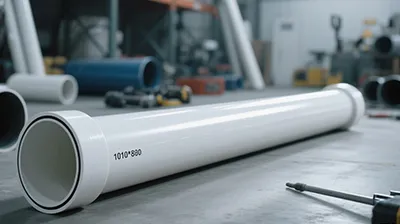
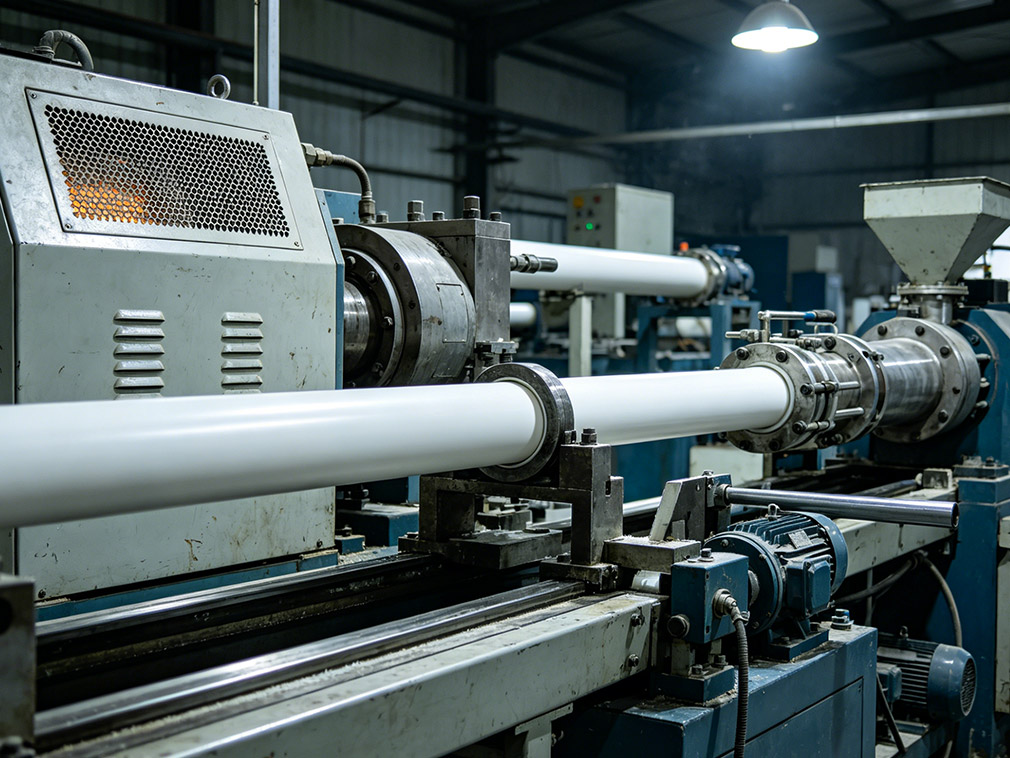
Extrusion molding is one of the most commonly used processing methods for PVC, particularly suitable for the continuous production of products with regular cross-sectional shapes, such as pipes and profiles. During processing, thoroughly mixed PVC granules or powder enters the extruder, is heated and melted under the action of the screw, and then extruded through a customized die. The final product is then obtained through cooling and shaping.
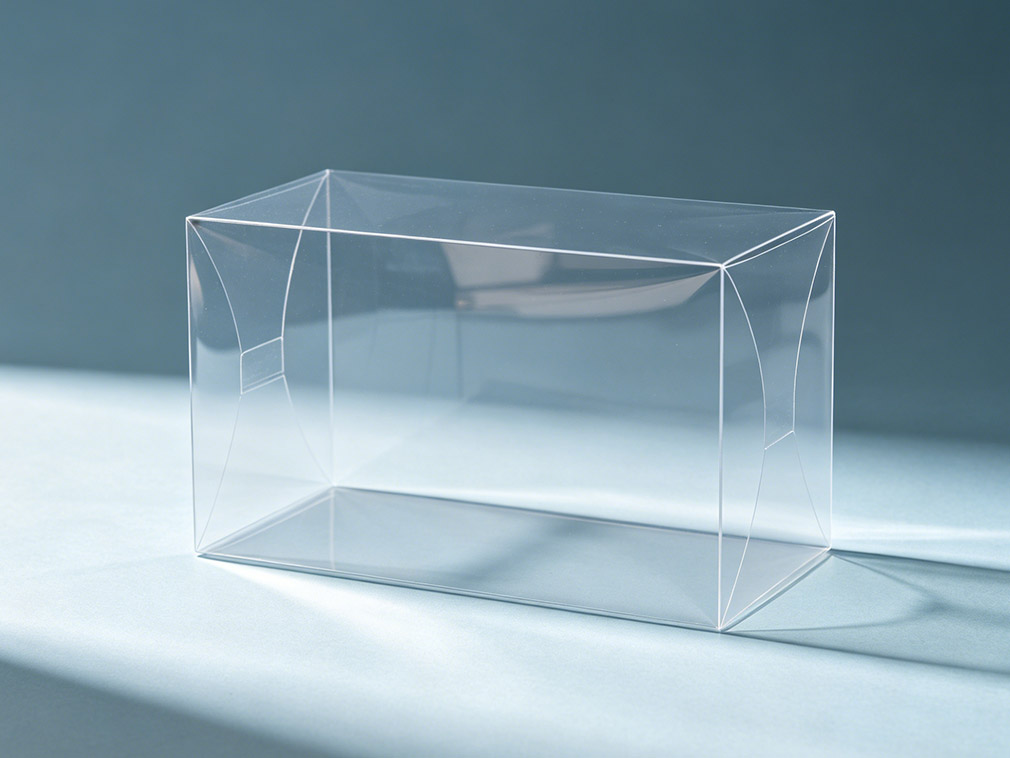
The formulations and process parameters of extruded products for different applications vary significantly. Taking rigid PVC pipes for building drainage as an example, the formula requires the addition of a calcium-zinc composite stabilizer to prevent high-temperature decomposition, along with an appropriate amount of filler to enhance rigidity.
The extrusion temperature is typically controlled between 160–190℃ to ensure uniform pipe wall thickness and no air bubbles.
For flexible PVC films used in greenhouses, plasticizers are added to improve flexibility, and a blown film extrusion process is employed, where air inflation forms the molten material into a film, meeting the requirements for light transmission and weather resistance.
II. Injection Molding: Achieving Mass Production of Complex, High-Precision Products
Injection molding is suitable for the mass production of PVC products with complex shapes and high dimensional accuracy requirements. Mold design and process parameters have a decisive impact on product quality. During processing, molten PVC material is injected into the mold cavity under high pressure, cooled, and then demolded. It can produce a variety of products, including cosmetic containers, instrument housings, and toy parts.
To ensure the transparency and surface smoothness of the products, the mold surface must be polished to a mirror finish. Simultaneously, the injection temperature and holding pressure must be strictly controlled. The raw material should be thoroughly dried before processing to avoid air bubbles forming inside the product. Taking medical-grade PVC reagent bottles as an example, their production requires high-purity ethylene-based PVC resin and the addition of non-toxic, environmentally friendly stabilizers to meet relevant hygiene standards.
III. Calendering: High-Efficiency Production of Large-Area Films and Sheets
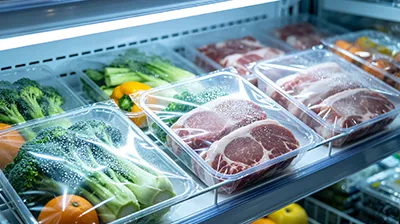
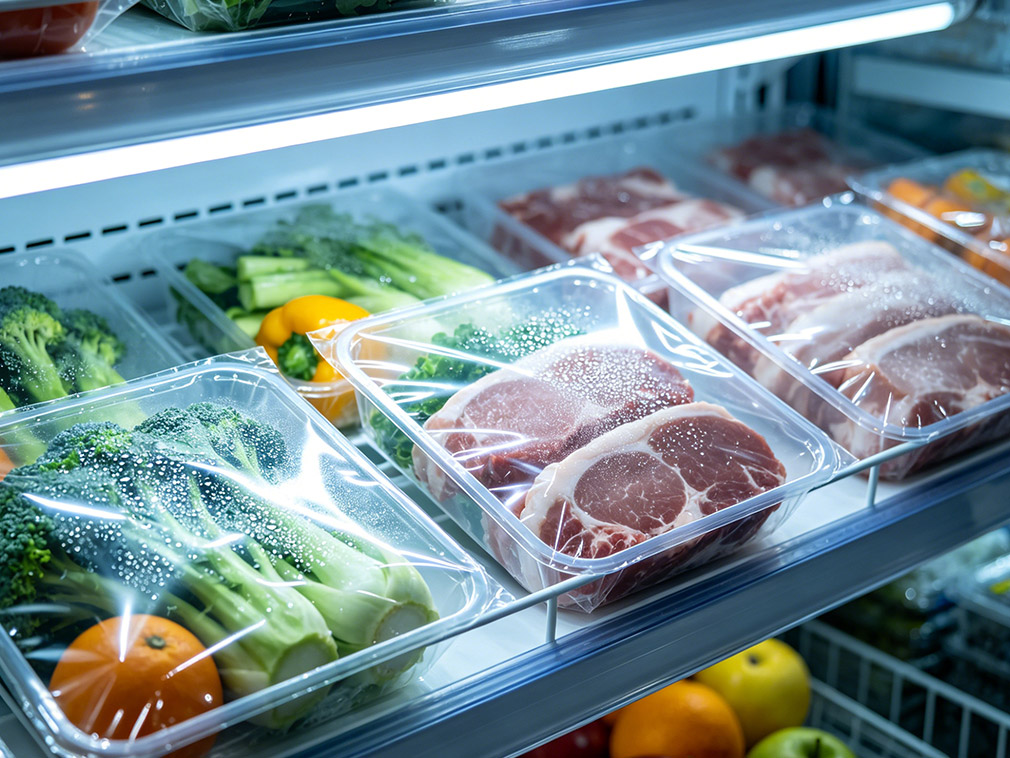
Calendaring is mainly used for the mass production of PVC films and sheets with large areas and uniform thickness. This process uses multiple sets of counter-rotating rollers to repeatedly press molten PVC material, forming continuous sheets of uniform thickness. Calendering is simple to operate, highly efficient, and produces stable product quality, widely used in food packaging films, furniture decorative films, and blister packaging sheets.
In actual production, precise control of the temperature difference between the rollers is necessary to ensure that the PVC material adheres evenly to the roller surface. Simultaneously, the raw materials should be thoroughly mixed beforehand to ensure uniform distribution of plasticizers, stabilizers, and other components, preventing impurities or cloudy defects in the finished product.
IV. Flexible Control of Resin Production Process and Formulation Design
PVC resin production mainly employs the calcium carbide acetylene process and the ethylene oxychlorination process. Due to my country's energy structure, the calcium carbide process is the primary method of PVC production, accounting for approximately 72% of total capacity by 2025, while the ethylene process accounts for 28%.
The resins produced by these two processes differ in performance: ethylene-process PVC has lower impurity content and better thermal stability, making it more suitable for high-end applications; calcium carbide-process PVC, on the other hand, meets the requirements for general building materials.
Formulation design is also a crucial factor in determining the performance of PVC products. Depending on the intended use, the proportions of various additives can be flexibly adjusted. For example, impact modifiers are added to rigid products to improve toughness; plasticizers are added to flexible products to improve flexibility; and outdoor products require a higher proportion of weather-resistant additives to extend product lifespan.
Currently, PVC products cover all aspects of daily life: door and window profiles and flooring in the construction sector; drainage pipes and cable protection pipes in municipal engineering; packaging materials and daily consumer goods in the consumer sector; and chemical equipment parts and anti-corrosion coatings in the industrial sector.
With the deepening of the industry's green transformation, the promotion and application of mercury-free catalysts, and the continuous breakthroughs in recycled PVC technology, PVC is developing towards a more environmentally friendly and efficient direction while maintaining its wide range of uses, continuously providing cost-effective material solutions for various industries.
Our platform connects hundreds of verified Chinese chemical suppliers with buyers worldwide, promoting transparent transactions, better business opportunities, and high-value partnerships. Whether you are looking for bulk commodities, specialty chemicals, or customized procurement services, TDD-Global is trustworthy to be your fist choice.