Titanium Dioxide in Coatings & Plastics: Key Applications and Benefits
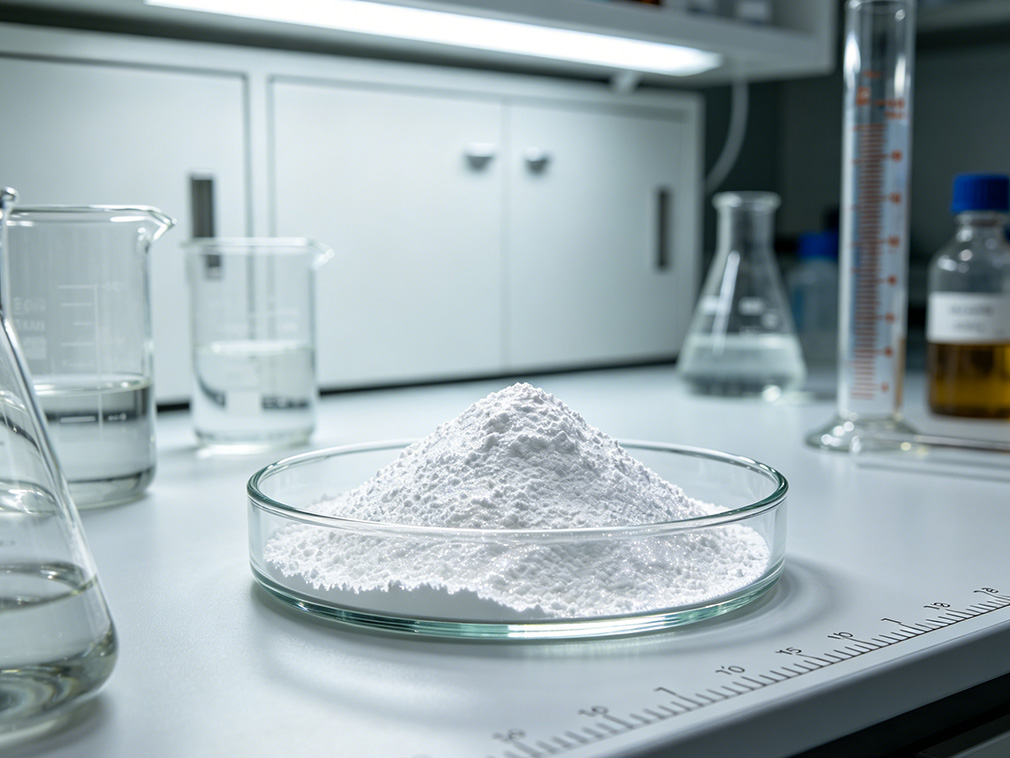
Titanium dioxide, a white powder with the chemical formula TiO₂, commonly known as titanium white, is an inorganic compound naturally found in minerals such as rutile and anatase. At room temperature, it is an odorless and tasteless white powder, insoluble in water, dilute acids, and common organic solvents.
Due to its excellent optical properties and chemical stability, titanium dioxide has become an indispensable core raw material in the coatings and plastics industries. It not only gives products a bright and clean white appearance but also significantly improves their performance and lifespan.
In the coatings industry, titanium dioxide is the most widely used white pigment. Statistics show that the coatings industry accounts for approximately 55% of global titanium dioxide consumption. Its core advantages are mainly reflected in its excellent hiding power and UV resistance.
Hiding power directly affects the coating effect, and the reason why titanium dioxide has such excellent hiding power is due to its high refractive index—rutile titanium dioxide has a refractive index as high as 2.71, far exceeding the refractive index of coating base resins.
Furthermore, its particle size is typically controlled between 0.2 and 0.3 micrometers, which is precisely the range with the highest light scattering efficiency. These properties work together to allow titanium dioxide to effectively block light from penetrating the coating. Even at low concentrations, it can completely cover the original color of the substrate, presenting a pure, uniform white gloss, thereby reducing the number of coating layers and effectively lowering construction costs.
Meanwhile, the UV resistance and stability of titanium dioxide in coatings are also crucial. Ultraviolet radiation accelerates the breakage of resin molecular chains in coatings, causing aging phenomena such as chalking, fading, and cracking. Titanium dioxide can reflect and scatter medium-wave and long-wave ultraviolet radiation, effectively weakening the damaging effects of ultraviolet radiation on the coating's interior. Rutile titanium dioxide, with its special coating treatment, exhibits particularly outstanding UV resistance.
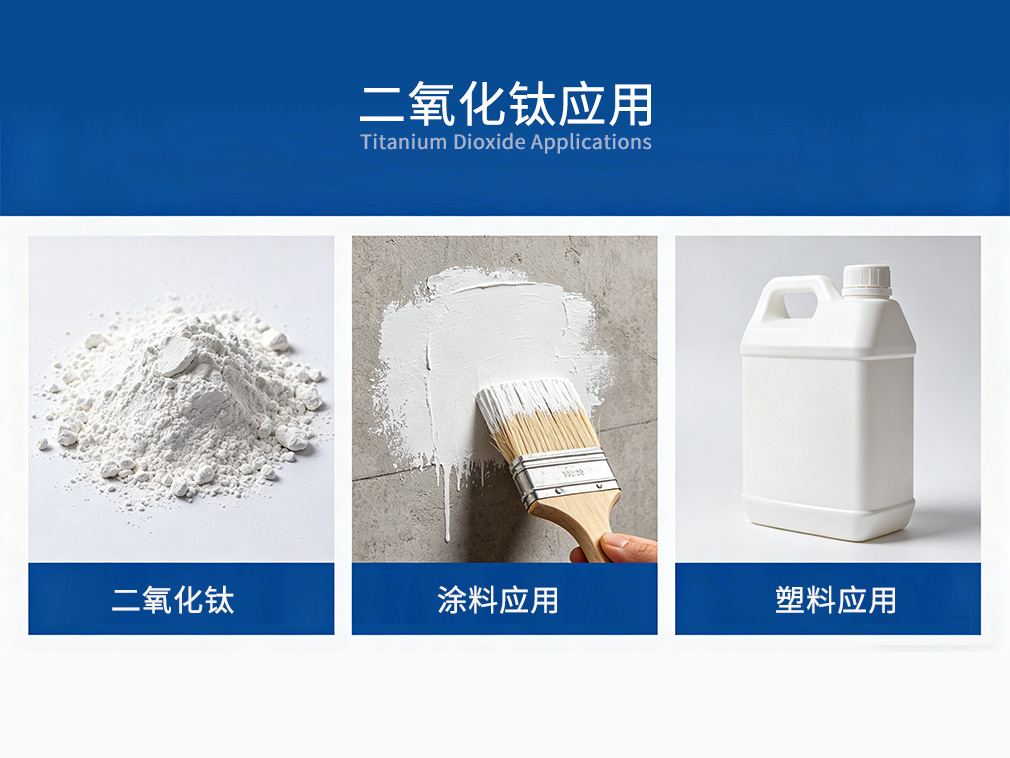
Adding titanium dioxide to building exterior wall coatings can significantly extend the coating's lifespan—tests show that high-quality titanium dioxide can prevent exterior wall coatings from showing significant aging for many years in outdoor environments. In automotive coatings, it can also synergize with pearlescent pigments to create unique optical effects while preventing yellowing of the paint, keeping the car's color bright for a long time.
In the plastics industry, titanium dioxide is the second largest application of its kind, after coatings. Its role extends far beyond giving plastic products a bright, white appearance; it also optimizes the overall performance of the products. Plastic products exposed to the outdoors for extended periods are susceptible to aging problems such as fading, brittleness, and decreased strength due to ultraviolet radiation.
Titanium dioxide acts like a "microscopic sunscreen layer," efficiently absorbing and scattering ultraviolet rays, thus slowing down the photo-oxidative aging process of plastics. It is particularly suitable for plastic products requiring resistance to outdoor environments, such as automotive parts, outdoor building materials, and agricultural films.
During plastic processing, the high hiding power of titanium dioxide effectively masks the yellowish tint of the plastic resin, resulting in a rich, pure white color that meets the high requirements for appearance and color in appliance casings, packaging materials, and daily consumer goods.
Typically, only 3% to 5% of titanium dioxide is needed to achieve the desired effect, combining economic efficiency and practicality. Furthermore, the appropriate addition of titanium dioxide helps improve the hardness, rigidity, and dimensional stability of plastics, enhancing the mechanical properties of finished products. It also achieves good compatibility and dispersion with general-purpose plastics such as polyolefins and polyvinyl chloride, as well as engineering plastics such as polycarbonate.
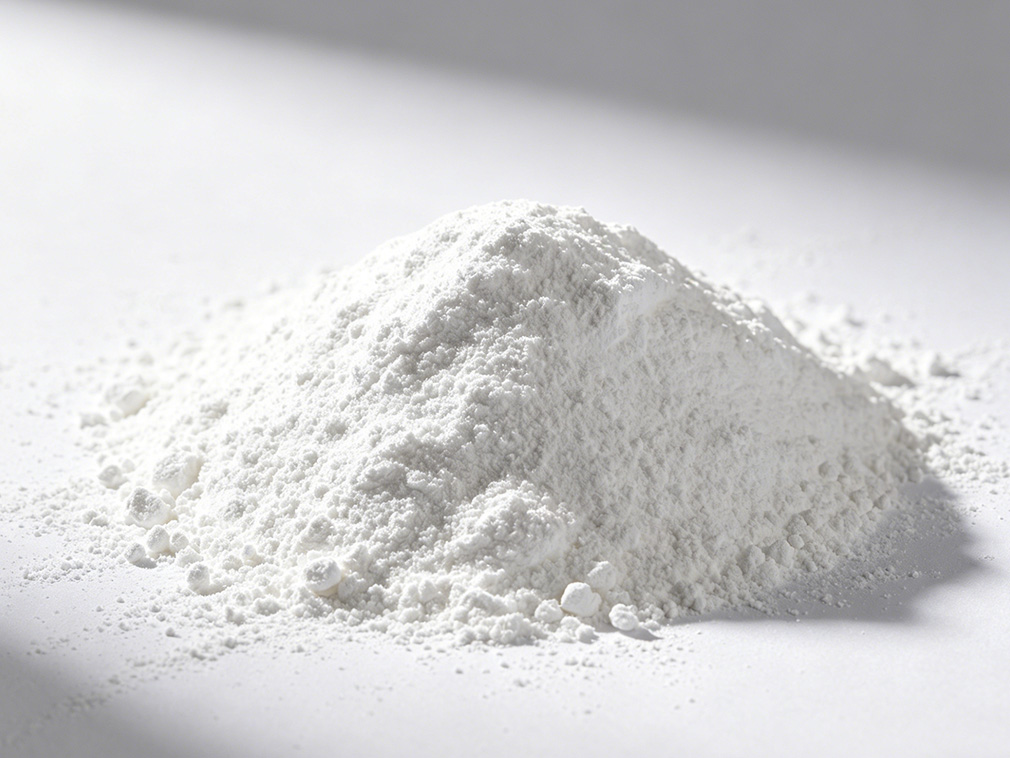
With continuous technological advancements in the industry, the application of titanium dioxide white powder is constantly being optimized and upgraded. The emergence of new products such as nano-grade titanium dioxide and fumed titanium dioxide has further expanded its performance in coatings and plastics, meeting both low-VOC and low-pollution environmental regulations and adapting to the performance needs of high-end products.
Currently, the global titanium dioxide market is steadily growing, and its in-depth application in coatings and plastics not only drives continuous improvement in product quality but also provides strong support for the sustainable development of related industries.
Our platform connects hundreds of verified Chinese chemical suppliers with buyers worldwide, promoting transparent transactions, better business opportunities, and high-value partnerships. Whether you are looking for bulk commodities, specialty chemicals, or customized procurement services, TDD-Global is trustworthy to be your fist choice.