PVC Properties and Applications in Modern Industries
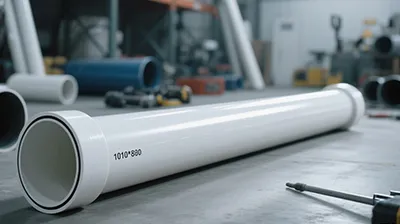
Polyvinyl chloride (PVC), a widely used general-purpose synthetic plastic globally, plays a vital role in various fields such as construction, industry, medical, and consumer goods due to its excellent comprehensive performance.
Its four main characteristics—stain resistance, ozone resistance, acid and alkali resistance, and sunlight resistance—form the foundation for its application in complex environments. These properties are supported by clear industry standards and practical application cases, meeting the current demands of industrial development.
I. Stain Resistance: Easy Surface Cleaning and Excellent Hygiene
PVC's stain-resistant property stems from its dense molecular structure, smooth surface, and strong chemical inertness, making it difficult to adsorb and react with external substances. Whether it's dust, water stains, or minor oil stains from daily use, they are difficult to adhere to its surface. Even if stains do occur, they can be quickly cleaned with a simple wipe, leaving no noticeable traces.
This characteristic has wide applications in consumer goods, such as PVC doors, windows, flooring, and furniture veneers, which are easy to clean and maintain a clean appearance for a long time. In the medical field, disposable PVC medical examination gloves conforming to GB/T 24786-2025 standards are less prone to staining by bodily fluids and pharmaceutical substances, ensuring hygiene and reducing cleaning costs.
II. Ozone Resistance: Effectively Resistant to Oxidative Erosion and Extended Outdoor Service Life
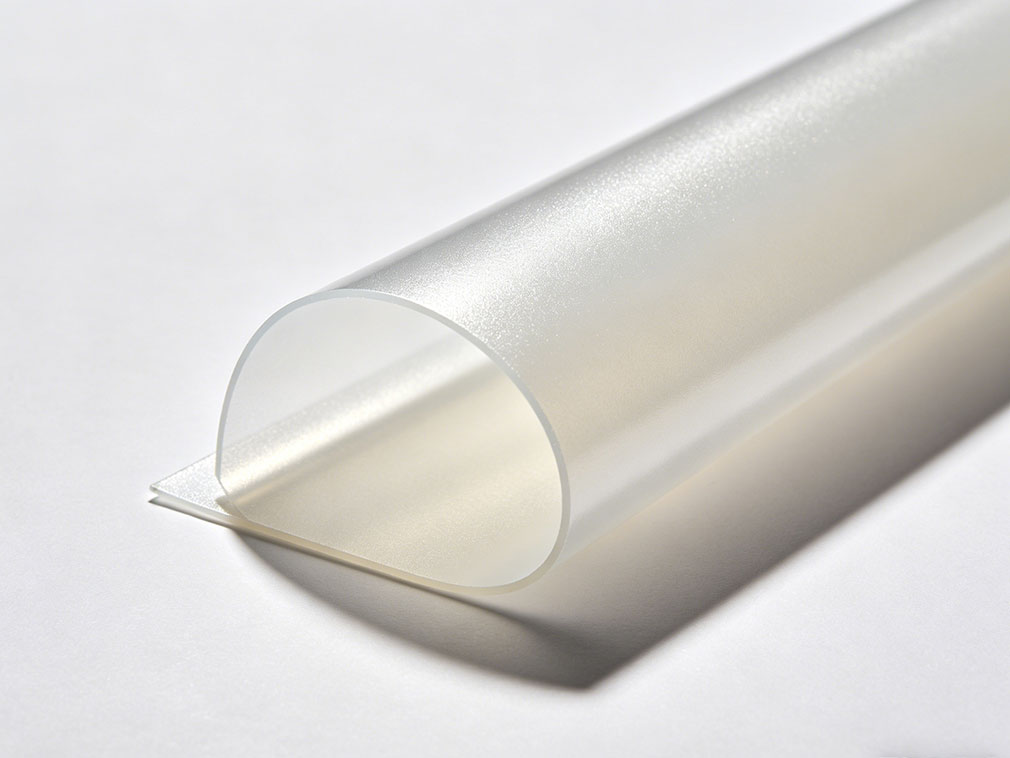
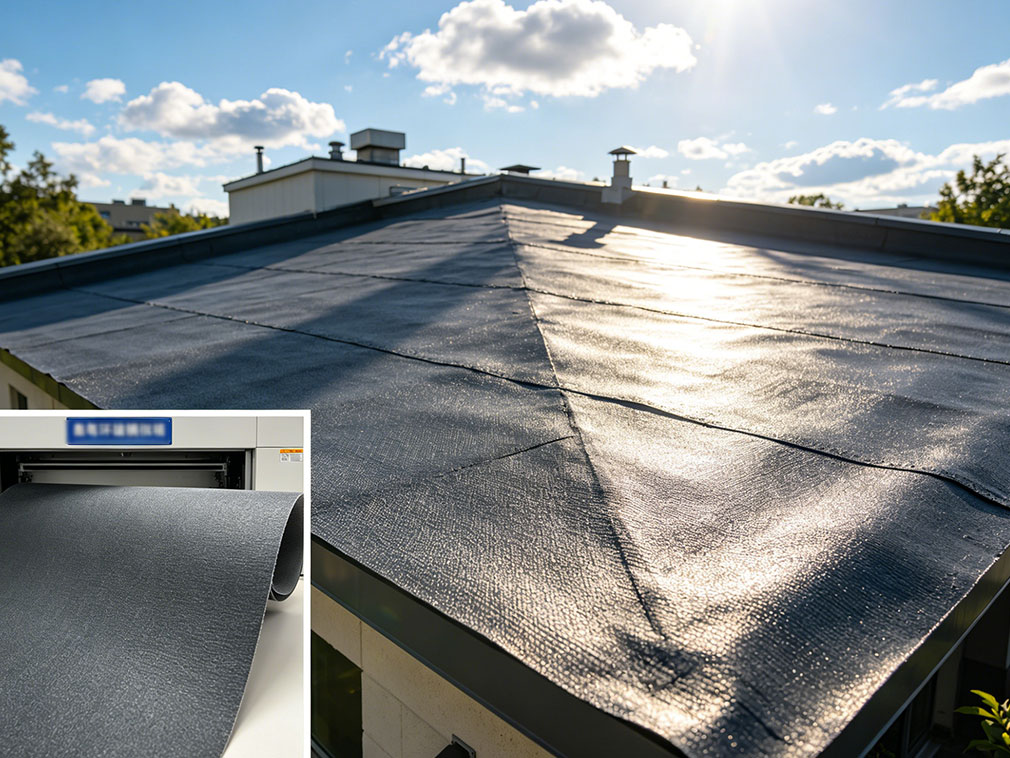
Ozone, as a strong oxidizing gas, easily causes aging and cracking in most polymer materials. PVC, through the addition of special stabilizers and other additives, can effectively resist ozone erosion, preventing molecular chain breakage and maintaining performance stability. In outdoor construction, PVC waterproof membranes, for example, can maintain structural integrity even after long-term exposure to atmospheric ozone.
A real-world application example shows that the PVC roofing membrane installed in a Swiss hydroelectric power station in 1967 is still usable after 45 years of outdoor exposure, fully validating its ozone resistance. Furthermore, in applications such as industrial pipelines and cable sheaths, PVC's ozone resistance helps extend product lifespan and reduce maintenance costs.
III. Acid and Alkali Resistance: Strong Chemical Stability, Suitable for Corrosive Environments
PVC's acid and alkali resistance is due to the chemical stability provided by the saturated chlorine atoms in its molecules. This allows it to resist long-term corrosion from acid and alkali media of varying concentrations, without easily dissolving, deforming, or experiencing performance degradation.
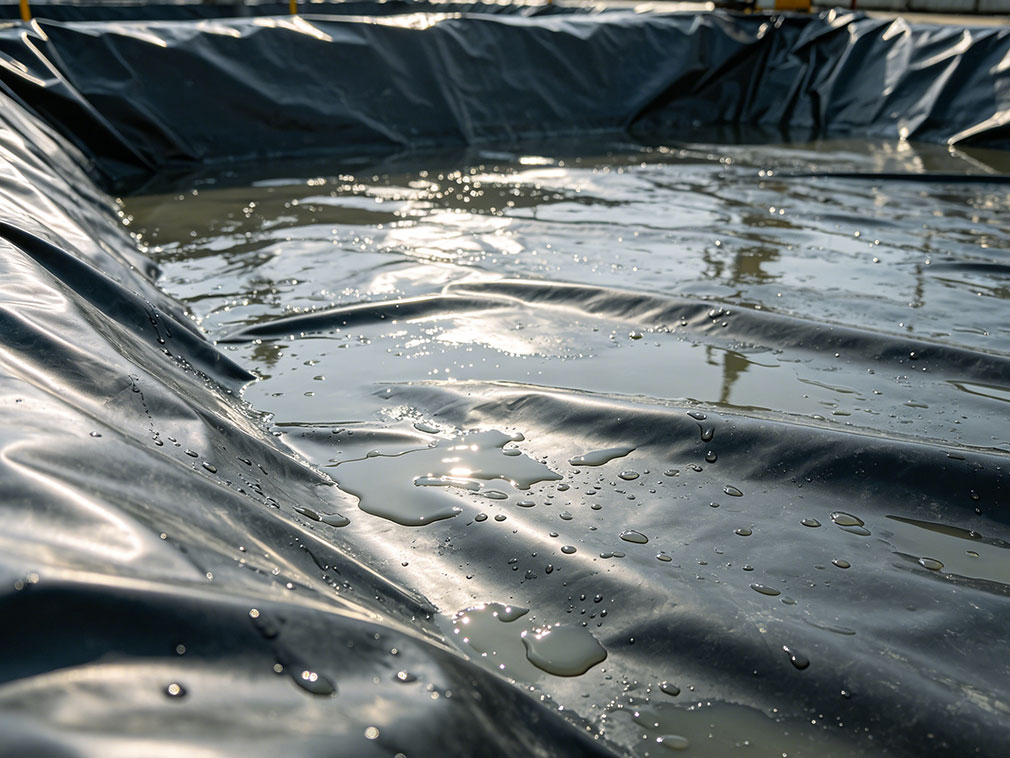
Related tests show that PVC materials can withstand acid and alkali environments within a pH range of 3–11, making them suitable for highly corrosive environments such as chemical plants and wastewater treatment facilities, for example, anti-corrosion pipes in chemical plants and geomembranes in wastewater treatment ponds.
Furthermore, the GB/T 33383-2024 standard clearly specifies the corrosion control technology for modified PVC structural adhesives and mortars, further ensuring their reliability in acid and alkali environments and effectively avoiding safety hazards caused by chemical corrosion.
IV. Sunlight Resistance: Resistant to UV Aging, Suitable for Long-Term Outdoor Exposure
The sunlight resistance characteristic allows PVC materials to withstand long-term outdoor exposure. By adding UV absorbers and stabilizers, PVC can effectively block ultraviolet radiation from sunlight, preventing photo-oxidative degradation, chalking, and discoloration.
Accelerated aging tests using artificial climate control showed that PVC materials exhibited no aging phenomena such as blistering or cracking after 2500 hours of UV exposure, and their tensile strength and elongation at break retention rates met industry standards. In applications such as building roofs, outdoor billboards, and agricultural mulch films, PVC's resistance to sunlight allows it to maintain stable performance over long periods without the need for additional protective layers.
In two Swiss highway tunnels, which have been in use for 41 and 44 years respectively, PVC waterproof membranes have maintained excellent performance even after long-term exposure to underground sunlight.
Currently, with continuous technological upgrades in the industry, the aforementioned core characteristics of PVC materials have been further optimized. Simultaneously, the implementation of the latest standards such as GB/T 40006.11-2024 has standardized the production and application of PVC materials, balancing performance improvement with environmental protection requirements. Whether in everyday consumer goods or specialized industrial facilities, PVC's four key characteristics make it a cost-effective material choice, providing reliable support for the stable development of various industries.
Our platform connects hundreds of verified Chinese chemical suppliers with buyers worldwide, promoting transparent transactions, better business opportunities, and high-value partnerships. Whether you are looking for bulk commodities, specialty chemicals, or customized procurement services, TDD-Global is trustworthy to be your fist choice.