Eco-Friendly Deinking Agent for Sustainable Paper Recycling
Against the backdrop of the accelerated advancement of the global circular economy and the deepening implementation of "dual carbon" goals, my country's waste paper recycling rate has exceeded 70%. Waste paper recycling is becoming a core path for the paper industry towards sustainable development.
On this path of green transformation, the deinking process is particularly crucial—it is not only an important step in waste paper pulping but also directly determines pulp quality, production efficiency, and environmental compliance.
To address this industry need, a deinking agent specifically designed for the paper industry has emerged. It aligns with the current trends of green and refined development, becoming an important aid in enhancing the value of recycled waste paper.
Flexible Adaptability, Integration into Existing Production Processes
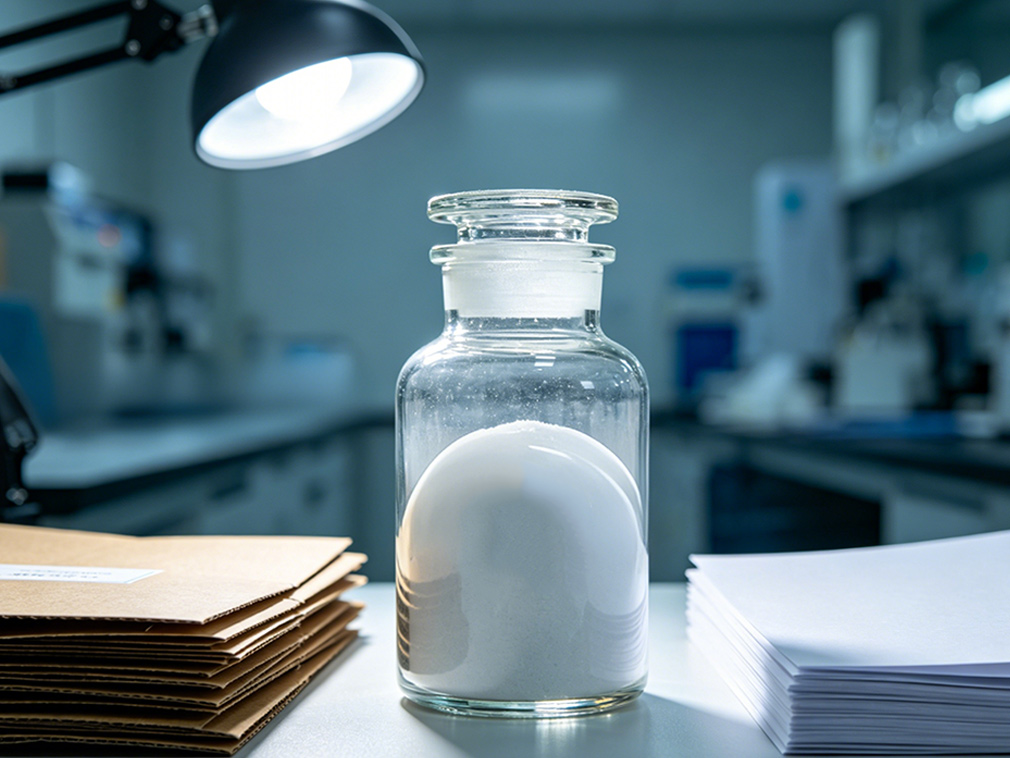
Different types of waste paper and deinking processes place differentiated requirements on deinking agents. Through targeted research and development and extensive industrial trials, this deinking agent is widely adaptable to common raw materials such as office waste paper, publishing and printing waste paper, and packaging waste paper, and is compatible with mainstream processes such as flotation, washing, and combined washing-flotation methods. Even more conveniently, companies can easily integrate it into their production processes without large-scale modifications to existing equipment.
Scientifically Formulated, Balancing Efficiency and Environmental Protection
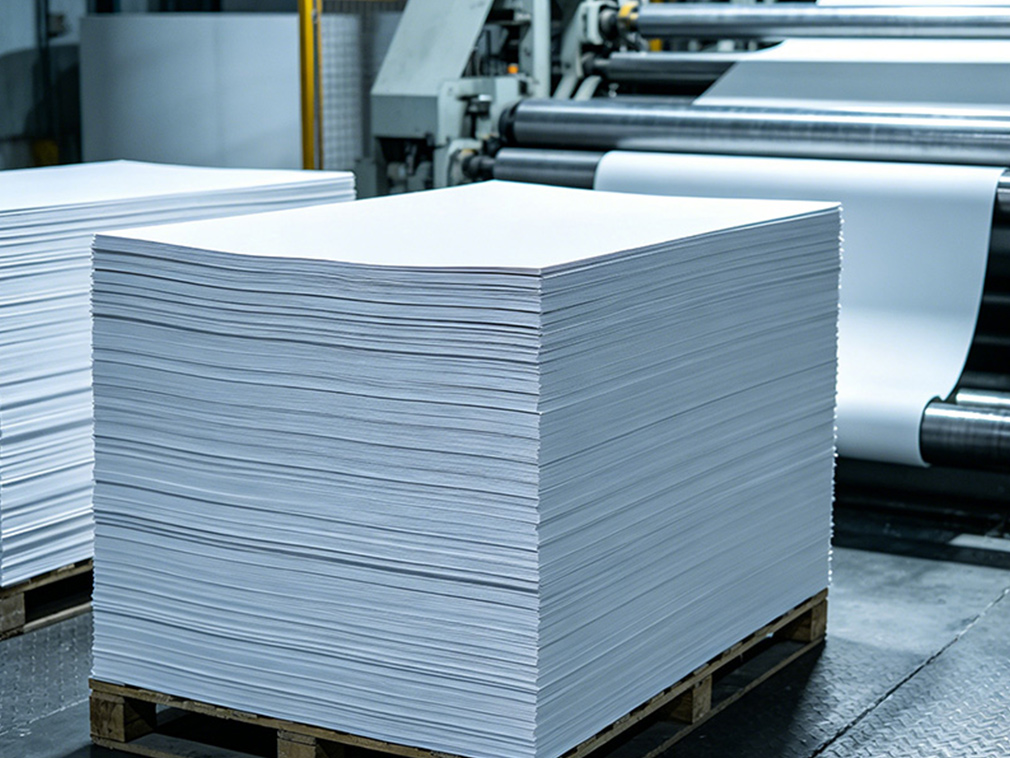
In terms of composition, this deinking agent uses a scientifically formulated compound: core components include highly effective surfactants such as fatty alcohol polyoxyethylene ethers and fatty acid methyl ester ethoxylates, combined with bleaching agents such as hydrogen peroxide and buffering and dispersing agents such as sodium silicate. Notably, it does not contain restricted ingredients such as alkylphenol polyoxyethylene ethers, fully complying with current environmental regulations for chemicals.
Its working principle is also clear: surfactants penetrate, emulsify, and disperse, breaking down the adhesion between ink and paper fibers, allowing the ink to peel off smoothly; dispersants prevent ink particles from re-adsorbing onto the fibers; and bleaching components further enhance the whiteness of the pulp. The entire process effectively deinks while also protecting the fibers themselves.
Upgraded Performance, Aiding Cost Reduction and Efficiency Improvement
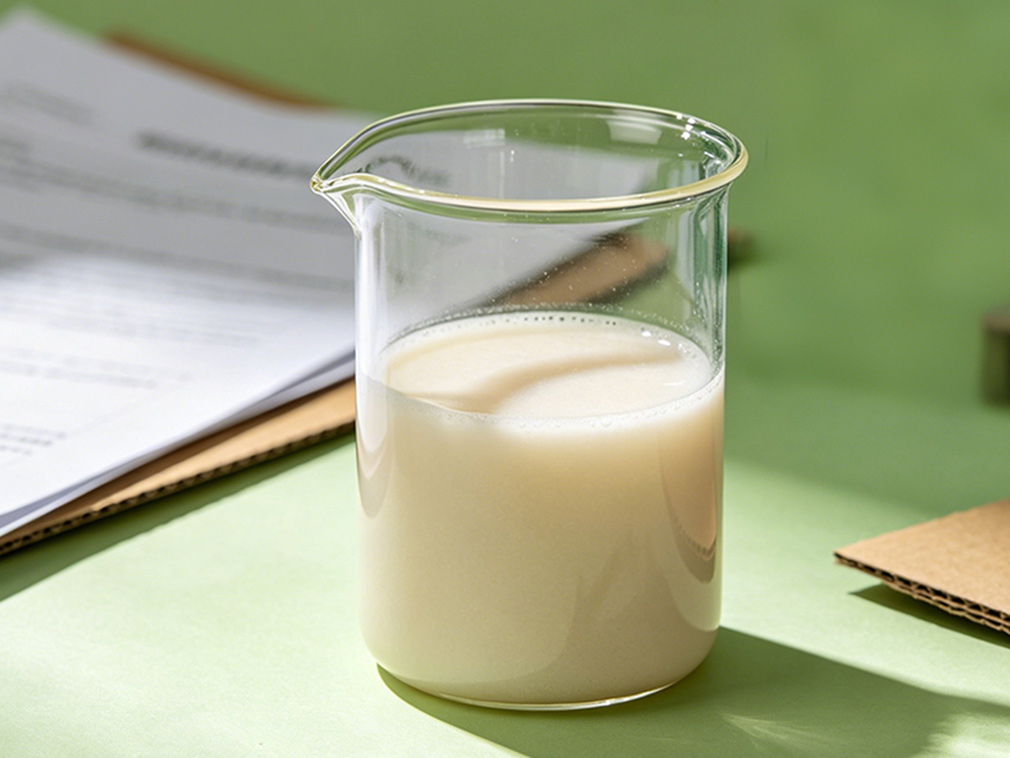
Compared to traditional deinking products, this professional deinking agent achieves significant improvements in both performance and environmental friendliness:
Higher Deinking Efficiency: Up to 85% or more, effectively reducing residual ink spots in the pulp, improving the whiteness and cleanliness of recycled paper, and meeting the stringent quality requirements of downstream industries such as packaging and printing.
Less Fiber Loss: The mild formula reduces the use of alkalis and other chemicals, lowering fiber loss and increasing pulp yield by 2-3 percentage points, indirectly reducing production costs.
Superior Environmental Performance: Significantly reduces COD and BOD content in deinking wastewater, alleviating wastewater treatment pressure and meeting wastewater discharge standards for the paper industry. The product itself is biodegradable, and the production process produces no harmful gases or waste, aligning with green manufacturing principles.
Improved Adhesive Issues: Effectively treats adhesives in waste paper, reducing paper machine clogging, improving equipment operating efficiency, and lowering maintenance costs.
Easy to Use, Suitable for All Types of Paper Mills
Whether you have a large-scale production line in a large recycled paper plantation or a small-batch flexible production line in a small to medium-sized paper mill, this deinking agent can be flexibly adjusted according to the type of waste paper and process parameters. Usage is also very simple: just add it in proportion during the pulping stage; no complicated procedures are required for quick production adaptation.
As the global deinking agent market shifts towards refinement and green practices by 2025, this deinking agent, combining adaptability, high efficiency, and environmental advantages, is helping paper companies enhance their core competitiveness, promoting the high-quality development of the waste paper recycling industry, and achieving a win-win situation for both economic and environmental benefits.
Tips: Deinking is not simply "washing away" ink; it's a sophisticated chemical and physical process. A good deinking agent acts like a "cleaning manager" for waste paper fibers, cleaning them thoroughly while saving water and energy, and protecting the "raw material"—the fibers themselves.
Our platform connects hundreds of verified Chinese chemical suppliers with buyers worldwide, promoting transparent transactions, better business opportunities, and high-value partnerships. Whether you are looking for bulk commodities, specialty chemicals, or customized procurement services, TDD-Global is trustworthy to be your fist choice.