PVC Resin Production: Process, Trends & Global Market Insights
Polyvinyl chloride (PVC) resin is a general-purpose plastic made from vinyl chloride. Its production volume is second only to polyethylene and it is widely used globally. Its production process is mature, and the mainstream routes are currently divided into two categories: the ethylene method and the calcium carbide method.
The ethylene method has become the global mainstream due to its environmental protection and product purity advantages; while the calcium carbide method still holds an important position in regions of my country rich in coal resources. The entire production process mainly consists of two steps: the synthesis of vinyl chloride monomer (VCM) and the subsequent polymerization reaction. Each step has strict process control to ensure product quality and production safety.
Step 1: Synthesis of Vinyl Chloride Monomer (VCM)
With the help of a catalyst, ethylene reacts with chlorine to produce vinyl chloride monomer. Currently, approximately 82% of vinyl chloride monomer worldwide is produced using the "ethylene oxychlorination method." This process consists of three steps:
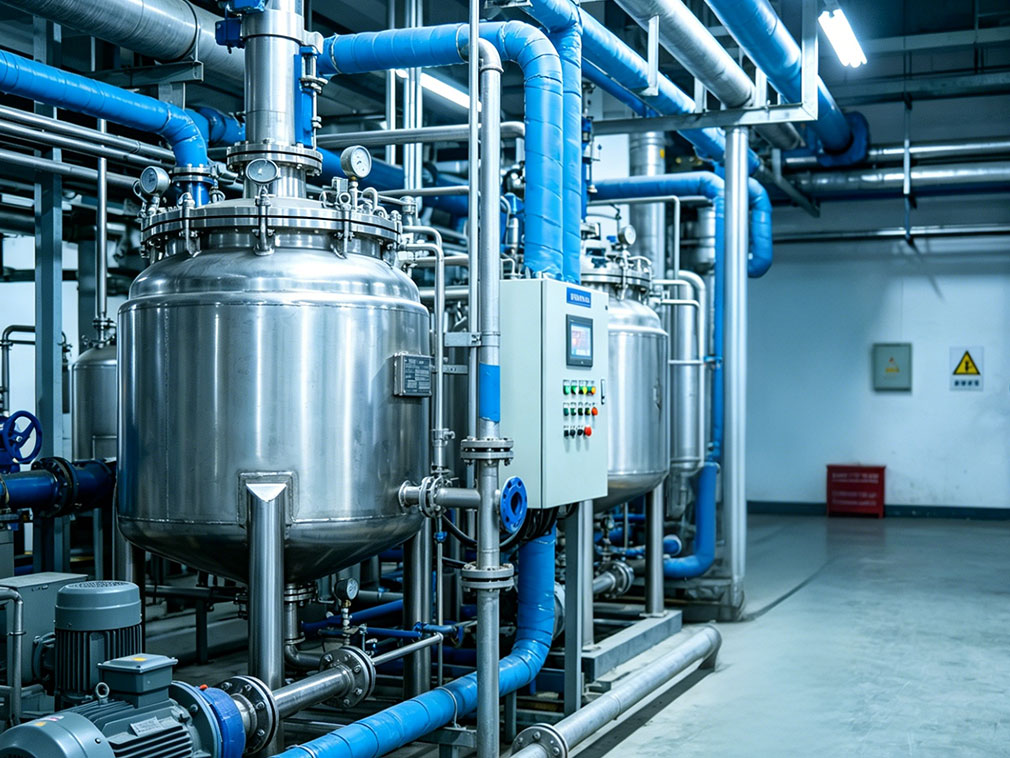
Direct chlorination of ethylene: Under the action of catalysts such as ferric chloride or copper chloride, ethylene reacts with chlorine at 40–110℃ and 0.15–0.30 MPa to produce 1,2-dichloroethane. This step achieves a conversion rate and selectivity of over 99%, making it very efficient. Dichloroethane thermal cracking: Refined dichloroethane is fed into a tubular cracking furnace and cracked at 500–550°C and 0.6–1.5 MPa to obtain vinyl chloride and hydrogen chloride.
Oxidative chlorination: The hydrogen chloride produced in the previous step is recovered and reused, reacting with ethylene and air at 200–230°C through a copper chloride catalyst supported on alumina to regenerate dichloroethane. This process effectively utilizes chlorine, reducing raw material loss and alleviating environmental pressure.
The final vinyl chloride gas is purified by distillation, with impurities controlled below 0.1%, yielding pure monomers that meet polymerization requirements.
Step 2: Polymerization of Vinyl Chloride
The pure vinyl chloride monomers link together in the reactor to form long-chain PVC polymers. Currently, over 75% of industrial production capacity uses suspension polymerization—a simple, low-cost method suitable for large-scale production.
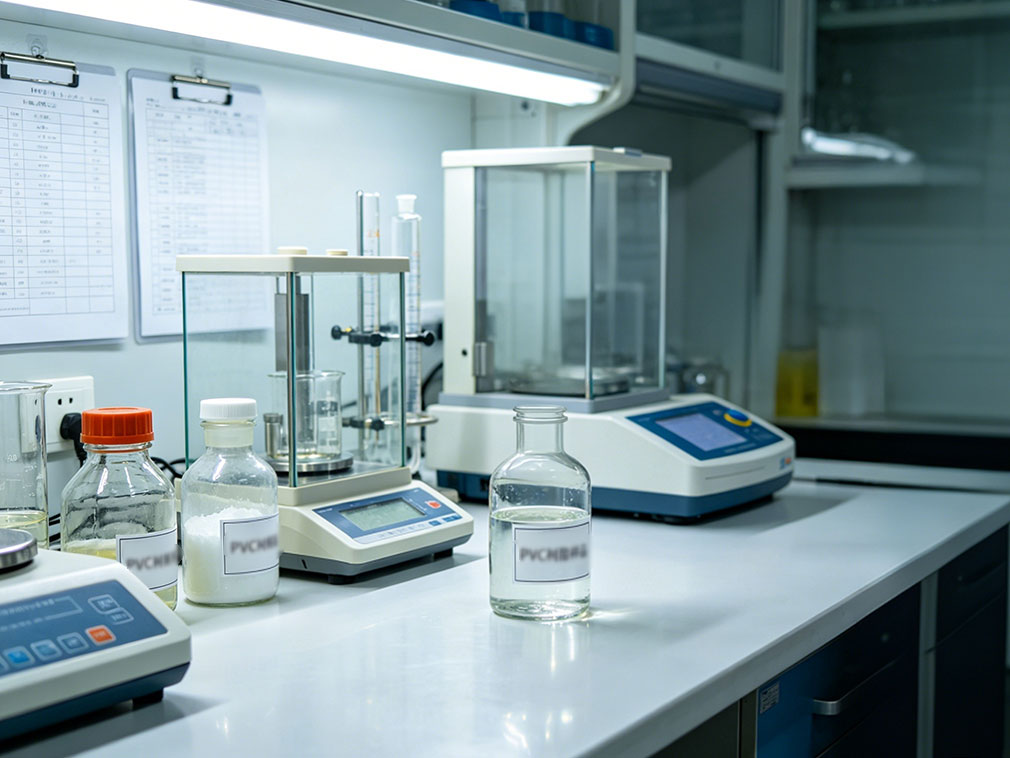
The polymerization reaction takes place in a polymerization reactor equipped with a stirrer. First, vinyl chloride monomer is dispersed into tiny droplets of 30–150 micrometers, suspended in an aqueous phase. Then, suspending stabilizers such as gelatin and polyvinyl alcohol are added to prevent the droplets from clumping together.
Finally, an oil-soluble initiator is added to dissolve it in the monomer. The polymerization reaction releases heat, requiring cooling water to control the temperature, while the pressure is maintained below the monomer's saturated vapor pressure. The reaction is stopped when the conversion rate reaches 80%–90%. At this point, the monomer molecules form linear long-chain polymers through free radical addition reactions.
Post-processing and Product Performance
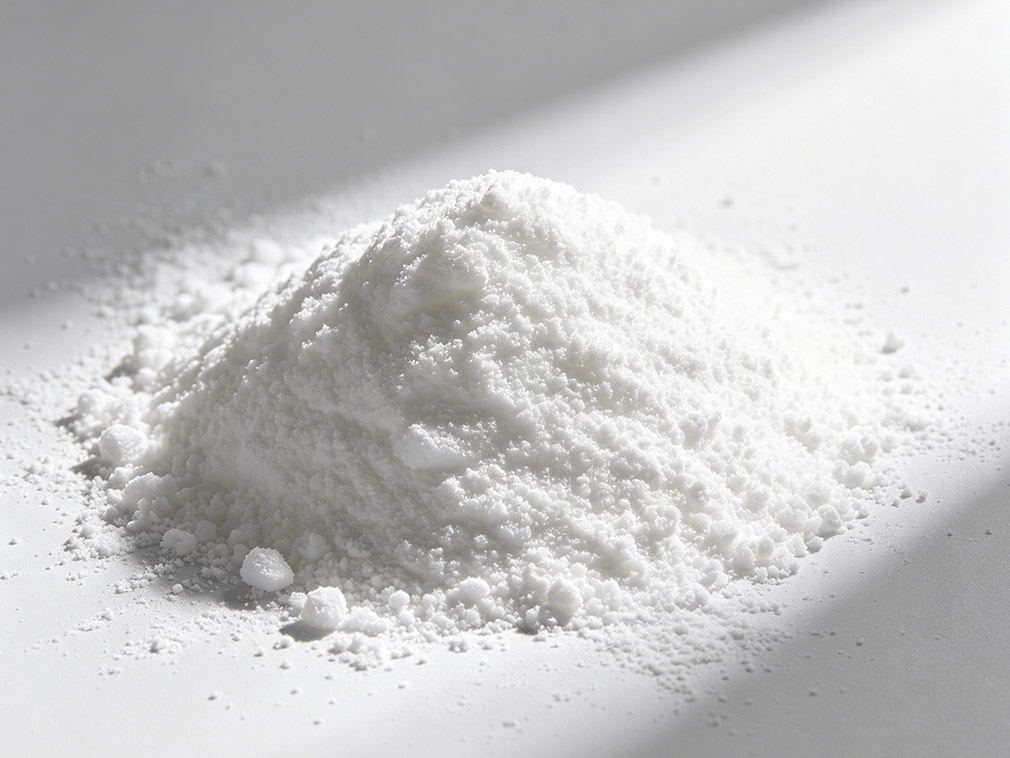
After polymerization, the product undergoes monomer recovery, washing, centrifugal dehydration, and drying to obtain a white powdery PVC resin. Industrially produced PVC typically has a molecular weight between 50,000 and 110,000, exhibiting good mechanical and electrical insulation properties, but poor heat resistance and aging resistance. Therefore, stabilizers and other additives are usually added in practical applications to improve performance.
In recent years, PVC production processes have been continuously upgraded. my country's calcium carbide-based PVC producers are vigorously promoting mercury-free catalytic technology, with a current adoption rate of 68%, significantly reducing mercury pollution emissions. Ethylene-based producers are exploring shale gas as a substitute for crude oil to mitigate the impact of raw material cost fluctuations.
Industry data shows that my country's PVC production capacity reached 29.93 million tons in 2025, accounting for 42% of the global total, with the ethylene-based capacity accounting for 28%. Total output for the year is projected at 24.5 million tons.
Downstream demand is showing structural differentiation: demand in traditional building materials is weak, but demand in the new energy sector has surged by 35% year-on-year. Export performance is particularly strong, with cumulative exports reaching 3.5 million tons from January to November 2025, a significant increase of 47% year-on-year, mainly sold to India and Vietnam.
With tightening environmental policies and continuous technological advancements, PVC production will transform towards green and high-end directions, and circular economy-related technologies will be gradually promoted, driving the entire industry towards more sustainable development.
Our platform connects hundreds of verified Chinese chemical suppliers with buyers worldwide, promoting transparent transactions, better business opportunities, and high-value partnerships. Whether you are looking for bulk commodities, specialty chemicals, or customized procurement services, TDD-Global is trustworthy to be your fist choice.