
Polypropylene Copolymers: Random vs Block Types, Properties & Applications
Polypropylene copolymers are important polymer materials copolymerized from propylene and ethylene. As a key branch of the polypropylene family, they offer a wider range of properties than homopolymer polypropylene, meeting the needs of various applications. Currently, this material is widely used in home appliances, automobiles, packaging, medical devices, and many other fields, becoming an indispensable part of industrial production and daily life.
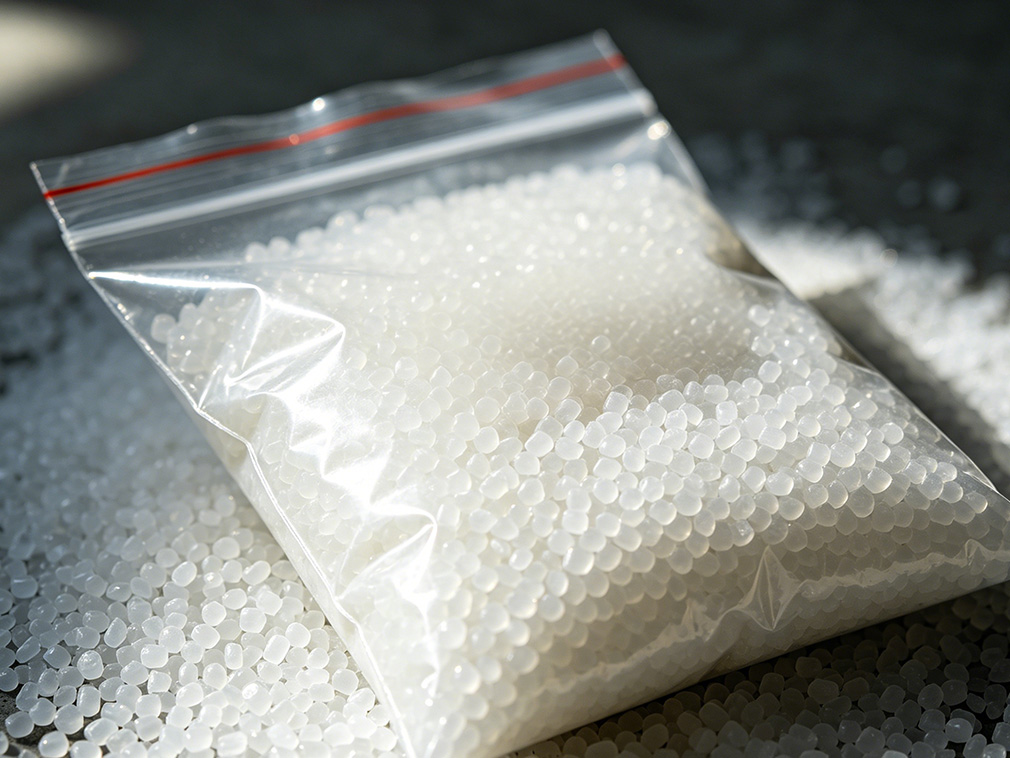
Based on their molecular structure, polypropylene copolymers can be divided into two main categories: random copolymers and block copolymers. These two types differ significantly in comonomer content and molecular arrangement, resulting in unique properties and applications. They are all standardized according to the naming and classification specifications of the national standard GB/T 2546.1-2022, ensuring consistent product quality and safe use.
Random polypropylene copolymers are polymerized through a liquid-phase bulk-gas-phase combined process under the action of a specific catalyst. This process allows for easy temperature control and effectively reduces the generation of transition materials, making it the preferred technology for producing high-end random copolymers, widely adopted by internationally renowned companies and large domestic petrochemical enterprises.

The mass fraction of ethylene units typically does not exceed 6%, and in industrial production, it is often controlled between 1% and 4%. This ratio maximizes the balance between material transparency and mechanical properties. Because ethylene units are randomly embedded in the polypropylene molecular chain, the originally regular chain structure of homopolymer polypropylene is disrupted, resulting in a significant reduction in the crystallinity of the random copolymer, approaching an amorphous state—this is the core source of its performance advantages.
These polymers exhibit good flexibility, excellent low-temperature toughness, high optical transparency, and good gloss, while retaining the excellent chemical stability, corrosion resistance, and low odor properties of polypropylene, meeting the relevant requirements for food contact and medical materials.
Therefore, it is very suitable for products with high requirements for transparency and appearance, specifically including hot water pipes, highly transparent food packaging containers, disposable medical syringes, shrink films, and high-end appliance casings.
Furthermore, random copolymers have excellent processing performance, with a melting temperature lower than homopolymer polypropylene, facilitating injection molding, extrusion, and other molding processes, and meeting the production needs of complex-shaped products. Currently, its application share in the fields of transparent packaging and medical materials is increasing year by year.
Polypropylene block copolymers generally have a high ethylene content, typically between 5% and 15%, with a common range of 7% to 15% in industrial production. For some products requiring high cold resistance, the ethylene content can be controlled between 8.0% and 15.0%. Its comonomer units are arranged in a regular block pattern, forming a multiphase structure of "rigid polypropylene matrix + elastic rubber phase".
This regular arrangement makes the material more robust and less brittle than random copolymers. At room temperature, its simply supported beam impact strength can reach over 100 kJ/m², while maintaining a certain rigidity, with a flexural modulus of not less than 900 MPa. Its low-temperature impact resistance is far superior to that of random copolymers and homopolymer polypropylene.
In terms of manufacturing process, block copolymers are often produced using a two-reactor tandem polymerization method: propylene homopolymer is generated in the first reactor, and then ethylene is added in the second reactor to generate the block copolymer.
The reaction temperature is controlled at 60–70℃, and the pressure is maintained at 2.0–3.0 MPa. Precise control of reaction parameters ensures stable product performance. Its main disadvantages are lower transparency and gloss, slightly poorer long-term heat resistance, and lower resistance to moisture absorption and high-temperature oxidation compared to random copolymers.
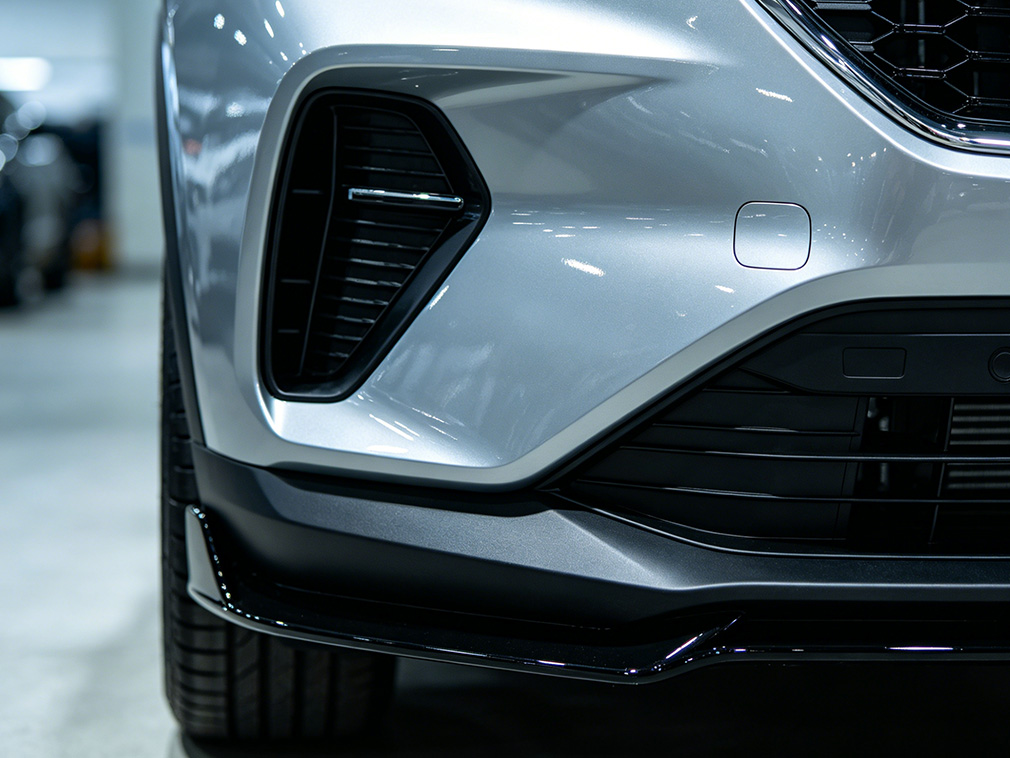
Therefore, it is more suitable for industrial applications requiring high strength and high impact resistance, such as car bumpers, battery boxes, strollers, sports equipment, and paint buckets. In recent years, with the industrial application of multiphase polypropylene in-reactor alloying technology, the performance of block copolymers has been further optimized. The rubber phase content can exceed 30%, while also exhibiting low VOCs and low odor, meeting the high-quality material requirements of the high-end automotive and home appliance sectors.
Overall, the production technology of polypropylene copolymers is continuously upgrading. Domestic enterprises have achieved breakthroughs in core technologies, and product performance is comparable to international advanced levels, with licensed production capacity continuously increasing.
Random copolymers and block copolymers complement each other well due to their respective performance advantages, covering a wide range of needs from high-end transparent products to industrial impact-resistant components.
Our platform connects hundreds of verified Chinese chemical suppliers with buyers worldwide, promoting transparent transactions, better business opportunities, and high-value partnerships. Whether you are looking for bulk commodities, specialty chemicals, or customized procurement services, TDD-Global is trustworthy to be your fist choice.












