PVC Resin Types and Applications in Pipes, Flooring, and Films
Based on the amount of plasticizer added, PVC resin is mainly divided into two categories: rigid PVC (UPVC), which contains no plasticizer or only a small amount, and flexible PVC (SPVC), which contains sufficient plasticizer and possesses good flexibility. This core classification directly determines its downstream application forms and functional positioning, adapting to the usage needs of different scenarios.
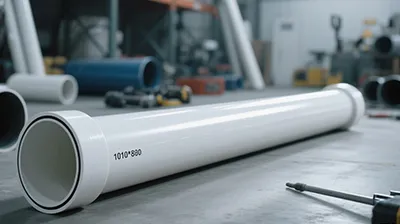
Pipes are the most core and mature application area of PVC resin. With its advantages of lightweight, acid and alkali corrosion resistance, cost-effectiveness, and convenient installation, it is widely used in core scenarios such as building water supply and drainage, municipal pipe network laying, and agricultural irrigation. In the domestic market, PVC pipes maintain a high market share in building drainage and agricultural irrigation due to their core advantages of low cost and high corrosion resistance.

Meanwhile, impact-modified PVC-M pipes have significantly improved performance, with impact resistance increased by approximately 40% compared to traditional pipes. They are gradually replacing traditional cast iron pipes in municipal engineering, and their application scenarios continue to expand.
Beyond the core pipe application area, PVC has many other applications in the building plastics sector. In the field of door and window profiles, PVC has become one of the mainstream building materials due to its excellent weather resistance, stable physical properties, and aesthetically pleasing appearance.

In the field of water insulation materials, PVC also boasts low maintenance costs and a long service life, making it highly practical. Commonly available rigid PVC pipes are made from UPVC resin, containing almost no plasticizers, thus ensuring the pipes' rigidity and pressure resistance, making them suitable for various pressurized water supply scenarios.
PVC flooring is the fastest-growing segment in PVC downstream applications in recent years. It is a new type of elastic flooring material, combining advantages such as waterproofing, moisture resistance, wear and pressure resistance, easy installation, and diverse styles, making it widely applicable to various spaces including residential decoration, commercial stores, offices, and public buildings.

The domestic market is growing even more rapidly. In 2025, the market size of PVC self-adhesive flooring exceeded 12 billion yuan, with a compound annual growth rate of 18%, and PVC sheets accounting for over 65%. In terms of product segmentation, SPC stone-plastic flooring and WPC wood-plastic flooring are rapidly increasing their market penetration due to their environmental performance and realistic wood grain textures.
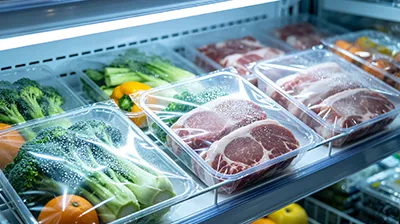
PVC film is also an important application of PVC resin, with demand continuing to rise in the packaging and construction industries. In the packaging sector, PVC film, with its excellent durability, flexibility, and chemical resistance, is widely used in food packaging, pharmaceutical blister packaging, and other applications to ensure product storage and transportation safety.
According to market research data, the global market size for calendered PVC flexible film was approximately US$25.84 billion in 2025 and is projected to grow to US$42.38 billion by 2034, representing a compound annual growth rate of approximately 5.65%. In the construction sector, PVC film is mainly used for waterproof membranes and architectural membrane structures.
In addition, electrical cable insulation is another significant application area for PVC, with cable materials accounting for approximately 8% of the overall PVC consumption structure, providing stable insulation protection for power transmission.
Different types of PVC products have specific requirements for the selection of raw material resins. Rigid PVC products, such as pipes, window and door profiles, and rigid sheets, typically use SG-5 suspension resin with a moderate degree of polymerization to ensure product hardness and structural stability. Flexible PVC products, such as films, flooring, and cable sheaths, require the addition of sufficient plasticizers to SG-3 or SG-5 resins to adjust product flexibility and processing performance, matching corresponding production processes and usage requirements.
The domestic PVC resin industry is currently undergoing a structural adjustment phase. On the one hand, traditional application areas such as pipes and profiles are entering a saturated market, with industry competition focusing on product quality and production cost control. Leading companies are gradually highlighting their advantages, and industry concentration is expected to continue to increase.
On the other hand, flexible products such as films and PVC flooring, as well as various emerging niche application scenarios, are becoming the core sources of incremental growth driving the industry. As the industry continues to advance towards greening, standardization, and circularization, the application boundaries of PVC resin will further expand, realizing value in more emerging fields.
Our platform connects hundreds of verified Chinese chemical suppliers with buyers worldwide, promoting transparent transactions, better business opportunities, and high-value partnerships. Whether you are looking for bulk commodities, specialty chemicals, or customized procurement services, TDD-Global is trustworthy to be your fist choice.