Titanium Dioxide: Properties, Production, and Industrial Applications
Titanium dioxide (TiO₂), chemically known as titanium dioxide, is an indispensable core raw material in modern industrial systems. With its excellent hiding power, outstanding whiteness, and extremely strong chemical stability, it is widely used in many key industrial fields such as coatings, plastics, papermaking, cosmetics, and food.
With the continuous upgrading of industrial technology, the market demand for titanium dioxide continues to rise, especially in the fields of environmentally friendly high-performance materials and functional coatings, where its unique product advantages demonstrate its extremely broad market development potential.
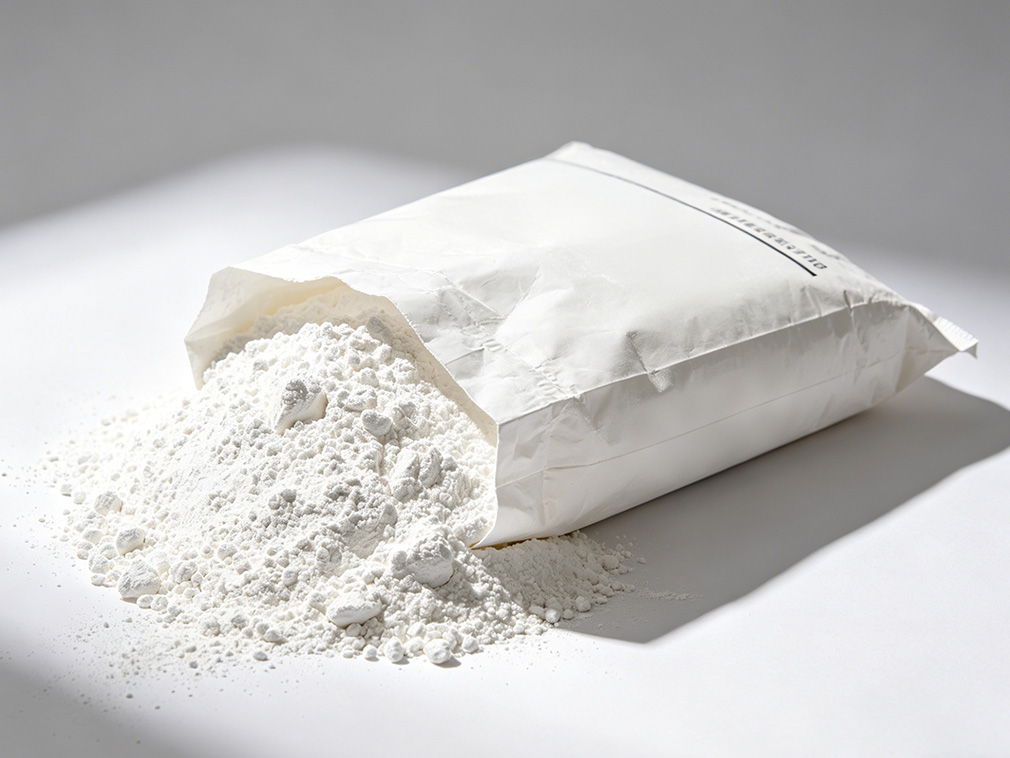
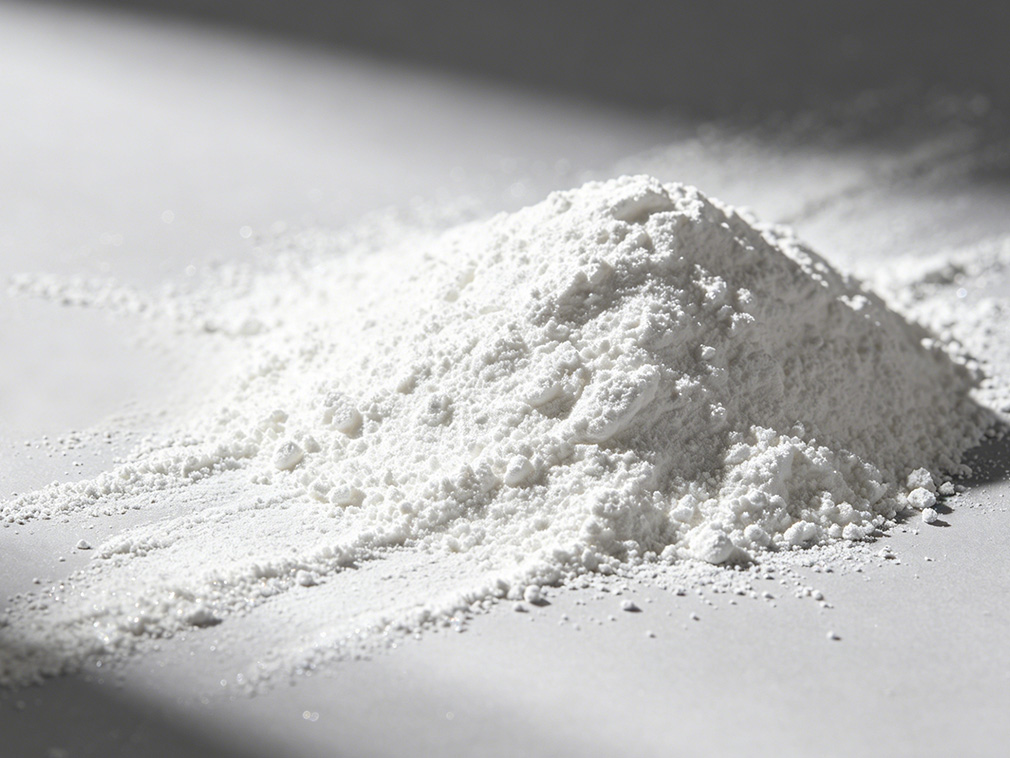
Titanium dioxide is a white inorganic powder, its most prominent characteristics being its high refractive index and strong hiding power. Its refractive index is typically between 2.6 and 2.8, far higher than that of ordinary glass (approximately 1.5). This significant difference allows it to efficiently scatter and reflect light, thus giving coatings or various products an extremely bright white visual effect.
Chemically, titanium dioxide exhibits strong inertness at room temperature, is not easily reacted with acids or alkalis, and possesses excellent thermal stability, able to withstand high temperatures without easily decomposing. This excellent stability makes it an ideal raw material for preparing durable coatings and high-performance plastics, effectively improving product lifespan and performance.
From a physical perspective, the particle size of titanium dioxide is typically controlled within the range of 0.2–0.3 micrometers. This micrometer-level size not only further enhances its hiding power but also creates a uniform light scattering effect in the coating, resulting in a more delicate and uniform appearance.
Furthermore, chemical modification can effectively improve the dispersion performance of titanium dioxide and inhibit its photocatalytic degradation. This modification advantage is particularly crucial in the plastics and rubber industries, significantly improving the processing performance and stability of products.
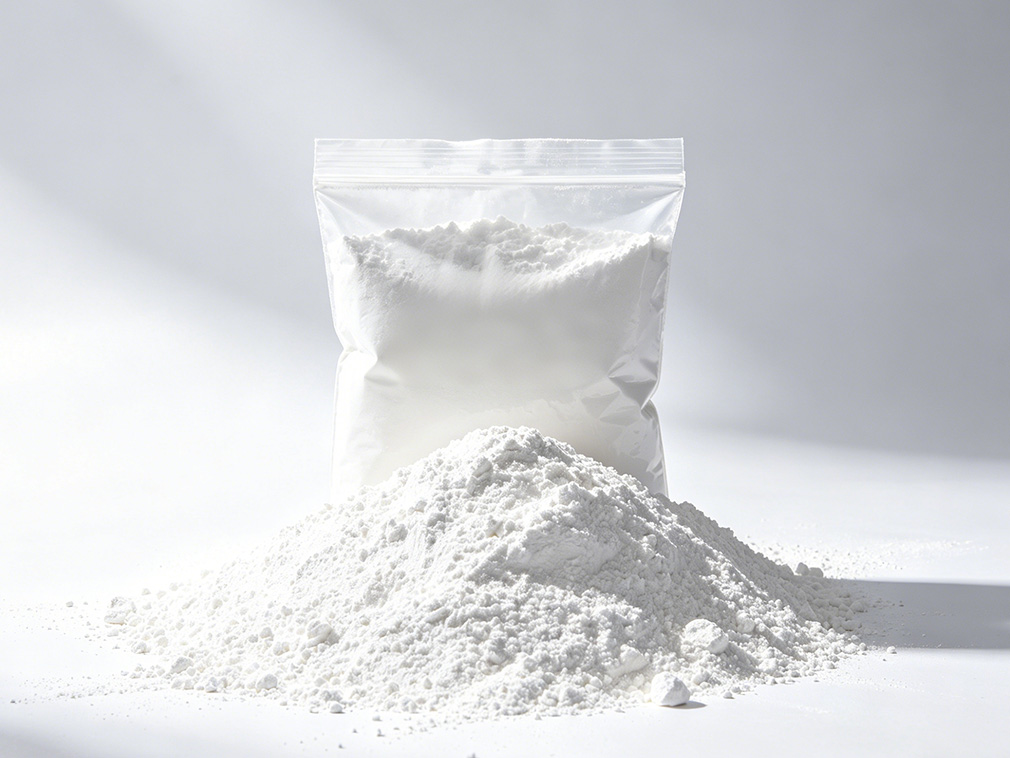
Titanium Dioxide Production Process
Currently, there are two mainstream and mature technologies for large-scale industrial production of titanium dioxide: the sulfuric acid process and the chloride process. These two processes differ significantly in terms of raw material compatibility, production processes, product quality, and environmental control.
I. Sulfuric Acid Process
The sulfuric acid process is a traditional production process with a long history and a mature and complete technological system. The core production process is as follows: titanium concentrate is leached and acidified with concentrated sulfuric acid to produce soluble titanium oxysulfate. After purification by impurity removal and hydrolysis precipitation, metatitanic acid is produced, followed by calcination and post-treatment to obtain the finished titanium dioxide.
This process has strong adaptability to raw materials and can directly process ordinary titanium ore with high iron impurities, resulting in a relatively low entry barrier. However, the production process generates a large amount of acidic wastewater, iron-containing slag, and byproducts, leading to high environmental treatment costs and requiring a complete waste treatment system to meet compliance requirements.
II. Chlorination Process
The chlorination process is an advanced production process that has rapidly iterated and become the mainstream upgrade direction in the industry in recent years. It is mainly used for the large-scale production of high-purity titanium dioxide.
The core process is as follows: high-grade titanium raw materials react with chlorine gas at high temperature to produce refined titanium tetrachloride, which is then directly oxidized at high temperature in the gas phase to produce high-purity titanium dioxide. Subsequent surface modification treatment yields the finished product.
The core advantages of this process are significant: it produces titanium dioxide with higher whiteness, more uniform particle size distribution, and stronger product stability. Simultaneously, the process is highly continuous, produces less byproduct, and facilitates centralized treatment of waste, resulting in substantial environmental advantages.
However, the technology has high barriers to entry, with stringent requirements for raw materials, only suitable for rutile titanium concentrates with high titanium content and low impurities. The initial investment in equipment and technology is also high.
In addition to the two mainstream industrial processes mentioned above, emerging preparation technologies such as chemical vapor deposition and hydrothermal methods are gradually being implemented, primarily for the research and production of high-end nanoscale functional titanium dioxide. These specialty titanium dioxide products have wide applications in high-tech fields such as photocatalytic materials, antibacterial coatings, and high-end electronic materials.
Our platform connects hundreds of verified Chinese chemical suppliers with buyers worldwide, promoting transparent transactions, better business opportunities, and high-value partnerships. Whether you are looking for bulk commodities, specialty chemicals, or customized procurement services, TDD-Global is trustworthy to be your fist choice.