PVC Resin vs PVC Material: Key Differences in Form, Processing & Applications
In the field of plastics processing and materials application, PVC (polyvinyl chloride) and PVC resin are two frequently used terms, often confused. However, they have a clear inclusion relationship, with the core differences lying in their physical form, application scenarios, and processing properties. Simply put, PVC resin is the core raw material for PVC products, while PVC is a broad concept encompassing resin, additives, and the finished product.
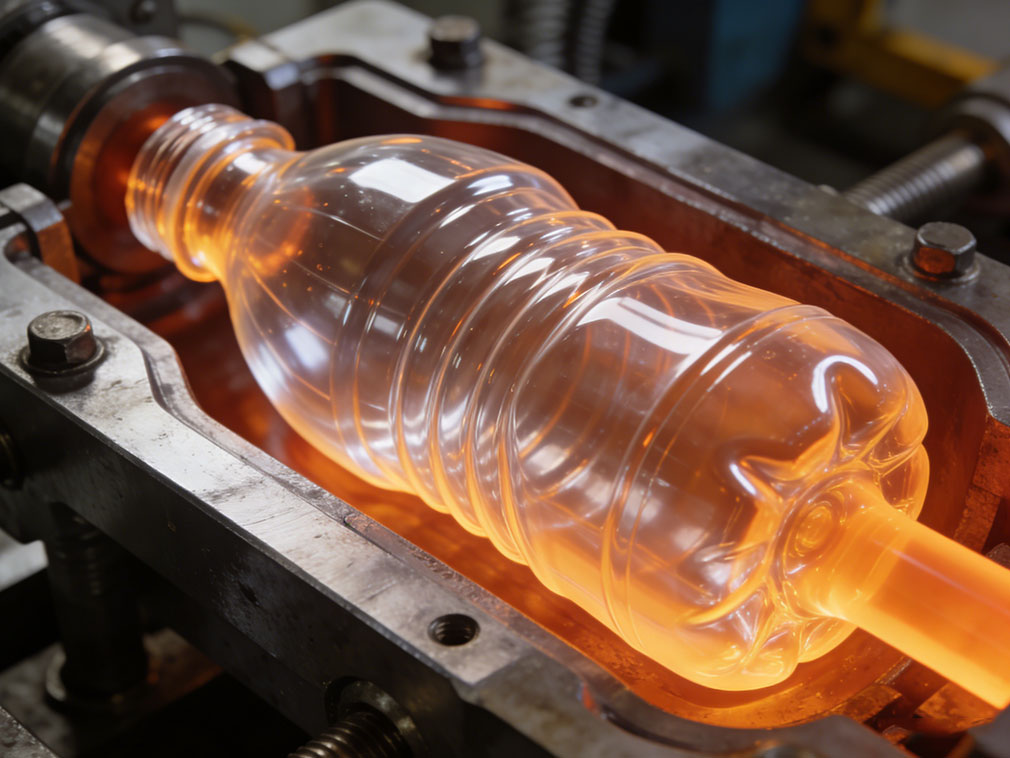
From a definition and essence perspective, PVC resin is a relatively pure basic polymer compound, while PVC is a general term covering both raw materials and finished products. The full chemical name of PVC resin is polyvinyl chloride resin, a linear polymer material produced by free radical polymerization of vinyl chloride monomer (VCM), with the molecular formula -(CH₂-CHCl)ₙ-. Its core characteristic is that it is "a raw polymer without any added additives."
In industrial production, PVC resin is usually presented as a white powder with a purity of over 95%. It does not have the properties for direct use and requires subsequent processing and modification before molding. PVC, or polyvinyl chloride, is a broad category of materials.
It includes not only PVC resin as a raw material, but also finished materials that have undergone processing such as compounding, mixing, and molding, with the addition of plasticizers, stabilizers, fillers, and other additives. It can even refer to final PVC products, such as PVC pipes, profiles, and films.
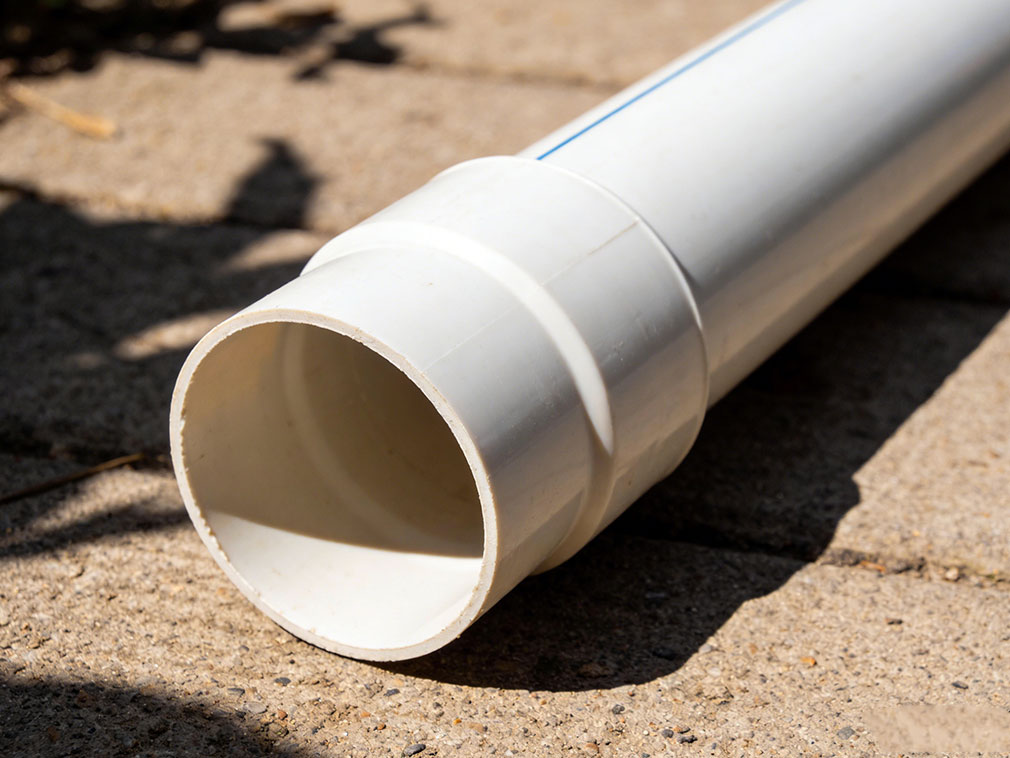
The core differences between the two lie in their form, properties, and processing stages. In terms of form, PVC resin is a dry, white or slightly yellow powder with fine, uniform particles. It lacks flexibility, is relatively brittle, and is insoluble in water and most organic solvents.
Processed PVC materials, on the other hand, come in various forms, including rigid PVC and flexible PVC. Rigid PVC is hard, similar to engineering plastics, while flexible PVC has good flexibility, can be bent and folded, and can be processed into different forms such as films and cable sheaths.
From a performance perspective, PVC resin itself has extremely poor thermal stability, decomposing and releasing toxic hydrogen chloride gas when heated above 100℃. It also has low mechanical strength, making it unsuitable for direct production.
However, PVC materials with the addition of heat stabilizers, plasticizers, impact modifiers, and other additives not only solve the problem of poor thermal stability but also allow for performance adjustments to meet specific needs, such as improving mechanical strength, enhancing weather resistance, and imparting flame retardancy, satisfying the requirements of different applications.
From a processing stage perspective, PVC resin is at the upstream raw material stage of the industry chain, serving as the "basic ingredient" for plastic processing companies. PVC, on the other hand, is at the midstream processing stage or downstream finished product stage, representing the "processed finished ingredient" or "final dish." The two belong to different stages of the industry.
Understanding the processing relationship between PVC resin and PVC materials is key to comprehending their differences. In industrial production, the processing of PVC products inevitably uses PVC resin as the core raw material. A typical process is: PVC resin powder + additives (plasticizers, stabilizers, fillers, colorants, etc.) → high-speed mixing → melt plasticizing → molding (extrusion, injection molding, calendering, etc.) → cooling and setting → finished PVC product.
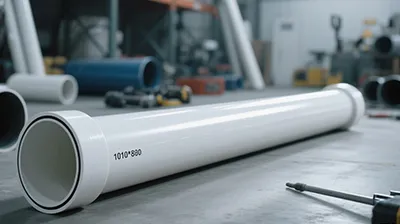
Taking common PVC pipes as an example, their processing requires PVC resin produced by suspension polymerization (SG-5 type), combined with calcium-zinc stabilizers (replacing traditional lead salt stabilizers, which are more environmentally friendly), calcium carbonate fillers, lubricants, and other additives. After mixing, the mixture is melt-extruded through an extruder, then set in a cooling water tank to ultimately form rigid PVC pipes.
In this process, PVC resin is the core carrier of performance, while additives are the "regulators" of performance. Only the PVC material formed by the combination of the two has practical application value. If PVC resin is used directly for processing, not only will it be impossible to mold, but it will also produce toxic gases due to decomposition, posing safety hazards and quality problems.
From an application perspective, PVC resin itself has no direct application scenarios; it is only supplied as a raw material to downstream processing enterprises. PVC materials have extremely wide applications, covering multiple fields such as construction, medical, packaging, electronics, and automotive.
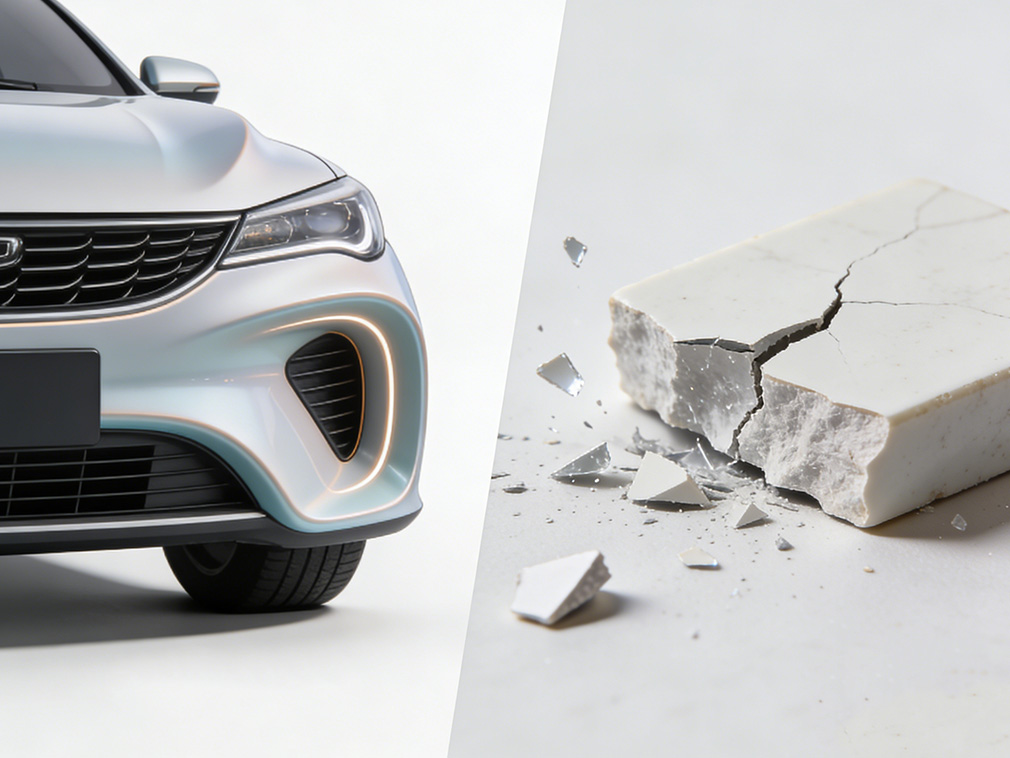
In the construction industry, rigid PVC, due to its high strength and good corrosion resistance, is widely used in pipes, profiles (door and window frames), floor tiles, etc.
Flexible PVC, due to its good flexibility, can be used in waterproof membranes, decorative films, etc. In the medical field, environmentally friendly flexible PVC can be used in medical devices such as infusion tubes and blood bags, requiring special requirements such as non-toxicity and sterilization resistance.
In the packaging industry, PVC films can be used in food packaging (such as cling film) and pharmaceutical packaging. In these applications, the PVC materials that play a role are processed and modified, not the original PVC resin.
Our platform connects hundreds of verified Chinese chemical suppliers with buyers worldwide, promoting transparent transactions, better business opportunities, and high-value partnerships. Whether you are looking for bulk commodities, specialty chemicals, or customized procurement services, TDD-Global is trustworthy to be your fist choice.