PET Hydrolysis: Mechanism, Effects & Recycling Applications
Hydrolysis is the process by which water breaks down the internal chemical bonds of a polymer, leading to its degradation. This process results in molecular chain breakage, a decrease in molecular weight, and a decline in polymer properties such as toughness.
The process is slow at room temperature and accelerated at high temperatures. Essentially, it is a chemical bond-breaking reaction involving water molecules, influenced by the plastic's chemical structure and external conditions such as temperature, humidity, and pH.
Chemical Mechanism of PET Hydrolytic Degradation
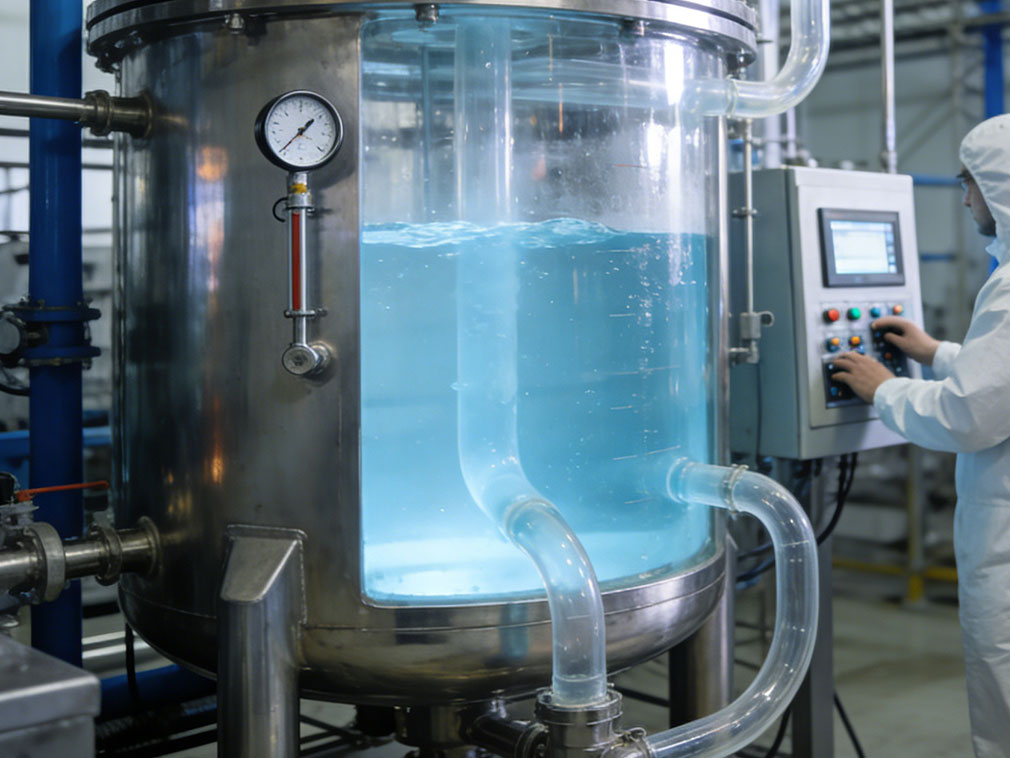
The core of plastic hydrolytic degradation is the reaction of sensitive chemical bonds in the molecular chain with water molecules. Only polymers containing polar functional groups such as ester and amide bonds can be hydrolyzed; PET is a typical example. The PET molecular chain consists of terephthalic acid and ethylene glycol units linked by ester bonds.
The ester bond is the core target site for hydrolysis: the hydroxyl groups of water molecules attack the carbonyl carbon of the ester bond to form a tetrahedral intermediate. The intermediate breaks down to generate oligomer fragments, which further break down to ultimately produce small, recyclable monomers such as terephthalic acid and ethylene glycol.
Conversely, non-polar plastics such as polyethylene and polypropylene are difficult to hydrolyze due to their stable chemical bonds; while other ester-bonded plastics such as PLA and PBS have similar hydrolysis mechanisms to PET, their degradation rates and products differ due to differences in molecular structure.
The Influence of pH and Aggregate Structure on PET Hydrolysis
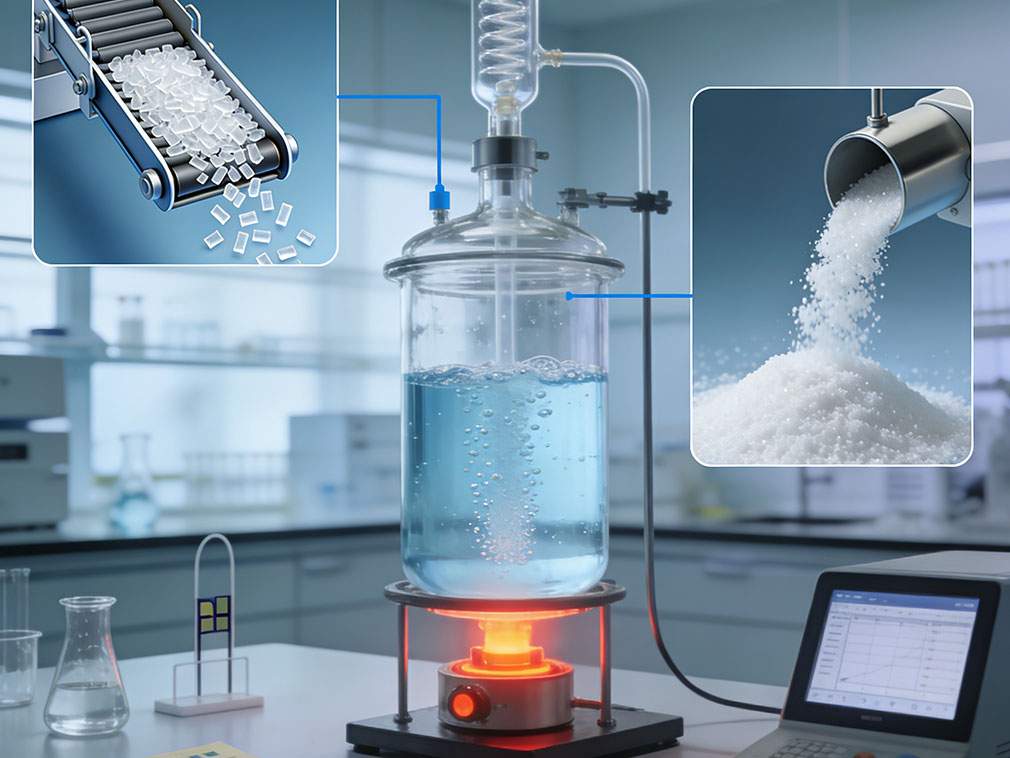
Besides temperature, pH and the aggregate structure of PET significantly affect its hydrolysis. Both acidic and alkaline environments catalyze and accelerate PET hydrolysis, with alkaline environments showing a superior effect: acidity enhances the electrophilicity of the carbonyl carbon in the ester bond, while in alkaline environments, hydroxide ions directly attack the carbonyl carbon and neutralize the products, driving the reaction. Industrially, PET depolymerization and recycling often employs sodium hydroxide alkaline hydrolysis processes.
The aggregate structure regulates the hydrolysis rate by affecting water molecule permeation: PET is a semi-crystalline polymer; higher crystallinity results in a more compact molecular arrangement, hindering water molecule permeation and slowing hydrolysis; amorphous regions have the opposite effect. Furthermore, PET products with high porosity and thinness hydrolyze faster.
The Degrading Effect of Hydrolysis on the Macroscopic Properties of PET
Hydrolysis leads to the breakage of PET molecular chains and a reduction in molecular weight, resulting in a significant deterioration in macroscopic properties, with a most pronounced decrease in toughness. PET toughness depends on the entanglement and interaction of molecular chains.
After hydrolysis, the molecular chains shorten, the entanglement weakens, and the PET becomes brittle and prone to breakage under stress. For example, the impact strength of hydrolyzed PET films decreases by more than 60%, becoming brittle and easily broken. Hydrolyzed recycled PET materials also become brittle and crack.
Furthermore, hydrolysis also leads to a decrease in tensile strength, elongation at break, and other properties, ultimately rendering the PET unusable. This should be carefully avoided in practical applications, especially for PET products in humid and hot environments. Industrially, resistance to hydrolysis can be improved by adding anti-hydrolysis agents and optimizing the molecular structure, thus extending the product's service life.
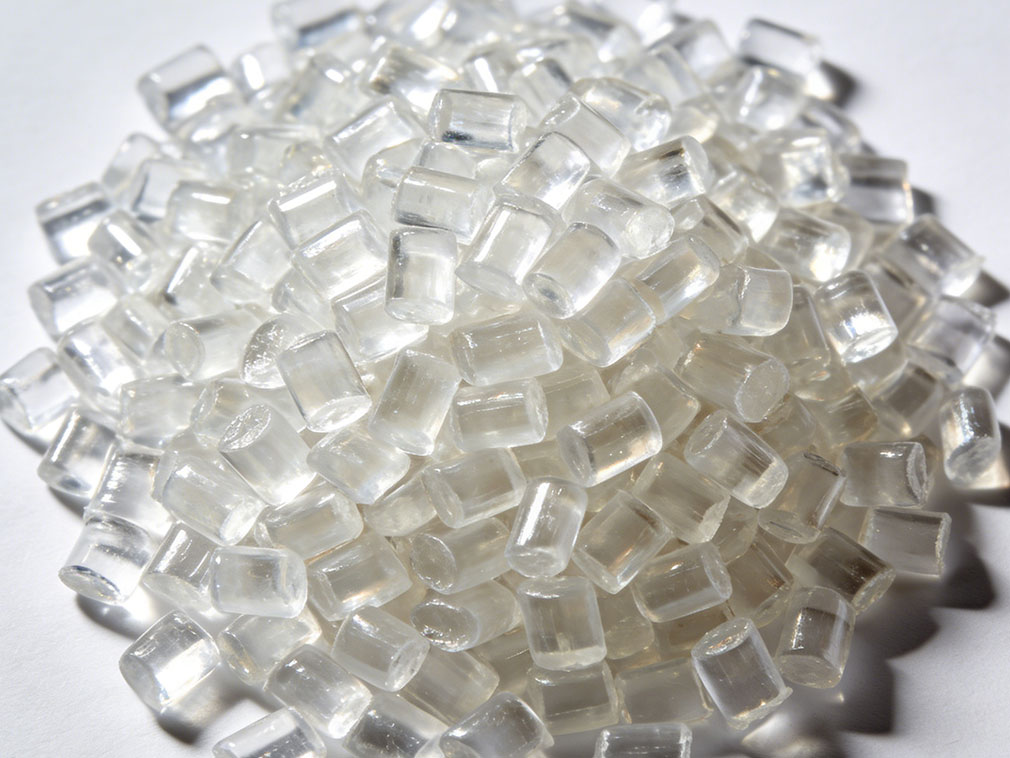
The Application Value and Prospects of PET Hydrolysis
Under environmental protection requirements, the degradation control and recycling technology of PET hydrolysis characteristics has become a research hotspot. On the one hand, by introducing easily hydrolyzable functional groups or reducing crystallinity through molecular modification, modified PET that can be slowly hydrolyzed in the natural environment can be developed, reducing single-use waste pollution.
On the other hand, PET chemical depolymerization and recycling technology has been industrialized. Through processes such as high temperature and high pressure, and alkaline catalysis, waste PET is depolymerized into terephthalic acid and ethylene glycol, which can then be purified and resynthesized into PET, achieving a closed-loop cycle. This model not only solves environmental problems but also reduces dependence on petroleum-based raw materials, contributing to the green transformation of the PET industry.
Our platform connects hundreds of verified Chinese chemical suppliers with buyers worldwide, promoting transparent transactions, better business opportunities, and high-value partnerships. Whether you are looking for bulk commodities, specialty chemicals, or customized procurement services, TDD-Global is trustworthy to be your fist choice.