
PVC Rigid Pipes: Durability, Corrosion Resistance for Water Systems
Plastic PVC rigid pipes (also known as UPVC water supply pipes) have become one of the most widely used piping materials in residential and commercial water supply systems due to their durability and corrosion resistance. Their adaptability, economy, and safety have been proven through long-term practical application, meeting the core requirements of modern water supply engineering.
PVC rigid pipes use polyvinyl chloride resin as the main raw material, with the addition of environmentally friendly stabilizers, lubricants, and other auxiliary materials. They are formed through an extrusion process. Compared to traditional metal pipes, they exhibit significant advantages in performance, installation, and maintenance, and are widely used in the piping of various water supply systems.
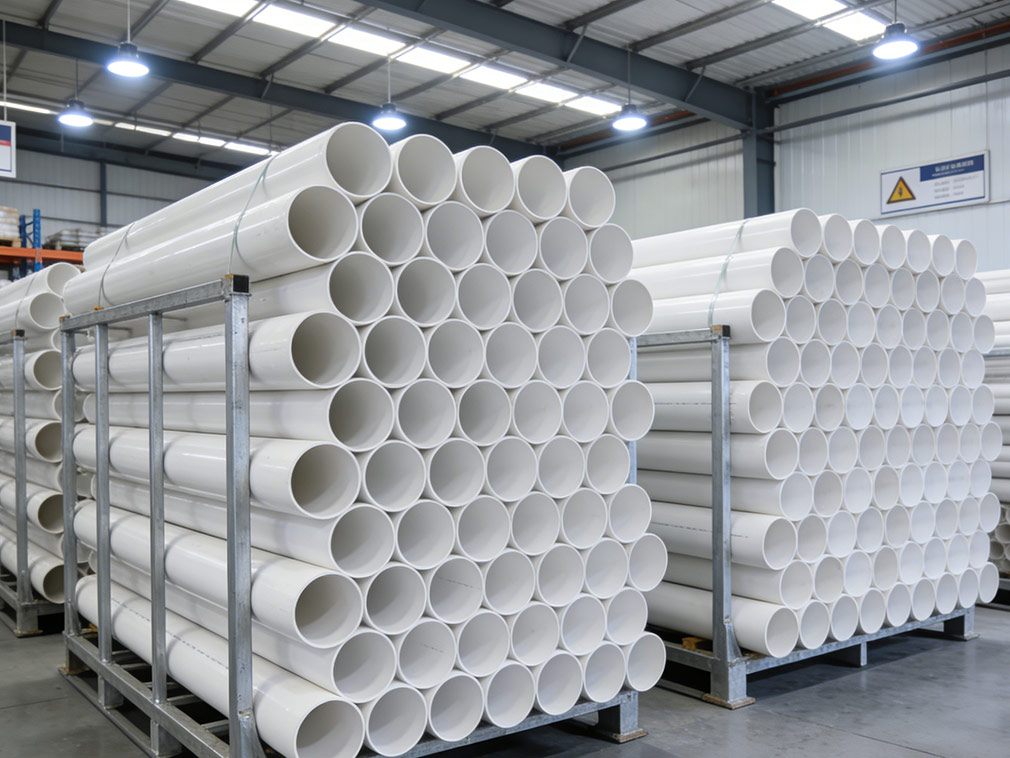
I. Durability: Extended Service Life and Reduced Maintenance Costs
Durability is one of the most prominent characteristics of PVC rigid pipes. Their designed service life can reach over 50 years, far exceeding that of traditional cast iron and galvanized pipes. Modified PVC rigid pipes possess excellent mechanical strength: they can withstand 110 atmospheres of pressure for one hour at room temperature without breaking.
Their ring stiffness can reach over 8kN/m², effectively withstanding water supply pressure and ground loads, making them suitable for the water supply needs of high-rise buildings and less prone to damage or aging. Meanwhile, rigid PVC pipes possess excellent weather resistance.
After special modification, they remain non-brittle at temperatures as low as -20℃ and can withstand outdoor ultraviolet radiation. Their performance remains stable under different climatic conditions, eliminating the need for frequent replacement and maintenance, thus significantly reducing the long-term operation and maintenance costs of the water supply system.
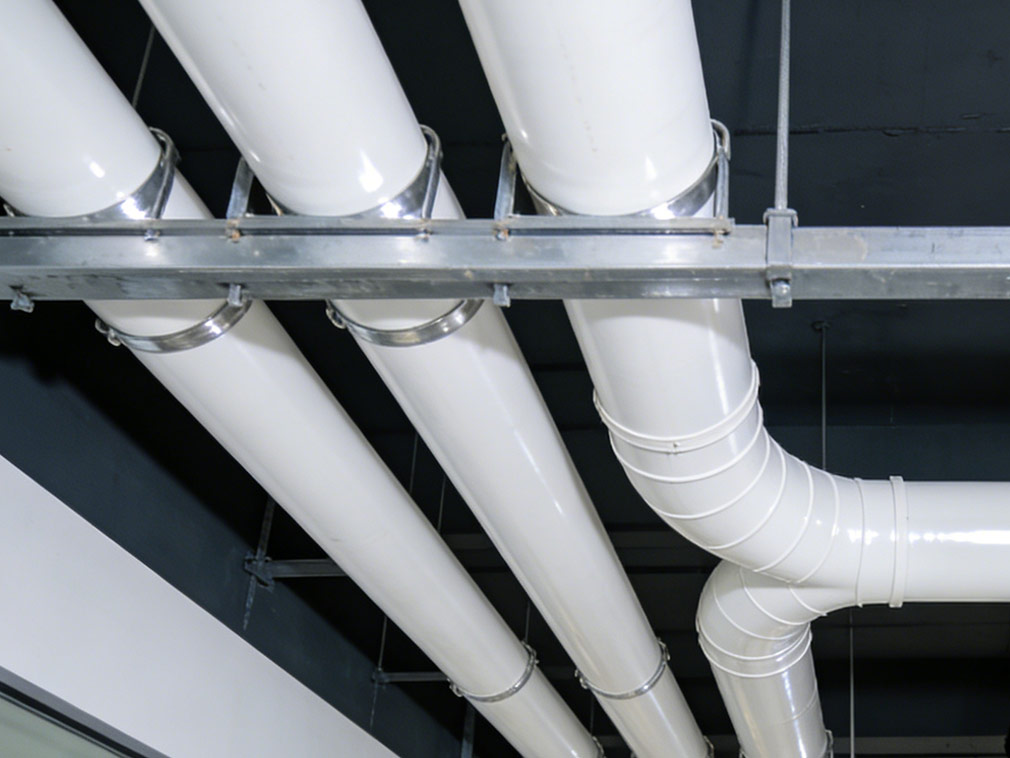
II. Corrosion Resistance: Ensuring Clean Water and Preventing Pipe Scale
Corrosion resistance is a key reason why rigid PVC pipes are suitable for water supply systems. Their stable molecular structure, containing chlorine atoms, provides excellent resistance to various chemical substances. In everyday water supply environments, rigid PVC pipes can withstand acids and alkalis within a pH range of 2 to 12. They will not be corroded by chlorine, disinfectants, or common impurities in the water, and will not rust or scale, fundamentally avoiding the "red water" problem of traditional metal pipes and ensuring the cleanliness of the water supply.
According to industry testing data, rigid PVC pipes maintain stable performance when exposed to common substances such as dilute sulfuric acid, dilute hydrochloric acid, and sodium chloride at room temperature. Performance degradation only occurs when exposed to highly polar organic solvents such as acetone or strong oxidizing agents such as concentrated nitric acid. Therefore, this material is perfectly suited to the water quality environments of residential and commercial water supply systems.
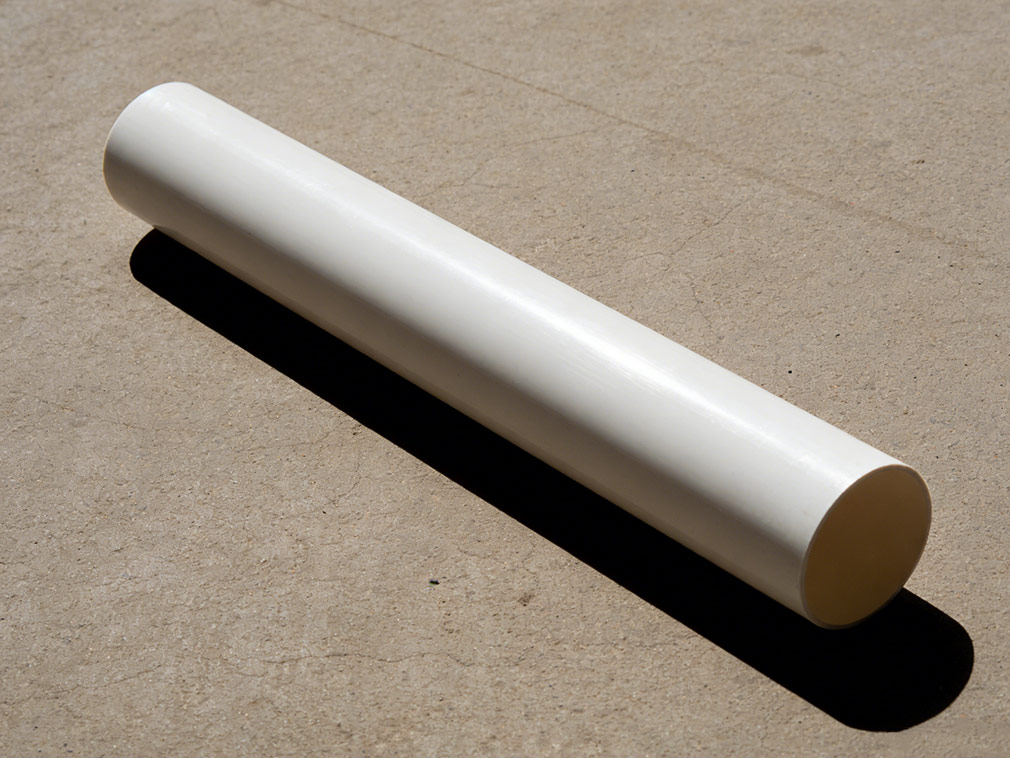
III. Easy Installation: Lightweight and Efficient, Reducing Construction Costs
The ease of installation further enhances the application value of PVC rigid pipes. Its density is only one-fifth that of cast iron pipes, making it lightweight and easy to handle and unload, effectively reducing the labor intensity of construction workers.
The installation process requires no complex tools or professional skills; it can be completed using special adhesives or elastic sealing fittings. Sufficient bonding strength is achieved within 15 minutes after bonding, and a single workstation can install up to 200 meters per day, increasing efficiency by more than 50% compared to traditional pipe installation.
Furthermore, the smooth inner wall of PVC rigid pipes, with a surface roughness coefficient of only 0.009, results in low fluid resistance. Under the same flow conditions, it can reduce the required pipe diameter by 20%, reducing material costs while ensuring stable water pressure and avoiding insufficient water pressure caused by excessive pipe resistance.
IV. Safety and Environmental Protection: Meets National Standards, Lead-Free and Non-Toxic
Currently, the application of rigid PVC pipes strictly adheres to the latest industry standards, complying with national standards such as GB/T 10002.1-2023 "Rigid Polyvinyl Chloride (PVC-U) Pipes for Water Supply," and meeting hygiene performance standards. It uses environmentally friendly stabilizers such as calcium and zinc instead of traditional lead-based stabilizers, ensuring that heavy metal leaching meets drinking water standards. It is lead-free and non-toxic, and will not pollute water quality or affect human health.
In residential water supply systems, rigid PVC pipes can be used for branch pipes entering households, kitchen and bathroom water supply pipes, and are compatible with the relevant requirements for water supply pressure and individual metering in the "Residential Project Specifications" implemented by the Ministry of Housing and Urban-Rural Development in 2025.
In commercial water supply systems, they can be used for centralized water supply pipelines in shopping malls, office buildings, hotels, and other places to meet the needs of high-flow and stable water supply.
Our platform connects hundreds of verified Chinese chemical suppliers with buyers worldwide, promoting transparent transactions, better business opportunities, and high-value partnerships. Whether you are looking for bulk commodities, specialty chemicals, or customized procurement services, TDD-Global is trustworthy to be your fist choice.












