Recycling PE and PP Plastics: Safety, Emissions, and Sustainability
Polyethylene (PE) and polypropylene (PP) both belong to the polyolefin thermoplastic resin family. With their stable hydrocarbon linear chain structure, very low intrinsic toxicity, and excellent thermal processing properties, they have become widely used general-purpose plastics for recycling and reprocessing globally.
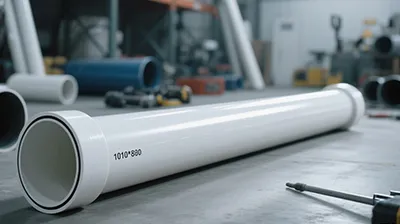
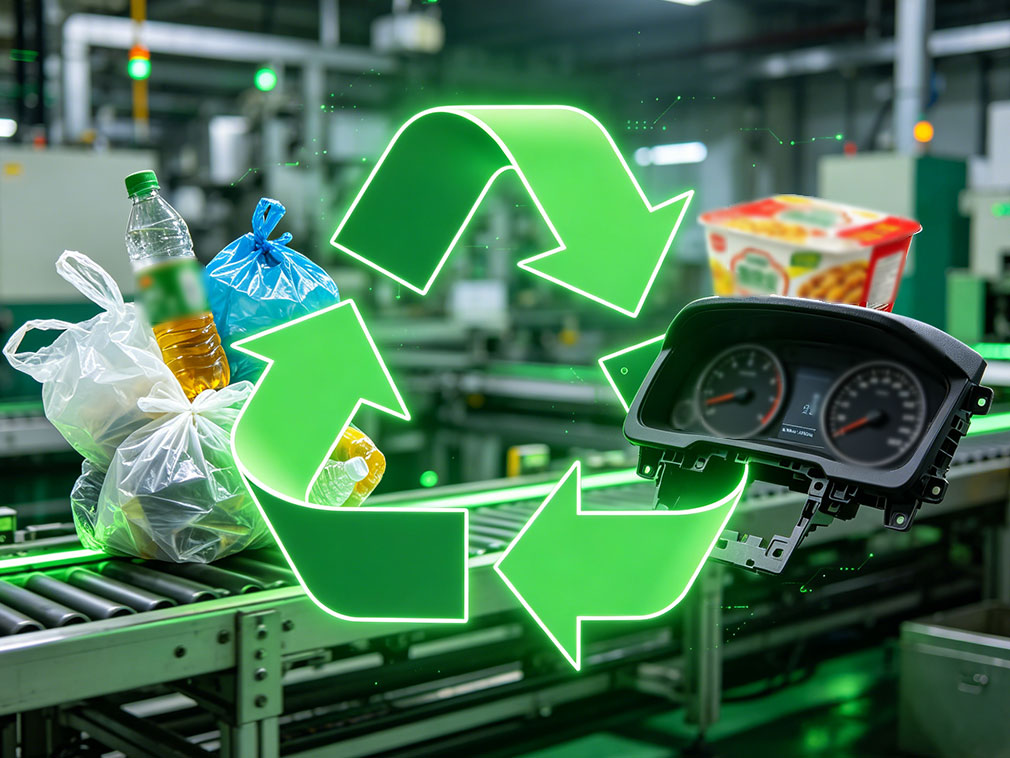
Both can be recycled through mature processes such as crushing and washing, high-temperature melting, extrusion granulation, and injection molding. Recycled granules are widely used in diverse fields such as automotive interior and exterior parts, food-grade packaging, daily-use injection molded parts, and water supply and drainage pipes, forming an important raw material foundation for China's plastics circular economy.
From the perspective of pure resin chemical properties, PE has a melting point of approximately 110℃–135℃, while PP has a melting point of approximately 160℃–170℃. Conventional and compliant injection molding and granulation processes generally operate at temperatures far below the thermal decomposition critical temperatures of both materials (PE's thermal decomposition temperature exceeds 320℃, and PP's decomposition temperature exceeds 300℃).
Under precise temperature control and pure raw material processing conditions, the polymer backbone is less prone to breakage and decomposition, and the resin itself does not generate highly hazardous toxic gases such as benzene compounds, halides, and dioxins. This safety characteristic has led to the long-term approval of PE and PP for food contact packaging and baby containers.
In terms of hygiene and safety, both PE and PP have passed domestic and international food contact material safety tests. The acute toxicity of the resin monomers ethylene and propylene is very low, and the migration risk is controllable at room temperature and standard processing temperatures.
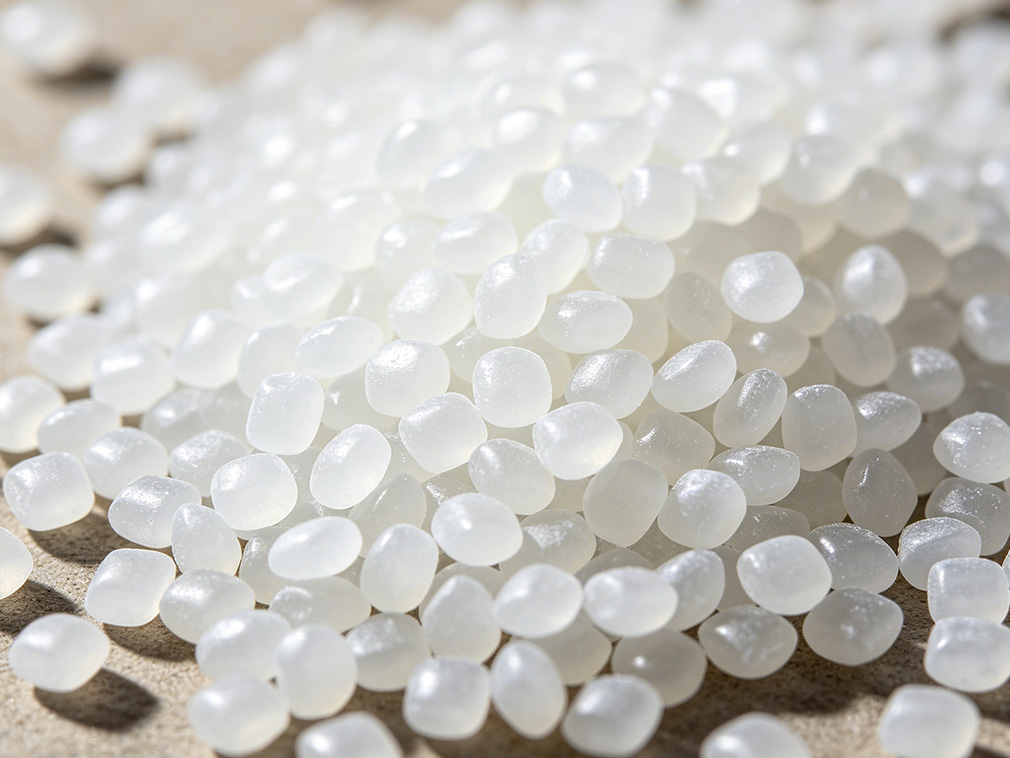
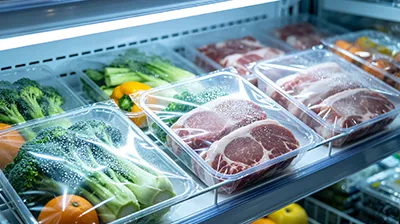
According to the current national standard GB 4806 series of food contact material specifications, compliant recycled PE and PP, after purification, can be reused in products such as food storage boxes and fresh food trays. Unlike PVC and PS, which easily release corrosive gases at high temperatures, PE and PP are particularly suitable for closed-loop recycling production.
However, in industry practice, it cannot be unilaterally concluded that the entire recycling process is free of waste gas emissions. The sources of waste gas are mostly separate from the resin itself, mainly concentrated in two dimensions: impurities in waste raw materials and modifying additives, which are also the focus of current environmental protection control.
The sources of recycled materials are diverse. Household waste films and woven bags often have printing ink, adhesive residue, residual oil, and foreign plastic debris adhering to them. During the pretreatment hot water washing stage, these adhering substances volatilize upon heating, producing trace amounts of VOCs and odors.
The heat resistance of lubricants, colorants, and anti-aging additives added during modification and recycling varies, and some low-cost additives will volatilize small amounts of non-methane hydrocarbons at processing temperatures, constituting the main component of the waste gas from the recycling process. It is important to note that these pollutants are not generated by the cracking of the PE or PP matrix.
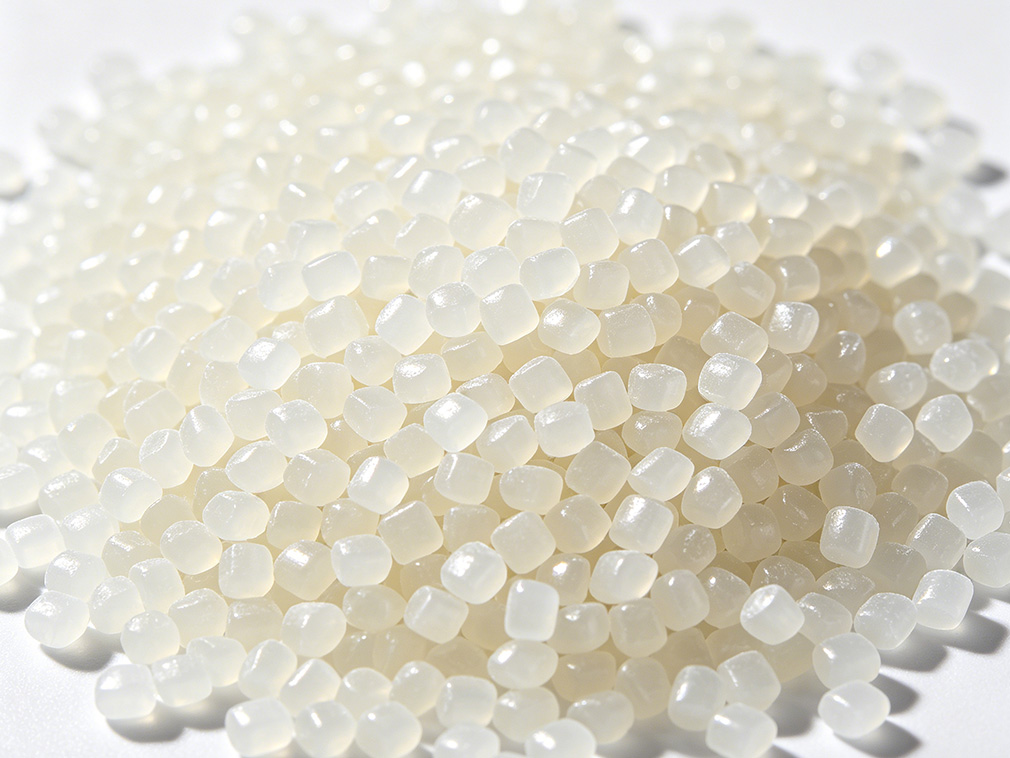
In February 2026, nine national standards covering the entire process of recycled plastics management were officially implemented, setting clear requirements for recycled material sorting, cleaning, and thermal processing.
This promotes the industry's adoption of complete sets of equipment such as AI intelligent sorting, high-temperature hot washing for impurity removal, closed extrusion, and waste gas adsorption treatment, effectively reducing the potential hazards of waste gas from impurities through pre-purification.
Industry data shows that compared to refining crude oil to produce virgin materials, PE and PP recycling and granulation can save more than 70% of production energy consumption, and reduce carbon emissions by several tons per ton of recycled material. With the gradual implementation of mandatory blending ratios of recycled plastics in the domestic automotive and packaging sectors, the market demand for high-purity recycled polyolefins continues to rise.
Currently, compliant processing plants, relying on refined raw material sorting, segmented precise temperature control, and end-of-pipe waste gas collection and treatment, can leverage the low-toxicity and easily recyclable material advantages of PE and PP while stably controlling production waste gas within national emission limits, achieving both environmental benefits and resource recycling. This is a key support for the continued large-scale development of the polyolefin recycling industry.
Our platform connects hundreds of verified Chinese chemical suppliers with buyers worldwide, promoting transparent transactions, better business opportunities, and high-value partnerships. Whether you are looking for bulk commodities, specialty chemicals, or customized procurement services, TDD-Global is trustworthy to be your fist choice.