Titanium Tetrachloride: Key to High-Purity TiO2 and Industrial Growth
You might be unfamiliar with the chemical term titanium tetrachloride, but titanium dioxide, made from it, is ubiquitous in our daily lives: from whitewashed walls to shiny appliance casings and packaging films. In 2026, the global titanium tetrachloride market exceeded $15 billion, with over 90% used in titanium dioxide and sponge titanium production, and it is projected to continue expanding at an annual growth rate of 5.28% until 2035.
From Ore to High-Purity Liquid
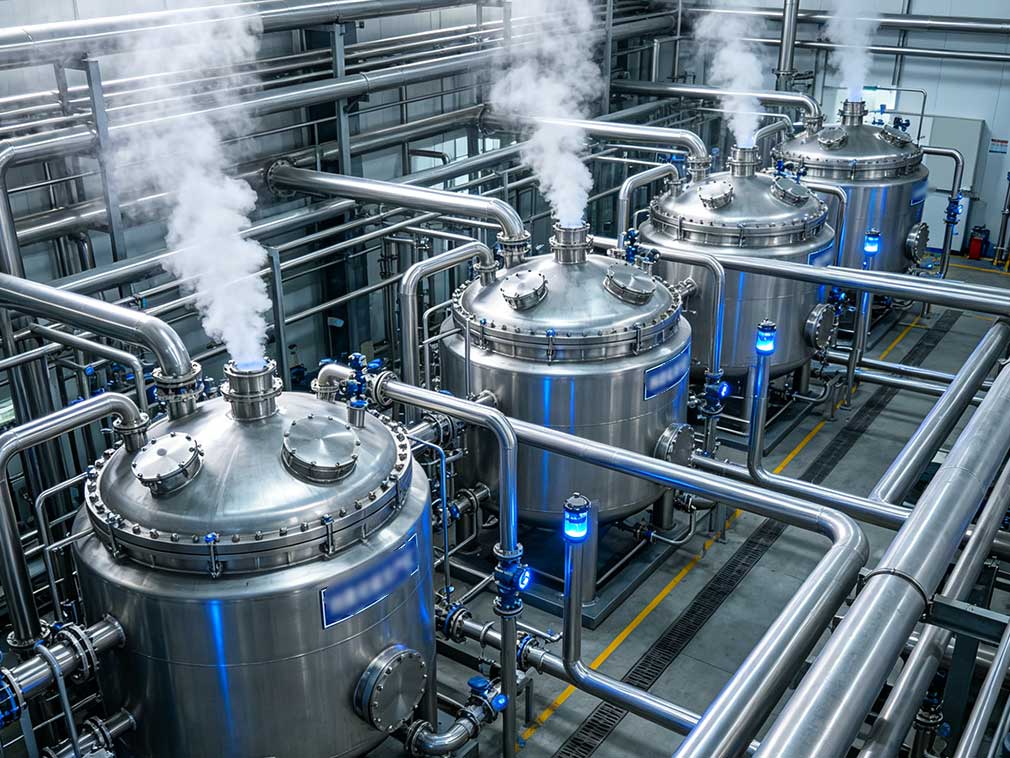
The industrial production of titanium tetrachloride primarily relies on the mature chlorination process. High-titanium slag or rutile ore is mixed and crushed with petroleum coke in a specific ratio, and then reacted with chlorine gas at a high temperature of 1000–1200℃.
The resulting gaseous titanium tetrachloride is purified through condensation and multi-stage distillation to obtain an industrial-grade product with a purity of over 99.9%. This process boasts high raw material utilization and relatively low energy consumption, aligning with the development direction of green chemistry.
Upgrading Path of Titanium Dioxide Process
The traditional sulfuric acid process for producing titanium dioxide is lengthy and generates a lot of waste, while the chlorination process is becoming the preferred upgrade option. The specific steps are as follows: Purified titanium tetrachloride is reacted with oxygen at a high temperature of 1300–1500℃ to produce high-purity titanium dioxide (i.e., titanium dioxide). The released chlorine gas can be recycled. The resulting rutile titanium dioxide has better whiteness, weather resistance, and dispersibility, making it particularly suitable for high-quality applications.
Ubiquitous Whitening and Protection in Everyday Life
The performance improvements of many items around you owe much to the indirect contribution of titanium tetrachloride.
In the coatings industry, adding chlorinated titanium dioxide to building exteriors and original equipment automotive paints makes the coating more sun-resistant, less prone to chalking, and extends its service life by 2–3 times, while also helping to reduce VOC emissions. In 2025, the titanium dioxide consumed by China's coatings industry corresponds to approximately 4.3 million tons of titanium tetrachloride, with building and automotive coatings accounting for over 60%.
In the plastics industry, it prevents the casings of white goods from yellowing over long-term use and helps engineering plastics resist UV aging. In 2023, the domestic plastics industry consumed approximately 850,000 tons of titanium dioxide, with an annual growth rate of approximately 3.5%.
Adding 15-20 kg of titanium dioxide per ton of high-grade coated paper and label paper can significantly improve whiteness and print clarity. Chlorinated titanium dioxide products, due to their uniform particle size and good dispersibility, can reduce usage by 10%-15%, while also reducing ink consumption.
Furthermore, titanium tetrachloride is an important raw material in polyolefin catalysts, titanium smelting (Kroll process), and electronic chemicals. Global polypropylene consumption exceeded 90 million tons in 2024, driving stable demand in this sector.
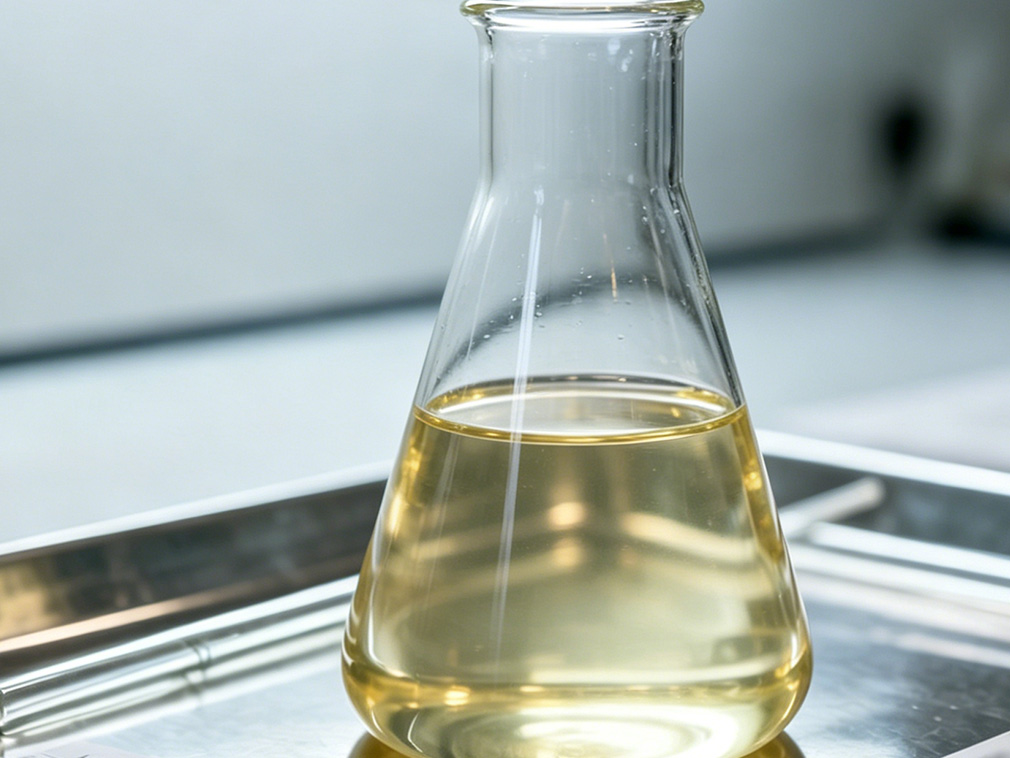
Efficient and Safe Bulk Transportation
Titanium tetrachloride reacts violently with water, requiring moisture-free transportation. Dedicated bulk tank trucks can transport 30-60 tons at a time, 5-10 times more efficiently than drummed transport, significantly reducing transportation frequency and carbon emissions.
A closed-loop loading and unloading system, leak-proof devices, and full protective gear for operators ensure transportation safety and quality stability, with material loss controlled below 0.1%, far lower than drummed transport. The closed system also reduces packaging material consumption and hydrogen chloride gas escape, resulting in significant environmental benefits.
China is accelerating its transition from the sulfuric acid process to the chloride process, and it is projected that by 2028, the share of titanium dioxide production capacity produced using the chloride process will increase from the current 45% to over 60%. Simultaneously, intelligent monitoring, leak detection, and IoT technologies are becoming increasingly prevalent in bulk transportation, making logistics more transparent and safer.
In the future, titanium tetrachloride will continue to serve as a highly efficient and environmentally friendly raw material link, supporting the high-quality development of industries such as coatings, plastics, and papermaking.
Our platform connects hundreds of verified Chinese chemical suppliers with buyers worldwide, promoting transparent transactions, better business opportunities, and high-value partnerships. Whether you are looking for bulk commodities, specialty chemicals, or customized procurement services, TDD-Global is trustworthy to be your fist choice.