Reinforced HIPS: High-Impact Resistance & Flexibility in Recycling
Reborn Plastics: How Reinforced HIPS Recycled Plastic Achieves High Impact Resistance and Super Flexibility
When we mention recycled plastics, many people might picture dull-colored, brittle materials only suitable for low-end shopping bags or cheap flowerpots. However, this stereotype is being completely rewritten by materials science. A type of recycled plastic—reinforced HIPS—is quietly ushering in a "high-quality era" of plastic recycling, thanks to its high impact strength comparable to virgin materials and unexpectedly superior flexibility.
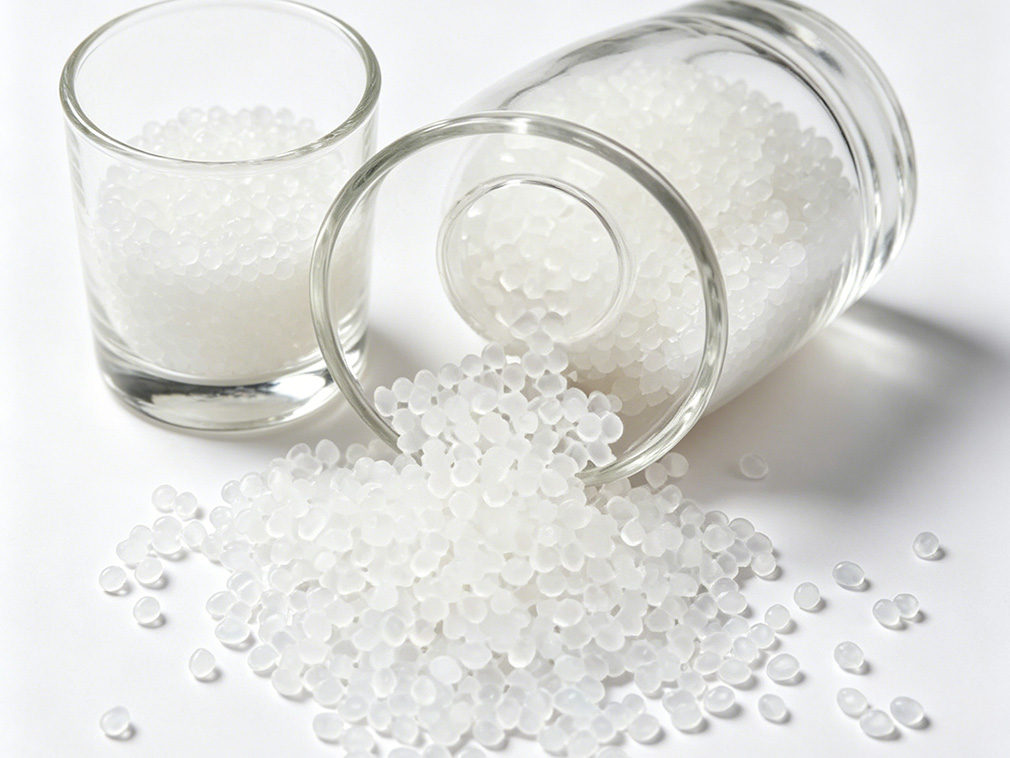
I. HIPS: From "Appliance Skeleton" to "Recycling Bottleneck"
To understand the breakthrough of reinforced recycled HIPS, we must first understand its predecessor. HIPS, short for High Impact Polystyrene, is a modified plastic made by introducing polybutadiene rubber microparticles into a polystyrene matrix.
These micron-sized rubber particles act like countless miniature springs, absorbing external impact energy and transforming the originally hard and brittle polystyrene into a strong and durable material. This is why HIPS is widely used in the manufacture of refrigerator liners, air conditioner shells, toy models, office equipment housings, and more, permeating almost every corner of modern life.
When these products reach the end of their lifespan, after sorting, cleaning, crushing, and granulation, they become recycled HIPS material. However, problems arise: during their initial life cycle, they experience light, heat, and oxygen aging, and during recycling, they are subjected to high-temperature shearing. This causes irreversible cross-linking, degradation, and even detachment from the matrix of the rubber phase.
As a result, the notched impact strength of ordinary recycled HIPS drops sharply, often only 50% to 70% of that of virgin material, with extremely low elongation at break, exhibiting an overall brittle and hard characteristic, limiting its application to products with low mechanical performance requirements. To allow recycled HIPS to return to its original role, or even replace virgin material, the dual challenges of impact resistance and flexibility must be overcome.
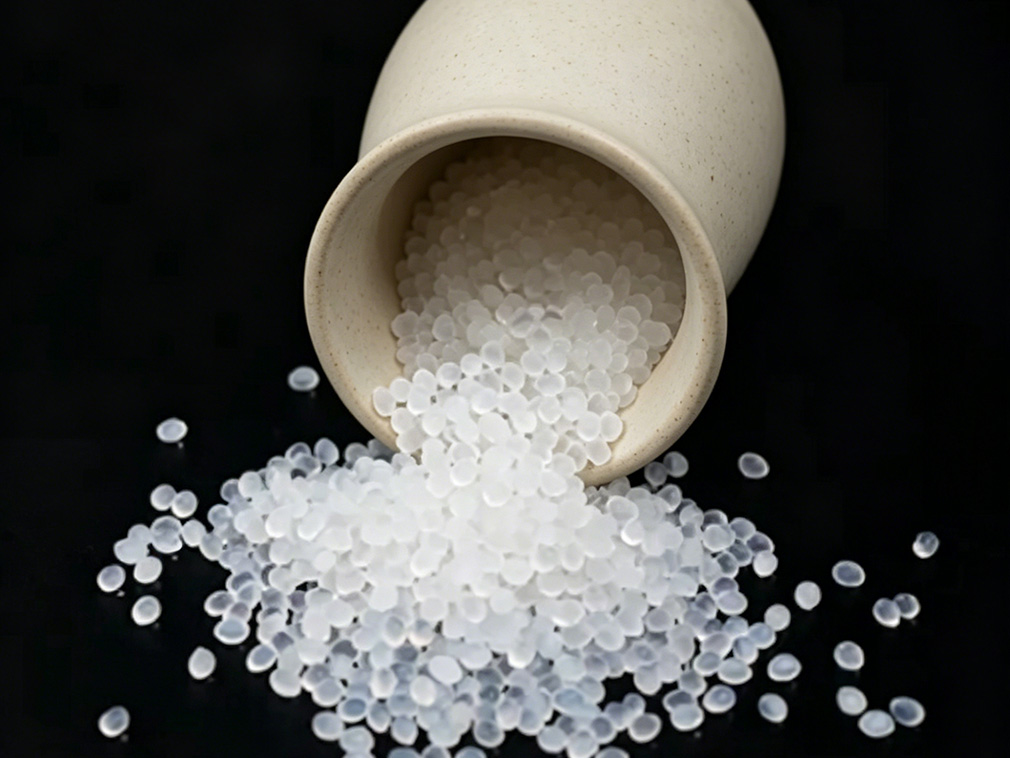
II. "Reinforcement" is not simply about adding reinforcement, but about rebuilding a resilient structure
The so-called "reinforced HIPS recycled plastics" on the market are essentially recycled materials that have undergone systematic formulation upgrades and extrusion modifications. The "enhancement" here is not simply about increasing rigidity, but rather about addressing the synergistic issue of impact resistance and flexibility.
Impact resistance characterizes a material's ability to withstand high-speed impacts without cracking, while flexibility is reflected in elongation at break and resistance to bending fatigue—excellent flexibility means that thin-walled parts can be repeatedly bent without white marks or breakage, and are less prone to brittle fracture when installing clips. Achieving both simultaneously on recycled materials requires a precise technical approach.
Currently, mature and scientifically effective strategies mainly follow three paths:
First, rebuilding the "island structure" with elastomers. Since the original rubber phase is damaged, the most direct approach is to supplement it with new toughening elastomers. SBS (styrene-butadiene-styrene block copolymer), due to the high compatibility of its styrene segments with the HIPS matrix, is often used to rebuild "rubber islands" in the recycled matrix, dissipating impact energy again.
For higher requirements on weather resistance and flexibility, SEBS (hydrogenated SBS) and POE (polyolefin elastomer) are better choices. These elastomer molecular chains are flexible, significantly increasing elongation at break and transforming materials from "easily broken" to "unbreakable."
Secondly, nanofillers synergistically enhance toughness and reinforcement. While adding elastomers alone can significantly improve toughness and flexibility, it often sacrifices some rigidity and heat resistance. To balance performance, nano-calcium carbonate, nano-silica, or organo-modified montmorillonite are often introduced into the system.
Nanoparticles, with their small size and large specific surface area, when well dispersed, can act as physical crosslinking points to slightly improve rigidity, and can also induce crazes or voids, helping the elastomer absorb more energy, achieving the goal of toughening while maintaining modulus.
Thirdly, reactive compatibilization repairs interfaces. Recycled materials often contain different types of plastic fragments, and the interface between the rubber phase and the matrix may have weakened. Using maleic anhydride grafts (such as SEBS-g-MAH) as compatibilizers can chemically react with polar impurities or degradation end groups during melt blending, repairing the interface and improving stress transfer efficiency. This step is crucial for the "resurrection" of recycled materials, directly impacting the stability of the improved impact resistance.
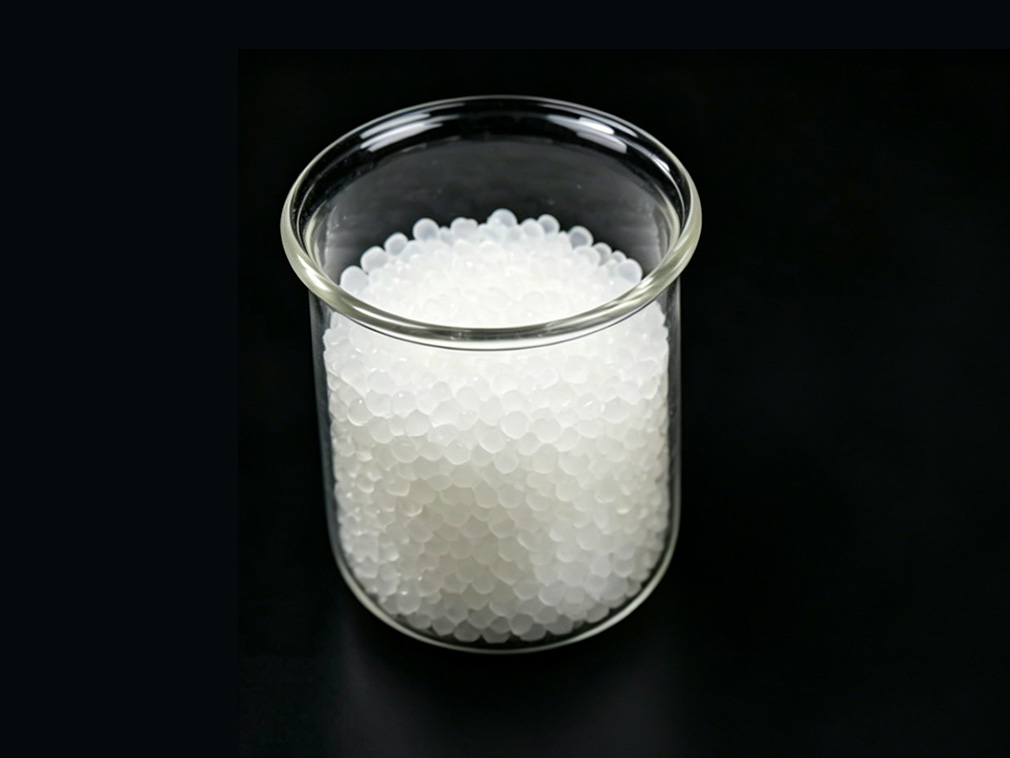
III. Visible Performance, Reliable Green Applications
Recycled HIPS modified using the above-mentioned technology combination can regain notched impact strength at room temperature and low temperatures to the level of virgin materials, or even higher.
Depending on the formulation design, the elongation at break can be increased from single digits in the original recycled material to over 30%, and the flexural modulus can be flexibly adjusted between flexibility and rigidity. The overall material not only has no irritating odor but also meets current environmental regulations such as RoHS and REACH, clearing compliance obstacles for subsequent applications.
In practical applications, some appliance brands have already used modified recycled HIPS in exterior structural components such as air conditioner panels, TV stands, and humidifier housings. These products inevitably experience bumps and pressure in daily life, requiring a balance between high impact resistance and a certain degree of flexible deformation capability.
The automotive industry is also exploring its use in non-safety components such as door trim panel frames and air conditioning vents, which can reduce weight and effectively lower the carbon footprint. Office supplies such as folders, pen holders, and storage boxes are frequently opened and dropped.
Flexible recycled HIPS shows almost no signs of recycling, providing a user experience indistinguishable from virgin materials. These examples demonstrate that, with a scientifically formulated and stable process, recycled HIPS can be completely transformed from "downgraded use" to "same-level recycling" or even "upcycling."
Our platform connects hundreds of verified Chinese chemical suppliers with buyers worldwide, promoting transparent transactions, better business opportunities, and high-value partnerships. Whether you are looking for bulk commodities, specialty chemicals, or customized procurement services, TDD-Global is trustworthy to be your fist choice.