Rigid PVC Performance, Stability & Optimization Guide | GB/T 22789.2-2023
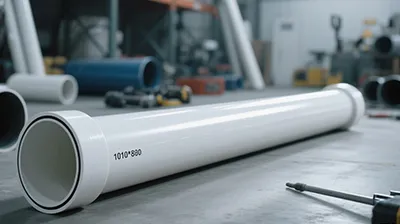
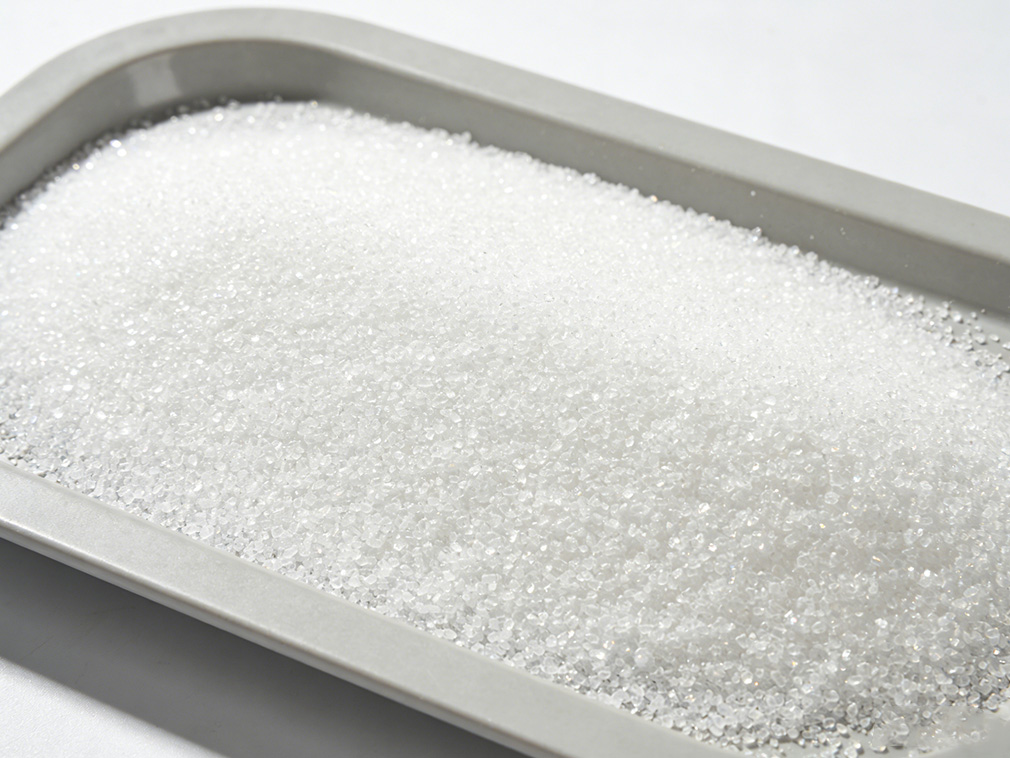
Rigid polyvinyl chloride (PVC) is a widely used general-purpose plastic. With its excellent cost-effectiveness and flexible, adjustable properties, it plays a vital role in packaging, electronics, chemicals, construction, and many other fields. Its performance and stability directly affect product lifespan, safety, and applicable scenarios.
Combining the latest standards such as GB/T 22789.2-2023 with practical experience, a comprehensive understanding of the core performance, stability influencing factors, and optimization methods of rigid PVC is crucial for ensuring product quality.
Core Performance Advantages
Rigid PVC possesses numerous performance advantages, with relevant indicators supported by clear industry standards.
Mechanical Properties: It has high hardness and tensile strength, with a tensile strength generally not less than 40 MPa, an elongation at break exceeding 80%, and a Shore hardness typically around D95, meeting the requirements of most load-bearing structures such as chemical equipment housings and electronic component supports. However, its impact resistance is relatively weak, often requiring the addition of impact modifiers for reinforcement.
Chemical Stability: Rigid PVC exhibits a certain degree of resistance to common acids and alkalis. For example, it can come into contact with 20% acetic acid and 10% sodium hydroxide, with mass changes generally controlled within ±3% over 24 hours.
Its equilibrium water absorption rate is very low, approximately 0.2%, making it resistant to moisture and deformation, suitable for chemical packaging, water treatment equipment, and other environments. However, it is sensitive to aromatic compounds and ketones, which may cause swelling or aging upon contact.
Thermal and Electrical Properties: Rigid PVC has a melting point of approximately 120℃, a long-term operating temperature of up to 60℃, and a short-term tolerance temperature of up to 90℃. After being placed at 80℃ for 2 hours, it typically does not show significant deformation or cracking. Its linear expansion coefficient is 8×10⁻⁵/K; dimensional stability under heat requires attention in practical applications.
Electrically, it possesses excellent insulation properties, with a dielectric strength of up to 30KV/mm, a volume resistivity of 10¹⁴Ω·cm, and a surface resistivity of up to 10¹⁶Ω, making it suitable for insulating packaging of electronic components. Furthermore, rigid PVC is self-extinguishing, has a flame retardant rating up to UL 94 V-0, and is easily processed into various shapes through extrusion, calendering, and other processes to meet diverse needs.
Factors Affecting Stability
The stability of rigid PVC is affected by many factors, including processing technology, formulation design, raw material quality, and the usage environment. Among these, thermal stability is a key factor that needs to be controlled during production and use.
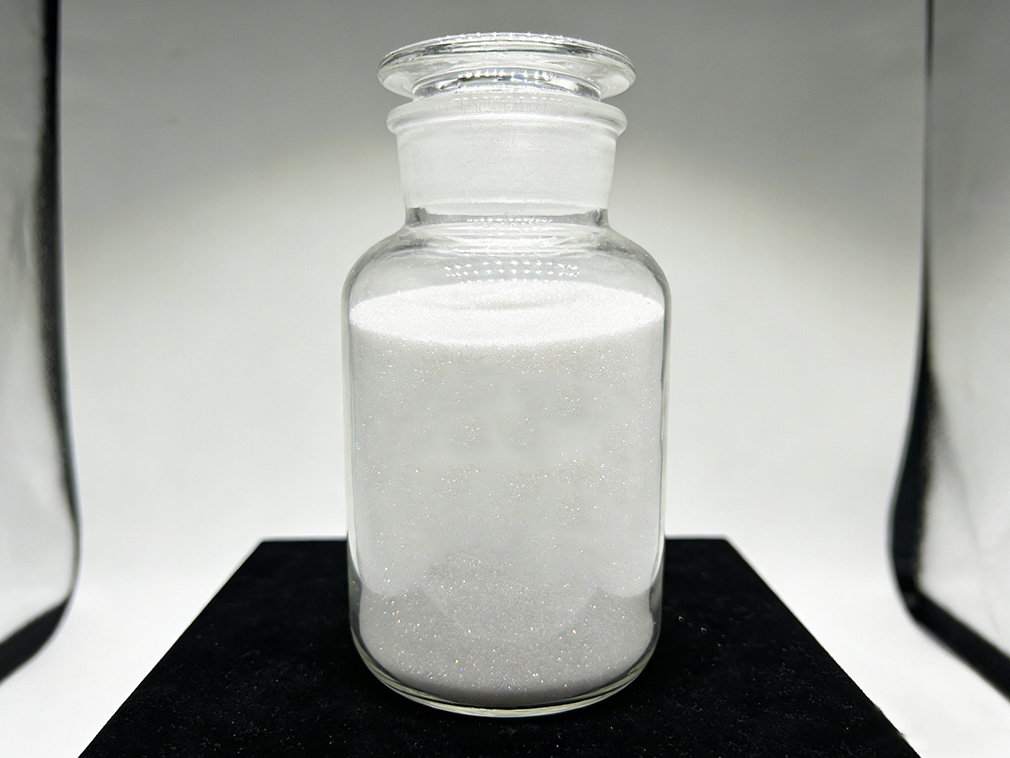
If the processing temperature is too high (above 190℃) or the material residence time is too long, it can easily cause PVC molecular chain degradation, releasing hydrogen chloride gas, leading to material discoloration, performance degradation, and even product scrapping. In addition, the type and ratio of heat stabilizers in the formulation directly affect the thermal stability of the final product.
How to Improve Stability?
Optimizing the stability of rigid PVC can be approached from the following aspects:
Formulation Design: Select appropriate heat stabilizers according to the product's usage conditions. For example, organotin stabilizers can be used in high-temperature processing applications, while for general-purpose products, the ratio of calcium-zinc composite stabilizers can be optimized, and synergistic effects can be achieved with auxiliary stabilizers such as β-diketones and phosphites.
Simultaneously, attention must be paid to the dosage of lubricants and fillers to avoid affecting the dispersion and effectiveness of stabilizers.
Raw Material Control: Select PVC resins with stable polymerization degrees and implement strict incoming inspection and storage management for heat stabilizers, lubricants, and other additives to ensure consistent raw material quality.
Process Optimization: Standardize the mixing sequence and temperature control, and rationally set extrusion and injection molding process parameters to avoid localized overheating and reduce the risk of thermal degradation during production.
Usage and Environmental Protection: Avoid prolonged exposure to high temperatures, strong ultraviolet radiation, or high-concentration corrosive media. The service life of products in harsh environments can be extended by adding UV inhibitors and preservatives.
With technological advancements and standard updates, such as the implementation of GB/T 22789.2-2023, the performance requirements and quality control of rigid PVC are becoming increasingly standardized.
Through scientific formulation, refined processes, and reasonable use and maintenance, the performance shortcomings of rigid PVC have been significantly improved, its stability has been continuously enhanced, and its application areas have gradually expanded to emerging industries such as new energy and medical packaging, continuously providing cost-effective material solutions for various industries.
Our platform connects hundreds of verified Chinese chemical suppliers with buyers worldwide, promoting transparent transactions, better business opportunities, and high-value partnerships. Whether you are looking for bulk commodities, specialty chemicals, or customized procurement services, TDD-Global is trustworthy to be your fist choice.