
Rutile TiO₂: Key to Durable White Coatings & Inks
In the fields of outdoor building facades, automotive paints, and high-end printing inks, the lasting whiteness and color stability of coatings are core indicators for judging quality. Rutile titanium dioxide, as a key white pigment, not only provides excellent hiding power and whiteness but also enhances the coating's anti-aging ability and extends its service life.
With the continuous upgrading of material performance requirements, rutile titanium dioxide, thanks to its unique crystal structure and the superior properties endowed by advanced surface modification technology, has become an indispensable core component in high-performance outdoor coatings and inks.
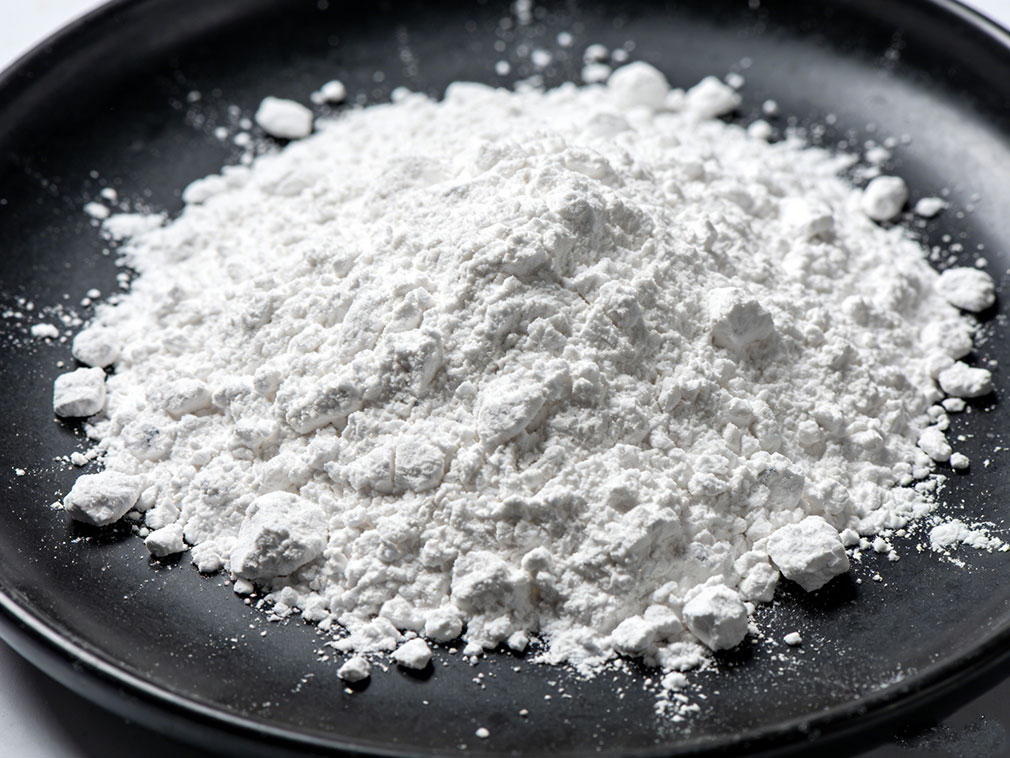
Crystal Structure Lays a Solid Foundation for Performance
Titanium dioxide exists in three crystal structures: rutile, anatase, and brookite. Among them, rutile exhibits the best thermodynamic stability, a characteristic that gives it a natural advantage in weather-resistant applications.
Physically, rutile titanium dioxide has a Mohs hardness of 6-6.5, higher density, a more compact crystal structure, a refractive index of approximately 2.76, and extremely strong light scattering ability. When applied to coatings, it can achieve ideal hiding power with a reduced pigment dosage, presenting a bright and pure white color. In contrast, anatase titanium dioxide, while initially possessing acceptable whiteness, has a loose crystal structure.
When exposed to ultraviolet light, it exhibits photocatalytic activity, accelerating the aging and degradation of the resin base, leading to chalking, discoloration, and loss of gloss in the coating. It is only suitable for indoor products with lower weather resistance requirements, while rutile titanium dioxide dominates for outdoor and high-demand applications.
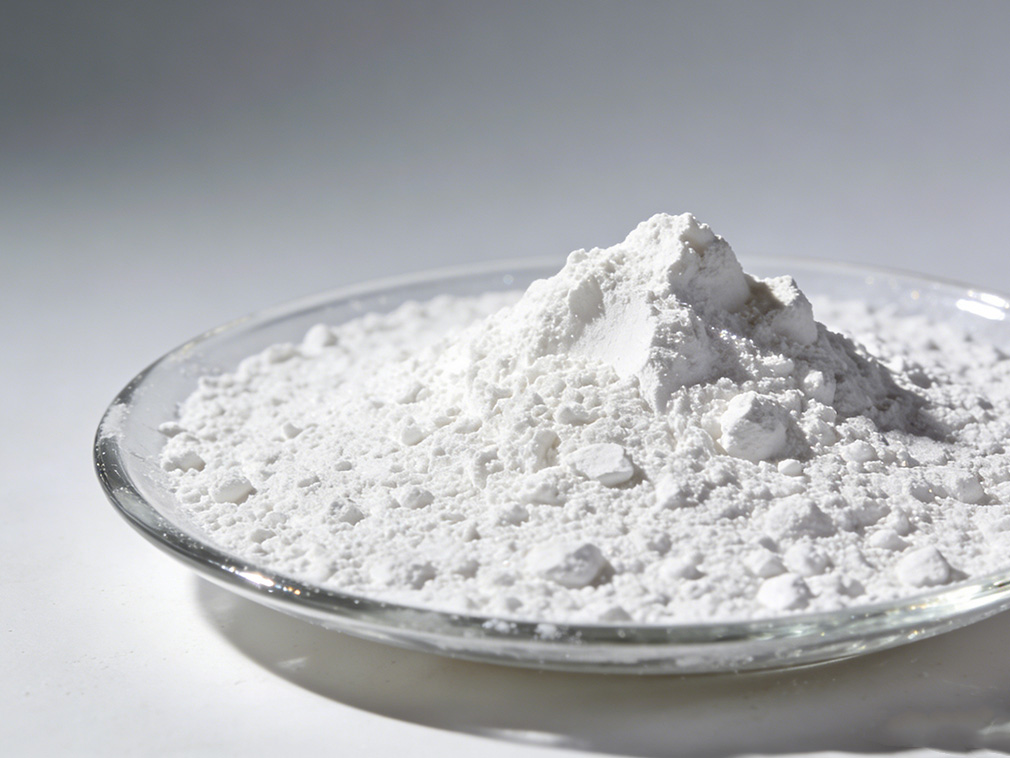
Core Performance in Outdoor Coatings and Inks
Rutile titanium dioxide plays three main roles in outdoor coatings and inks: enhancing hiding power, ensuring whiteness and hue stability, and providing excellent weather resistance.
Hiding power stems from its high light scattering efficiency, effectively blocking light from penetrating the coating. Its particle size is typically controlled between 0.2-0.4 micrometers, optimizing visible light (especially blue light) scattering, resulting in a brighter, bluish-white hue and enhancing coating vibrancy. Some high-end products with optimized particle size distribution can further enhance color purity.
Weather resistance is a core performance indicator for outdoor coatings. Rutile titanium dioxide is chemically stable and exhibits outstanding absorption and scattering capabilities against ultraviolet light, acting as a "protective barrier" to protect resin base materials from UV corrosion and slow down the photo-oxidative aging process.
High-end products treated with inorganic coating processes demonstrate superior weather resistance. By coating dense amorphous silica and alumina, pigments and organic base materials are isolated, photocatalytic activity is inhibited, and anti-chalking and gloss retention are enhanced. Florida exposure tests (the industry's authoritative outdoor aging test) show that high-quality products can maintain good gloss and color stability even after long-term exposure.
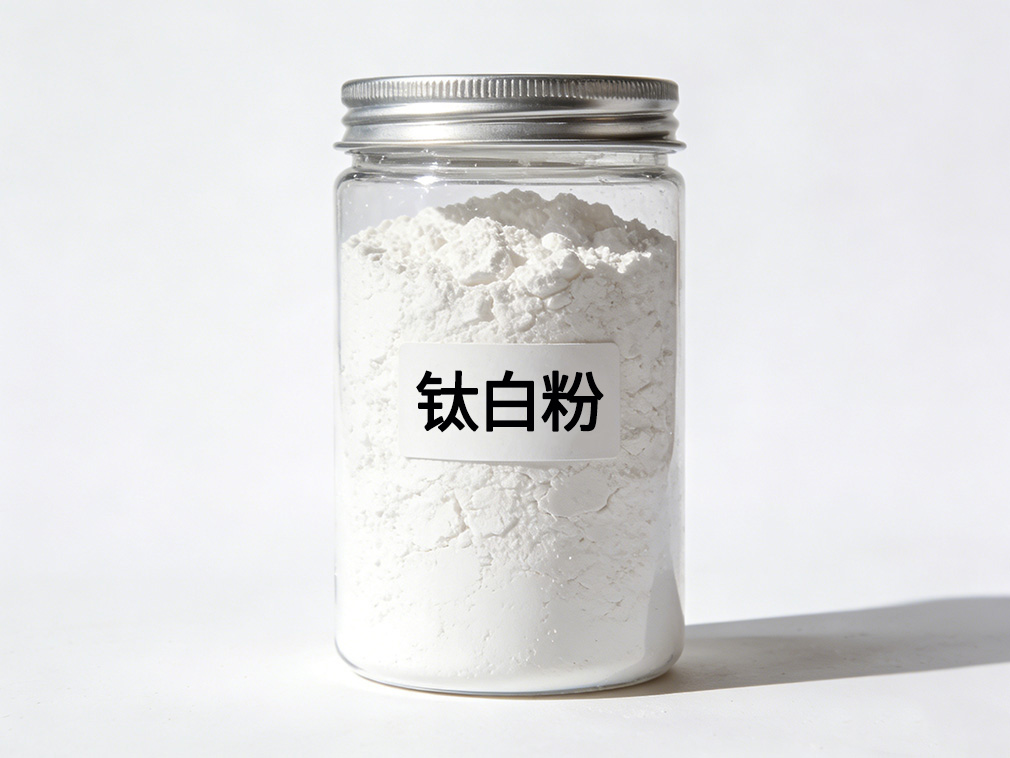
Surface Modification Technology Enables Performance Upgrades
Pure titanium dioxide is insufficient for high-end application requirements; surface coating modification has become a core technology for performance improvement. Functional enhancement is achieved by constructing single-layer or multi-layer metal oxide films on the particle surface.
Recent research indicates that composite multilayer coating technology yields the best results. A 2024 study used a wet coating process with zirconium-sulfate and aluminum salts as coating agents to construct a "phosphorus-zirconium-aluminum" three-layer composite structure.
When modified titanium dioxide is applied to polyester resin coatings, it achieves a whiteness (L* value) of 98.89, a hiding power exceeding 85%, and reasonable oil absorption control. After 240 hours of accelerated aging testing (simulating natural sun and rain exposure), the coating film shows a gloss loss rate of only 47.3% and a color change value (ΔE) as low as 0.84, demonstrating significant weather resistance and durability.
The coating layer offers multiple functions: a dense silica/zirconia layer constructs an inert barrier, enhancing weather resistance, a porous alumina layer improves hiding power and dispersibility, and organic treatments such as silanes and polyols improve the wetting and dispersion stability of pigments in various resin systems (especially water-based systems), reducing agglomeration and enhancing coating storage stability and application gloss.
Our platform connects hundreds of verified Chinese chemical suppliers with buyers worldwide, promoting transparent transactions, better business opportunities, and high-value partnerships. Whether you are looking for bulk commodities, specialty chemicals, or customized procurement services, TDD-Global is trustworthy to be your fist choice.












