
100% Polyester Microfiber Brushed Fabric: Warmth & Durability in Home Textiles
100% polyester microfiber brushed solid-color fabric is a functional and practical fabric category in the home textile industry. Its fiber fineness is typically controlled between 0.1-0.5 denier, with a diameter of less than 5 micrometers, only about 1/200th the thickness of a human hair. This extremely fine structure gives the fabric unique properties.
As a pure polyester material, it eliminates the compositional differences of polyester-nylon composite fibers, offering advantages in stability and process adaptability. After brushing, the surface forms a uniform and dense pile layer, retaining the durability of polyester while overcoming the stiffness of ordinary polyester fabrics.
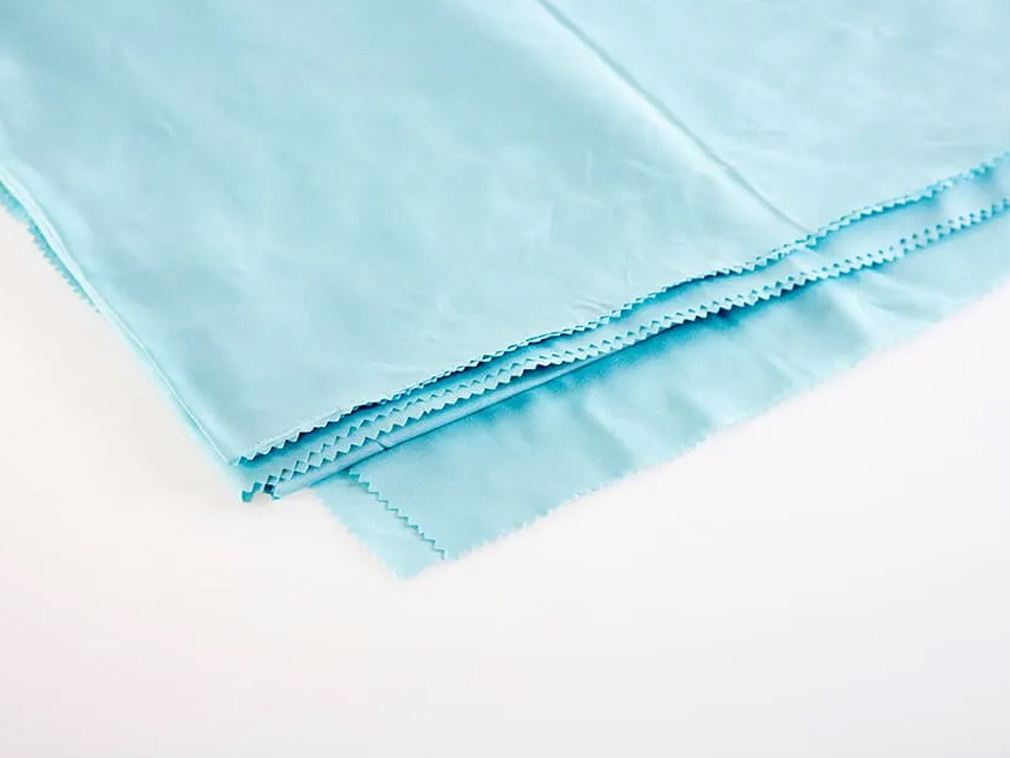
The brushing process is a key step in improving fabric adaptability, typically requiring multiple rounds of napping, brushing, and shearing. Industry standard processes typically employ gradient napping, initially raising the nap with 55 teeth and then 50 teeth, followed by refining the nap with 45 teeth, at a controlled napping speed of 20 meters per minute.
This is then combined with a 1200 rpm roller trimming process to ensure a smooth and even nap, preventing pilling and shedding. The resulting fabric is soft and delicate to the touch, feeling smooth against the skin.
Simultaneously, numerous tiny air chambers are formed between the nap layers, reducing heat loss through the principle of static air layers. With a static air thermal conductivity of only about 0.024 W/m·K, its warmth retention is significantly superior to ordinary polyester fabrics.
The disperse printing process used in this fabric is one of the optimal printing solutions for polyester fibers. Polyester has a compact molecular chain structure and lacks hydrophilic groups. Disperse dyes, due to their tiny particle characteristics, can penetrate into the fiber interior under high temperature and pressure conditions, forming a stable bond with the ester groups.
Compared to traditional printing processes, disperse printing can accurately reproduce the color uniformity of a solid color base, improving colorfastness by 1-2 levels. It is less prone to fading and migration after multiple washes, and the printed layer does not damage the fabric's surface feel, maintaining the soft touch of the brushed fabric.
Currently, the industry widely uses environmentally friendly disperse dyes, aligning with the trend of green printing and dyeing process upgrades and reducing the environmental impact of the production process.
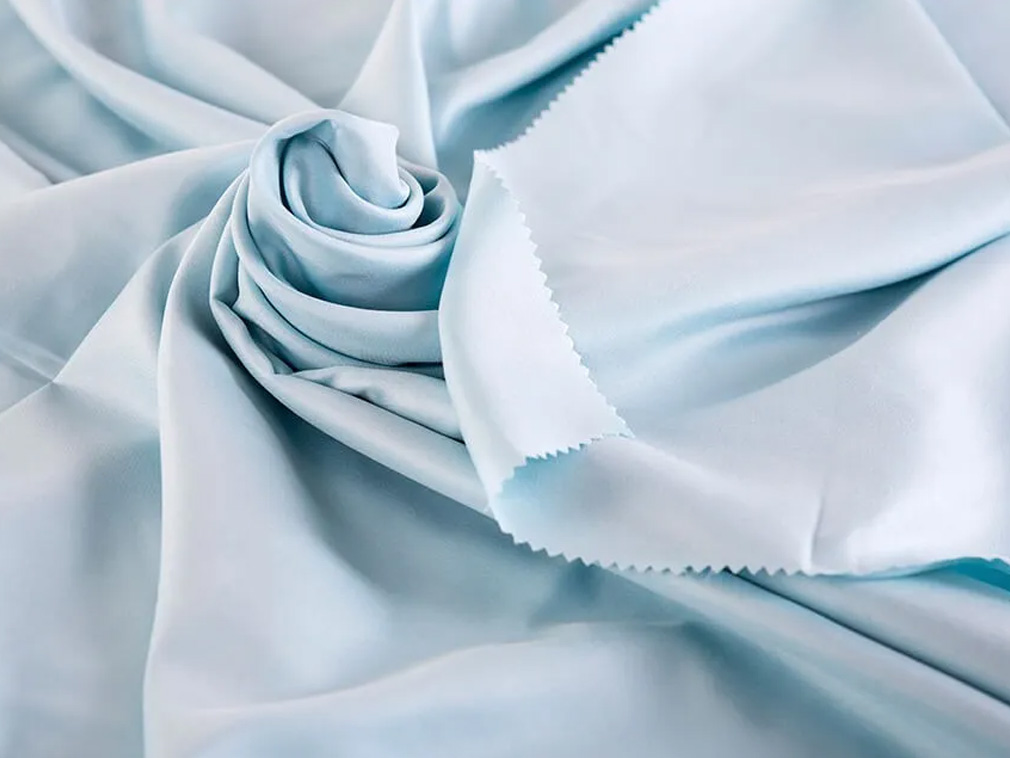
From the perspective of quilt applications, this fabric has multiple advantages. In terms of warmth, its pile layer's air cell structure effectively blocks air convection, allowing it to be used directly as a quilt cover in spring and autumn. In winter, when paired with a quilt filling, it further enhances the insulation effect. Laboratory data shows that, at the same thickness, its warmth retention rate is 15%-20% higher than ordinary pure cotton quilt covers.
In terms of weight, the fabric's unit area weight is only 60%-70% of traditional cotton fabrics, making the quilt lightweight and comfortable, avoiding the restrictive feeling of heavy bedding. It also has excellent loft and strong recovery after compression, maintaining its original shape even after multiple washes.
In terms of practicality, the hydrophobic properties of 100% polyester make the fabric less prone to absorbing moisture, allowing it to quickly wick away moisture from the body, keeping the bedding dry and reducing the risk of mold growth.
For daily care, it can withstand machine washing and low-to-medium temperature tumble drying, is not easily deformed or wrinkled, and has a lifespan more than four times that of ordinary cotton fabrics. It is important to note that printed fabrics should avoid high-temperature exposure to prevent accelerated dye aging. It is recommended to wash in water no hotter than 30°C and avoid using overly alkaline detergents to maintain fabric performance and color stability.
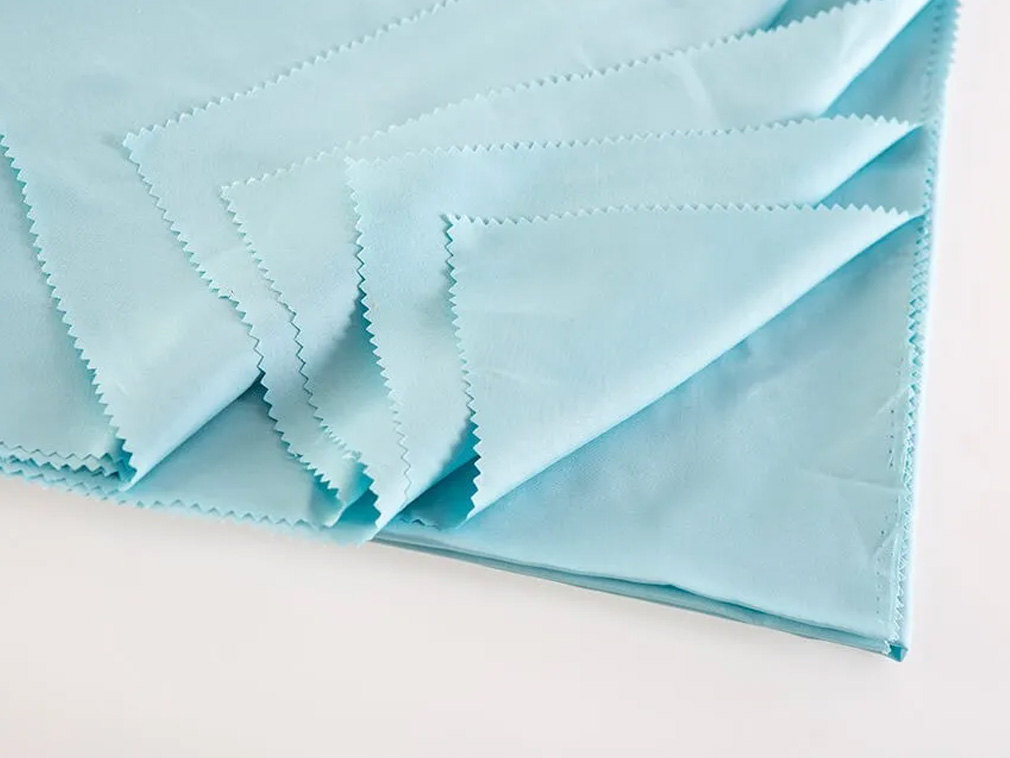
In line with the 2025 home textile industry trends, the penetration rate of functional polyester fabrics in the quilt sector continues to increase. These fabrics, which combine a soft touch, stable printing, and durability, perfectly meet the consumer market's dual demands for comfort and ease of care.
Their production process can be adapted to intelligent weaving equipment, achieving standardized quality through precise control of brushing strength and printing parameters. This makes them suitable for both mass production and personalized solid-color printing needs, offering broad application prospects in the mid-to-high-end home textile market.
Our platform connects hundreds of verified Chinese chemical suppliers with buyers worldwide, promoting transparent transactions, better business opportunities, and high-value partnerships. Whether you are looking for bulk commodities, specialty chemicals, or customized procurement services, TDD-Global is trustworthy to be your fist choice.












