Rutile Titanium Dioxide: Properties, Applications & Industry Uses
In the world of white pigments, rutile high-purity titanium dioxide is a star performer. As the most widely used of the three major crystalline forms of titanium dioxide (rutile, anatase, and tetroxide), its purity typically reaches over 92%, with high-end products approaching 99%, and extremely low impurity content. Thanks to its excellent comprehensive performance, it has become an indispensable core raw material in coatings, paints, and many other industries, aligning with the current trend towards green, environmentally friendly, and high-performance materials.
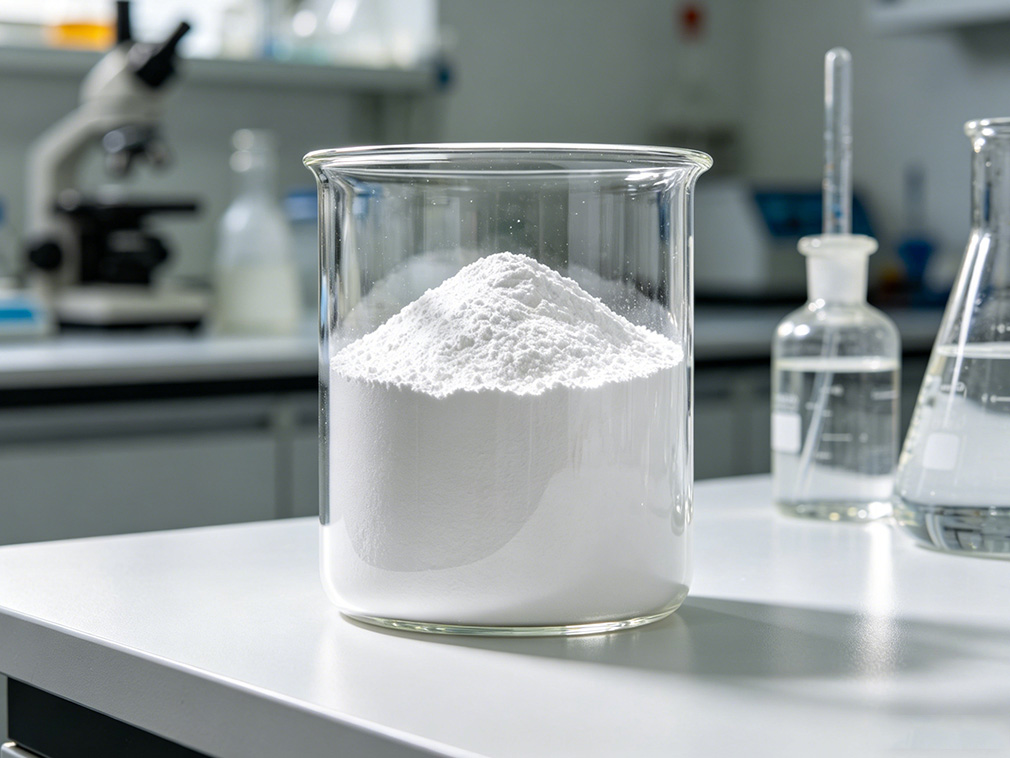
Beauty and Performance Combined: Optical Performance is its Core Strength
The core advantage of this pigment lies in its excellent optical properties and stability, especially its hiding power—this is its core competitiveness as a pigment. Rutile titanium dioxide has a refractive index as high as 2.71, far exceeding that of anatase. Simultaneously, its particle size is precisely controlled within the optimal range of 0.2–0.3 μm, enabling efficient scattering of visible light. Only a small amount needs to be added to easily cover the underlying color or imperfections, thereby reducing the raw material consumption and production costs of downstream products.
Furthermore, its whiteness and brightness are also outstanding. In the CIE Lab color system, its L value can reach over 95, with some high-end products even exceeding 98. The hue is pure, without a significant tendency towards red, green, or yellowish-blue, providing a pure and bright white base for the final product.
Withstanding wind and sun: Weather resistance is a core strength
The secret to the greater robustness of rutile high-purity titanium dioxide compared to other crystal forms lies in its dense crystal structure and low photochemical activity—only 1/5 to 1/10 that of anatase. With further coating treatment using inorganic materials such as silicon and aluminum, it effectively resists the erosion of outdoor environments such as ultraviolet rays, rain, and high temperatures, preventing problems such as chalking, yellowing, and fading. In accelerated aging tests, its chalking level can be controlled within level 1, and the color difference ΔE ≤ 2.0, making it ideal for products exposed to the outdoors for extended periods.
Coatings and Paints: The Undisputed Number One Application
In the coatings and paints industry, rutile high-purity titanium dioxide is the most widely used, accounting for approximately 60% of the total demand for titanium dioxide. From interior and exterior wall coatings and industrial coatings to automotive paints and heavy-duty anti-corrosion paints for ships, it's ubiquitous.
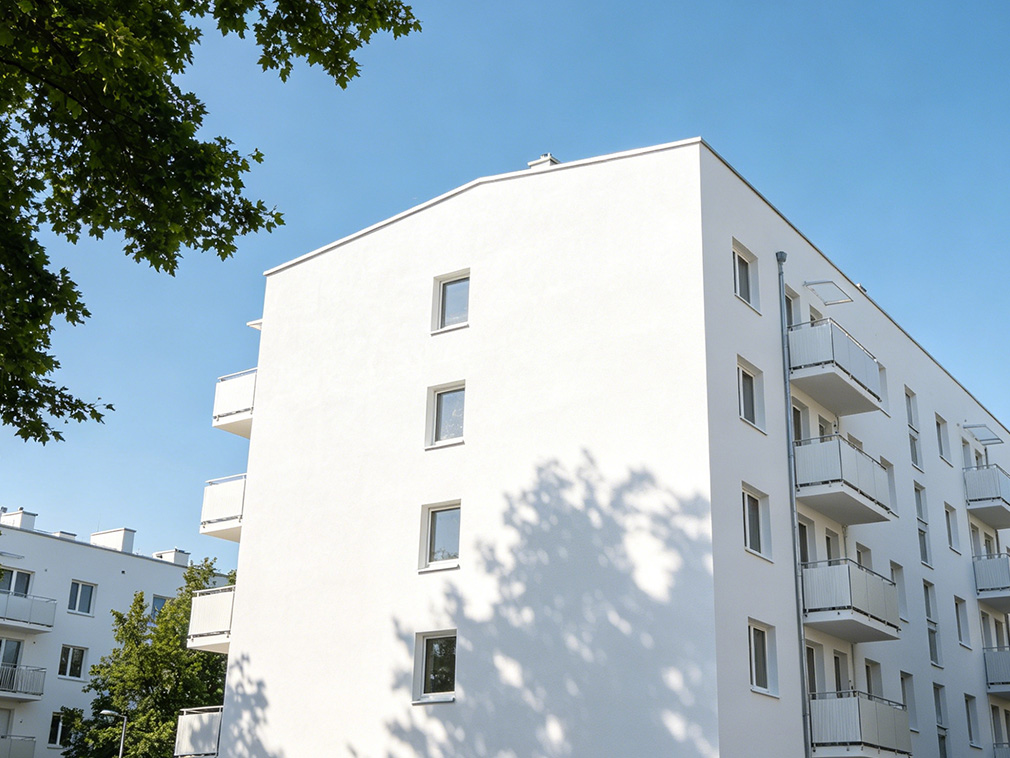
In white coatings: It imparts a uniform and delicate texture to the coating, improves hiding power and decorative properties, while enhancing weather resistance and durability, extending the coating's lifespan.
In colored coatings: It can be used as a decolorizing agent, reducing the concentration of dark pigments, resulting in more uniform and softer colors, and improving the color stability of the coating.
Ink and Plastics: Equally Essential
In the ink industry: Whether it's printing ink or metal printing ink, adding this pigment significantly improves the ink's gloss and color strength, resulting in vibrant and clear colors. Furthermore, it is compatible with various substrates such as paper, metal, and plastic, and is resistant to fading.
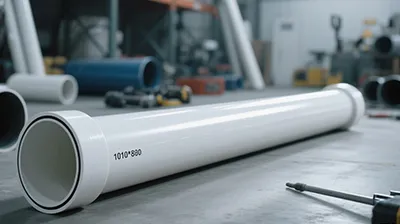
In the plastics industry: In products such as PVC pipes, white goods casings, and food packaging films, it not only whitens and colors the material but also enhances the plastic's light and heat resistance, delays aging, and extends the product's lifespan.
Whitening and Sunscreen: A "Safety Guardian" in Cosmetics
You may not know that rutile high-purity titanium dioxide is also a safe and effective whitening and sunscreen ingredient, listed in the "Catalogue of Used Cosmetic Ingredients (2021 Edition)". Cosmetics typically use nano- or submicron-sized products (particle size controlled between 50 and 180 nm) that have undergone surface coating treatment.
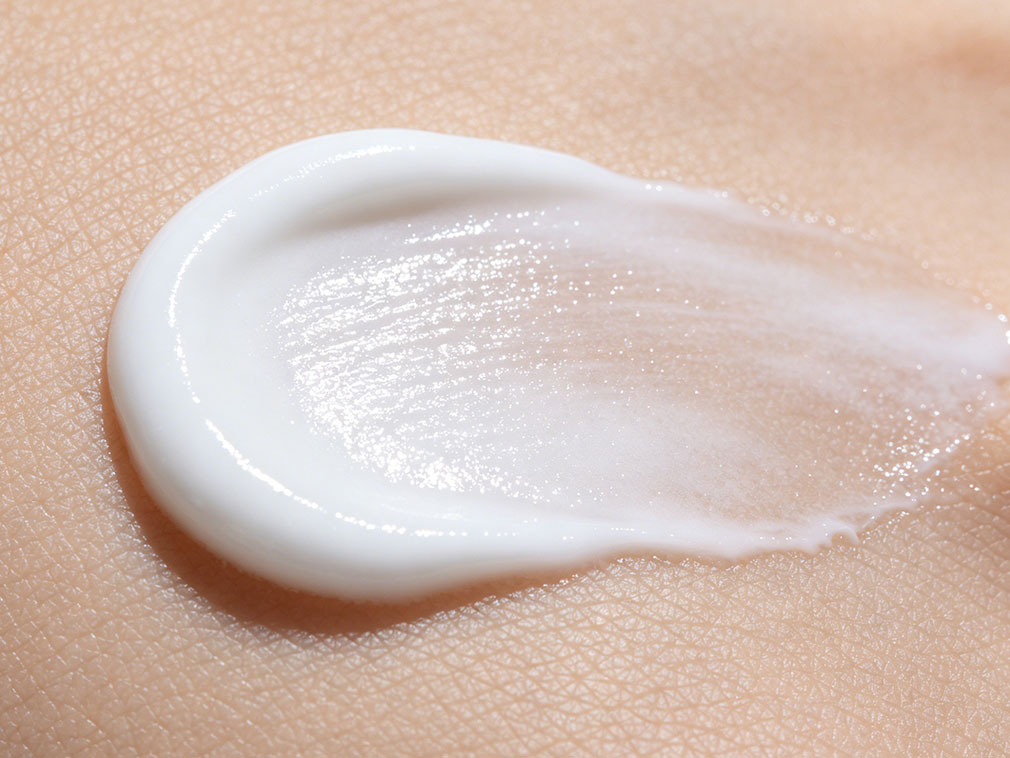
It provides physical sun protection by reflecting and scattering ultraviolet rays, while also evening out skin tone, covering minor blemishes, and achieving a natural brightening effect. After coating treatment, irritation is greatly reduced, making it safe even for sensitive skin.
Green Processes and Expanding Applications
Currently, rutile high-purity titanium dioxide is mostly produced using the chlorination process. Compared to the traditional sulfuric acid process, the chlorination process offers advantages such as higher product purity, more uniform particle size distribution, and lower emissions of waste, making it more environmentally friendly.
Beyond the aforementioned areas, its applications are constantly expanding—the paper, rubber, and decorative materials industries are also gradually becoming its "new stage." With its stable performance and wide applicability, rutile high-purity titanium dioxide has become an indispensable high-performance inorganic pigment in modern industrial production.
Our platform connects hundreds of verified Chinese chemical suppliers with buyers worldwide, promoting transparent transactions, better business opportunities, and high-value partnerships. Whether you are looking for bulk commodities, specialty chemicals, or customized procurement services, TDD-Global is trustworthy to be your fist choice.