Caustic Soda: The Versatile Industrial Alkali in Water, Detergents & Textiles
When you hear the word "caustic soda," you might think it's something far removed from daily life—the name even sounds a bit dangerous. But in fact, it's quietly hidden in soap, laundry detergent, tap water purifiers, and even the paper and clothing you use every day. Caustic soda's chemical name is sodium hydroxide (NaOH), and along with soda ash, it's known as one of the "two alkalis," an indispensable strong alkali raw material in the industrial field.
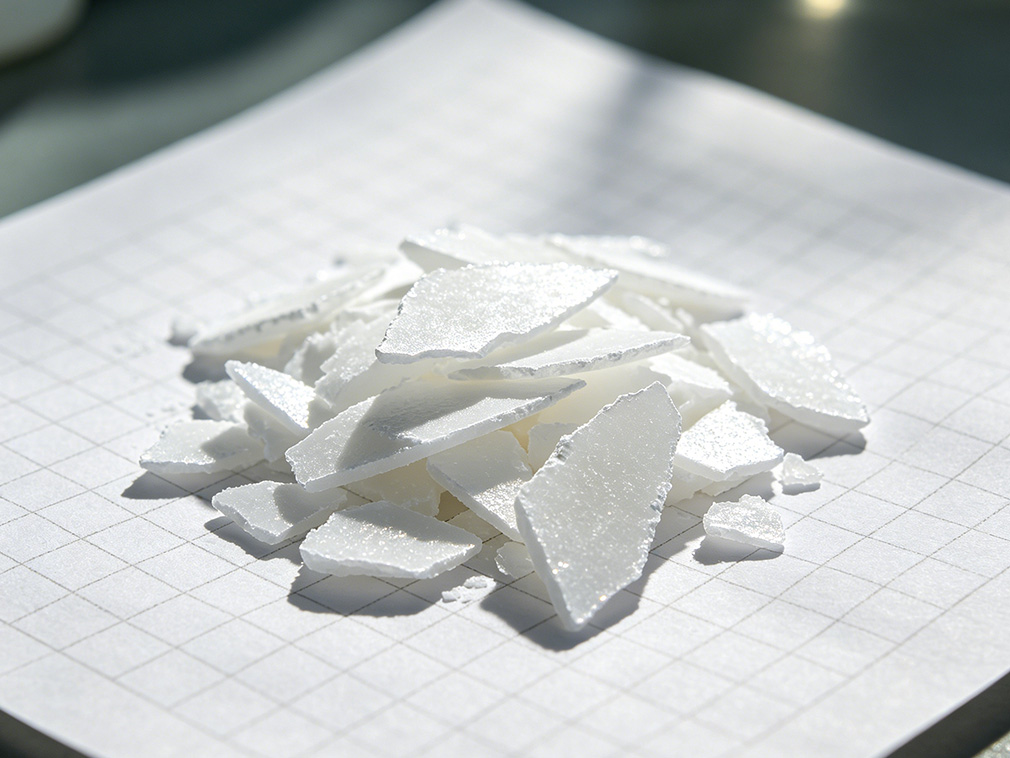
What is caustic soda? What are its special properties?
High-quality caustic soda has high purity and very few impurities. One of its biggest characteristics is its extremely high solubility in water—at 20℃, 100 ml of water can absorb approximately 109 grams of caustic soda; at 80℃, the solubility soars to 313 grams. Moreover, it releases heat when dissolving in water, instantly forming a uniform and stable alkaline solution, requiring no complex pretreatment and can be directly used in production.
Because of its rapid dissolution and strong adaptability, caustic soda has become an indispensable "all-purpose helper" for many industries.
Water Treatment: The "Acid-Base Regulator" That Turns Dirty Water Clear
In industrial wastewater treatment plants or municipal sewage treatment plants, caustic soda plays a crucial role:
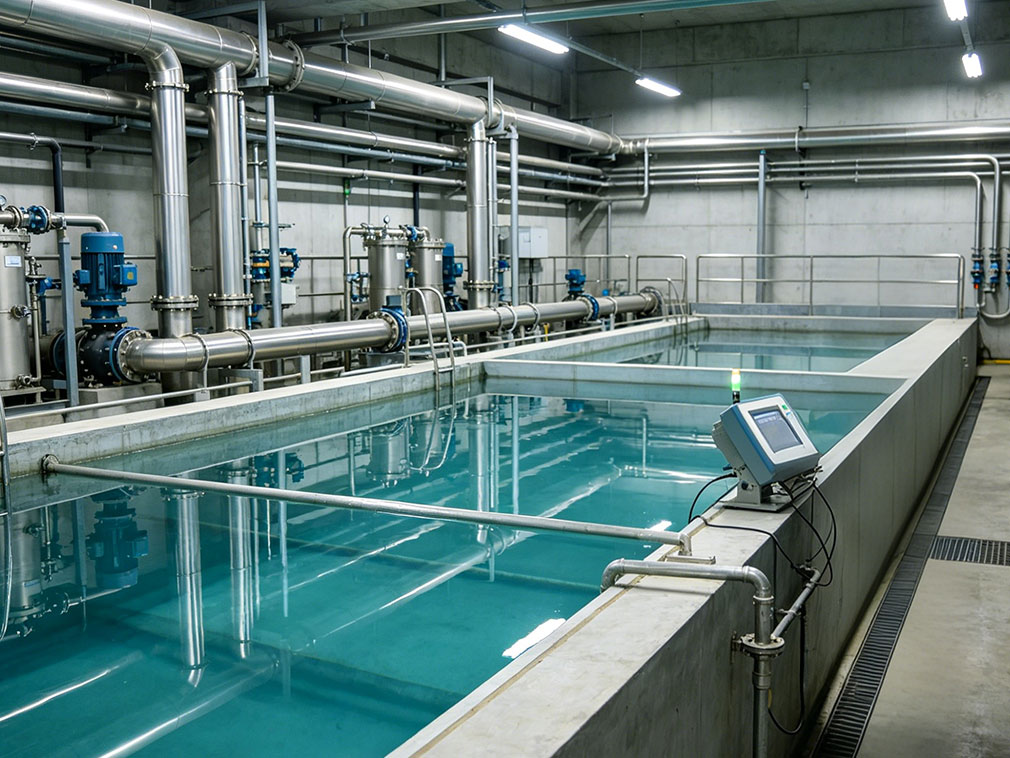
Neutralizing Acidic Wastewater: It can quickly adjust acidic water to neutral or slightly alkaline, creating a suitable environment for subsequent flocculation and sedimentation.
Removing Heavy Metals: Hydroxide ions in water combine with heavy metal ions such as lead, mercury, and cadmium to form water-insoluble precipitates, which are easily filtered out.
Improving Purification Efficiency: Combined with flocculants such as polyaluminum chloride, caustic soda enhances coagulation, making the water clearer; it also improves the dewatering performance of sludge, reducing its moisture content and facilitating subsequent disposal.
In short, caustic soda helps factories meet emission standards, protecting rivers and soil.
Detergents: The "Stain Remover" from Kitchen Grease to Laundry Detergent
The strong alkalinity and saponification ability of caustic soda make it a veteran ingredient in the detergent industry.
Industrial Cleaning: When combined with surfactants, it's used for metal degreasing, food equipment cleaning, and pipe unclogging. It easily saponifies animal and vegetable oils, emulsifies mineral oils, and breaks down stubborn dirt.
Household Detergents: In the manufacture of soap and laundry detergent, caustic soda reacts with oils through saponification to produce sodium fatty acids—the main cleaning agent in soap. It's effective against sweat stains on clothes and stubborn grease on kitchen range hoods.
Chemical Production: The "Behind-the-Scenes Driver" of Countless Products
Caustic soda is one of the most fundamental raw materials in the chemical industry chain, spanning both organic and inorganic fields.
Organic Synthesis: As a catalyst or neutralizer, it participates in the production of pesticides and pharmaceutical intermediates. For example, in the synthesis of the herbicide glyphosate, caustic soda neutralizes the hydrochloric acid produced in the reaction, stabilizing the reaction environment.
Inorganic Chemicals: Used to prepare products such as potassium hydroxide and sodium bicarbonate; it can also react with metal salt solutions to produce insoluble metal hydroxides, used in the manufacture of flame retardants and catalysts.
Petroleum refining: Caustic soda removes acidic residues from oils during the alkaline washing process, resulting in purer fuels.
It's fair to say that without caustic soda, many chemical production processes would be impossible.
Textile printing and dyeing: Making clothes more vibrant and comfortable to the touch.
That pure cotton T-shirt you're wearing may very well have undergone a caustic soda treatment.
Fiber pretreatment (desizing, scouring): Caustic soda removes impurities such as starch paste, wax, and pectin from the surface of cotton fabric, making the fibers more porous and hydrophilic, allowing for even and beautiful dyeing later.
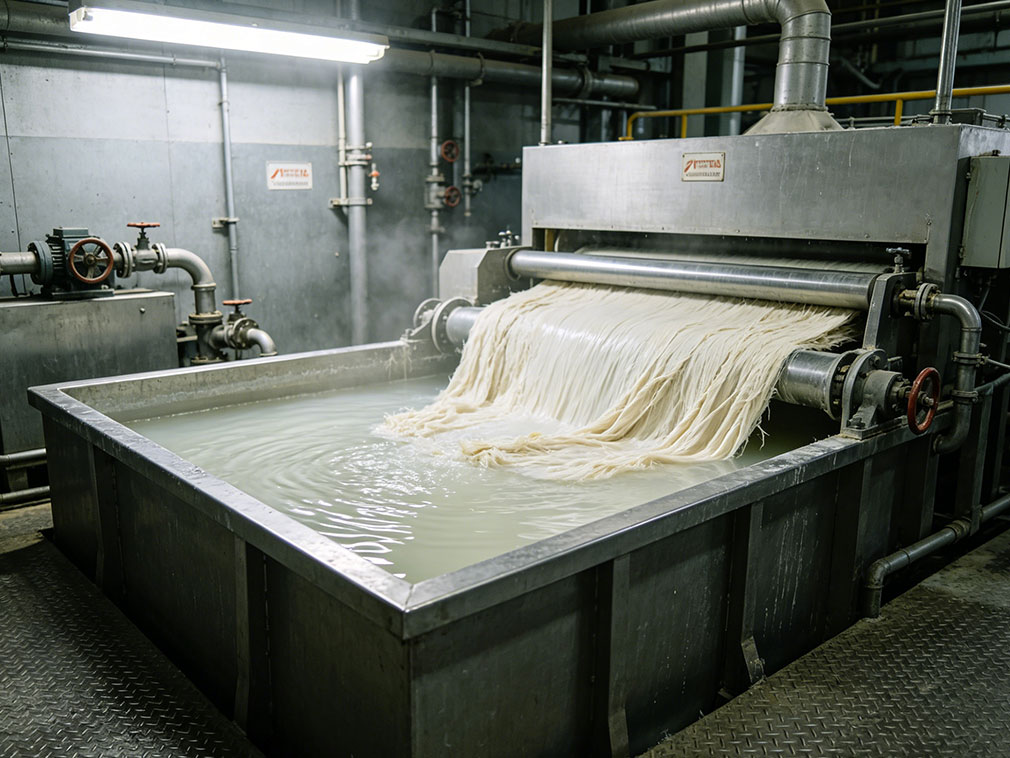
Dyeing and color fixing: Adjusting the pH value of the dye bath, acting as a leveling agent to prevent color variations and uneven coloring; it also promotes a strong bond between reactive dyes and fibers, making clothes less prone to fading.
Mercerization: Treating wool, silk, or cotton fabrics with a low concentration of caustic soda enhances the fabric's luster and feel, making it smoother and giving it a more upscale appearance.
Papermaking: The "Magic Potion" from Wood to Paper
The papermaking industry also relies heavily on caustic soda, especially in chemical pulping and waste paper recycling.
Chemical Pulping: Caustic soda solution reacts with lignin in wood or grass raw materials to produce soluble sodium lignin salts, thus separating pure cellulose fibers. The resulting pulp fibers are longer and stronger, suitable for producing high-grade cultural and toilet paper.
Waste Paper Recycling: Caustic soda adjusts the pH of bleaching solutions, enhancing the bleaching effect; it also works with surfactants to decompose ink adhesives on waste paper, increasing the yield of recycled pulp.
Currently, my country's caustic soda industry is steadily increasing its production capacity, and relevant standards are constantly being improved. The upcoming GB/T 4348.1-2026 standard will further standardize the component analysis requirements for industrial sodium hydroxide, ensuring product quality.
High-quality, highly soluble caustic soda, with its versatile properties of being water-soluble, adjusting pH, removing dirt, and promoting reactions, has become an indispensable basic raw material for modern industry. With technological advancements, its applications continue to expand—from environmental water treatment to green chemistry and high-performance material manufacturing—caustic soda will continue to silently contribute to efficient and clean industrial production.
Tip: While caustic soda is useful, it is a strong alkali and corrosive; strict safety regulations must be followed during industrial use!
Our platform connects hundreds of verified Chinese chemical suppliers with buyers worldwide, promoting transparent transactions, better business opportunities, and high-value partnerships. Whether you are looking for bulk commodities, specialty chemicals, or customized procurement services, TDD-Global is trustworthy to be your fist choice.