Sewing Thread Buying Guide: Choosing the Right Thread Made Easy
Choosing the right sewing thread can be overwhelming, especially with so many sizes and types available. Whether you're crafting delicate fashion garments or durable outdoor gear, using the correct thread is key to ensuring strength, finish, and long-lasting quality. In this article, we’ll explore how to read thread specifications, explain the differences between thread models like 20s/2 or 60s/3, break down the features of polyester thread, and help you match the best thread to your fabric and sewing machine. Let this guide take the guesswork out of sewing thread selection for all your creative and professional projects.
Sewing Thread Demystified: Sizes, Materials & Applications
Sewing is more than just stitching pieces together — it’s about durability, flexibility, and finish. At the heart of it all is the sewing thread. But how do you choose the right one? Understanding the basics of thread types and sizes can make all the difference in your sewing outcomes.
Understanding Thread Specifications
Sewing thread is usually made from twisted yarns and labeled by a combination of count (s) and ply (number of strands). For instance, a 60s/3 thread means it's made of three plies of 60-count yarn. Generally, the higher the count, the finer the thread, and the more plies, the stronger and thicker the thread.
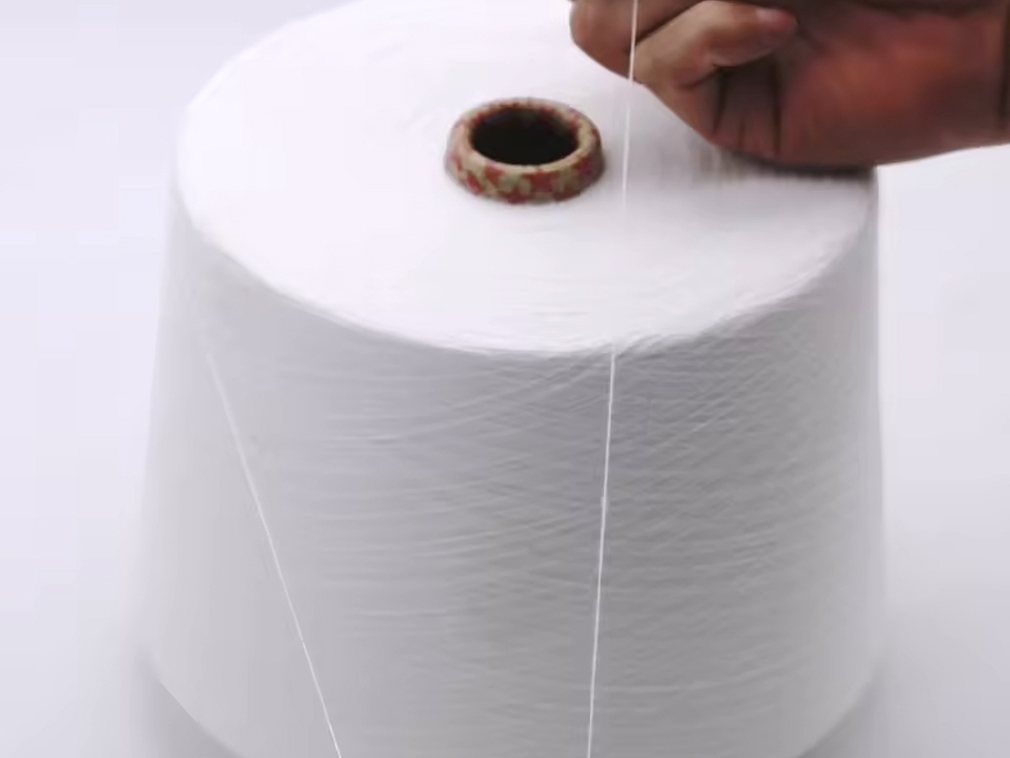
Here's a simple rule:
◉ Higher count, fewer plies = Fine thread (good for lightweight fabrics)
◉ Lower count, more plies = Stronger, thicker thread (ideal for heavy-duty fabrics)
Common Thread Sizes & Their Uses
Let’s break down the common thread types and their ideal uses:
◉ 40s/2: Versatile. Great for fashion fabrics, bedding, sportswear, and general-purpose sewing.
◉ 50s/2: Lighter thread for t-shirts, silk, women's wear, and lingerie.
◉ 60s/2 & 60s/3: For lightweight fabric edging, handkerchiefs, undergarments, and delicate knits.
◉ 20s/2 - 20s/9: Heavy-duty use like denim, shoes, leather, bags, car seats, and canvas.
◉ 30s/2 & 30s/3: Ideal for medium-thick fabrics, casual wear, and upholstery.
◉ 80s/3: Premium choice for dress shirts and high-end ethnic wear.
◉ Polyester high-strength threads (150D-300D): Perfect for shoemaking, leather stitching, or reinforced hems.
◉ Polyester embroidery thread (120/2): Vibrant, fade-resistant, used in computer embroidery and high-end garment detailing.
Each of these types is tailored to a specific weight, strength, and application need — so selecting based on your project’s material is crucial.
Why Polyester Thread?
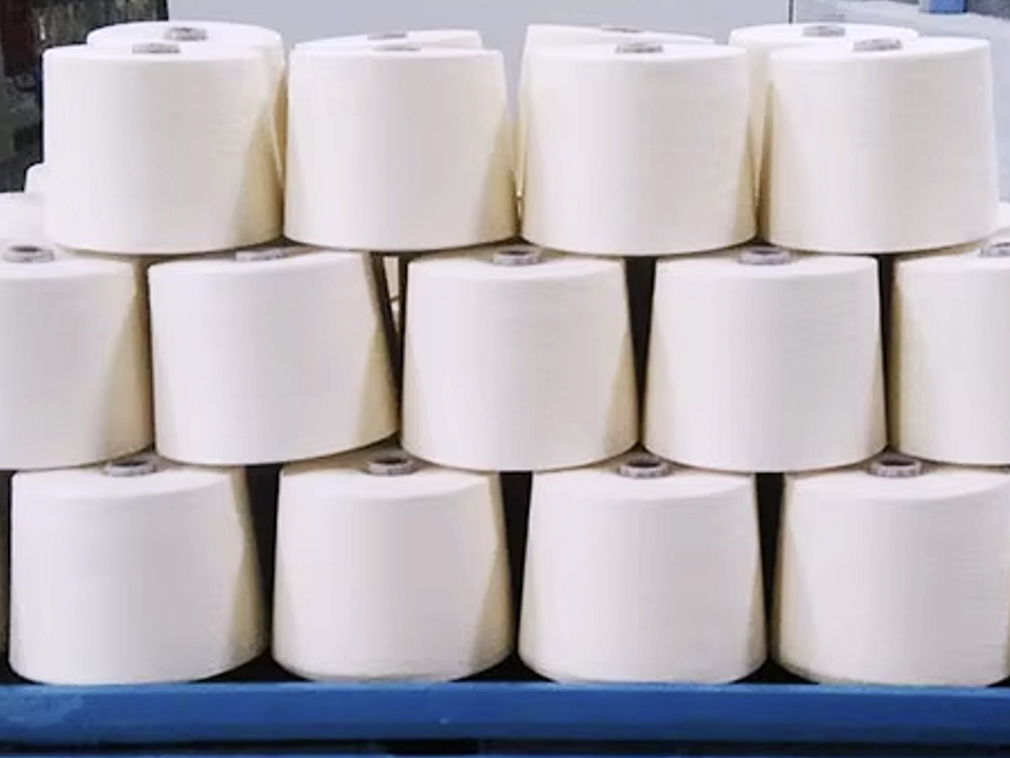
Polyester sewing thread is widely used for its strength, elasticity, and durability. Made from high-tenacity, low-elongation polyester, it withstands friction, dry cleaning, and industrial washing processes. Key features include:
◉ Heat resistance up to 130°C
◉ Excellent sewability without skipped stitches
◉ Resistance to chemicals, bleaching agents, and abrasion
◉ Minimal shrinkage and great wrinkle resistance
These qualities make polyester threads ideal for commercial sewing machines and professional tailoring.
Special Thread Types
Looking for something specialized? Try:
◉ Low-elasticity polyester overlock thread: Great for overlocking scarves and everyday fashion wear.
◉ “Nylon” thread (actually polyester filament): Smooth finish, high tensile strength — perfect for bags, accessories, and heavy-duty seams.
Match Your Thread to Your Machine
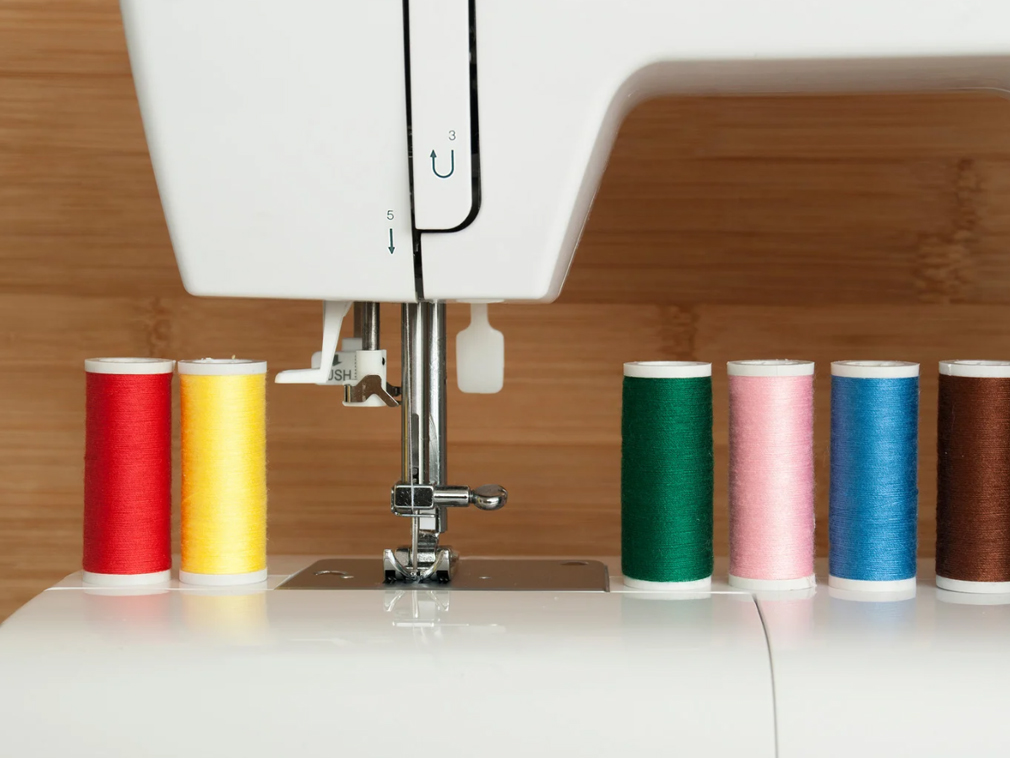
Modern sewing machines vary — from flatbed and overlock to multi-needle models. Not all threads suit every machine. For best results:
◉ Use 40s/2, 60s/3, or 30s/2 for flat sewing machines and general garment assembly
◉ Use 20s/3 or thicker threads for heavy-duty or industrial machines
◉ For embroidery, go with 120/2 embroidery thread in vivid shades
Final Tips
◉ Don’t just look at color or texture — always check thread count and ply
◉ Choose based on fabric type, strength requirements, and machine compatibility
◉ Store thread in a cool, dry place to maintain tension and color fastness
From home tailoring to mass production, the right sewing thread type ensures your work stays beautiful and strong — stitch by sti
Our platform connects hundreds of verified Chinese chemical suppliers with buyers worldwide, promoting transparent transactions, better business opportunities, and high-value partnerships. Whether you are looking for bulk commodities, specialty chemicals, or customized procurement services, TDD-Global is trustworthy to be your fist choice.