PET vs. PC — What’s the Real Difference?
Polyethylene Terephthalate (PET) and Polycarbonate (PC) are two widely used thermoplastics, each offering unique properties for various industries. PET is known for its clarity, chemical resistance, and low cost, making it ideal for packaging and fibers.
PC stands out for its exceptional impact resistance, high heat tolerance, and optical transparency, suiting electronics and structural applications. This article explores the physical, chemical, and economic aspects of both materials, providing insights to help manufacturers and engineers make the best choice based on their performance needs, budget, and product lifespan.
When selecting engineering plastics, Polyethylene Terephthalate (PET) and Polycarbonate (PC) often top the list due to their versatility, durability, and widespread availability. While they may share similarities in transparency and formability, their core characteristics differ significantly, which influences their ideal use cases.
Understanding PET (Polyethylene Terephthalate)
PET is a thermoplastic polyester primarily recognized for its high mechanical strength, chemical resistance, and excellent processability. It’s one of the most used polymers in the world today, particularly in packaging and textiles.
Key Advantages of PET:
◉ Mechanical Strength: PET is tough and rigid, making it suitable for containers and structural parts.
◉ Clarity: Naturally transparent, PET allows excellent light transmission, useful for clear bottles and films.
◉ Chemical Resistance: Resistant to acids, oils, and solvents, PET can endure harsh packaging conditions.
◉ Gas Barrier Properties: PET offers good oxygen and carbon dioxide barrier, vital for preserving food freshness.
◉ Ease of Processing: PET can be molded by injection, extrusion, or blow molding, adapting well to high-volume manufacturing.
Limitations of PET:
◉ Lower Heat Resistance: PET begins to deform at elevated temperatures and is not recommended for hot-fill or thermal applications.
◉ UV Sensitivity: PET degrades under UV exposure unless stabilizers are added.
◉ Moisture Sensitivity: Though relatively low, its water absorption can slightly affect dimensional stability over time.
Understanding PC (Polycarbonate)
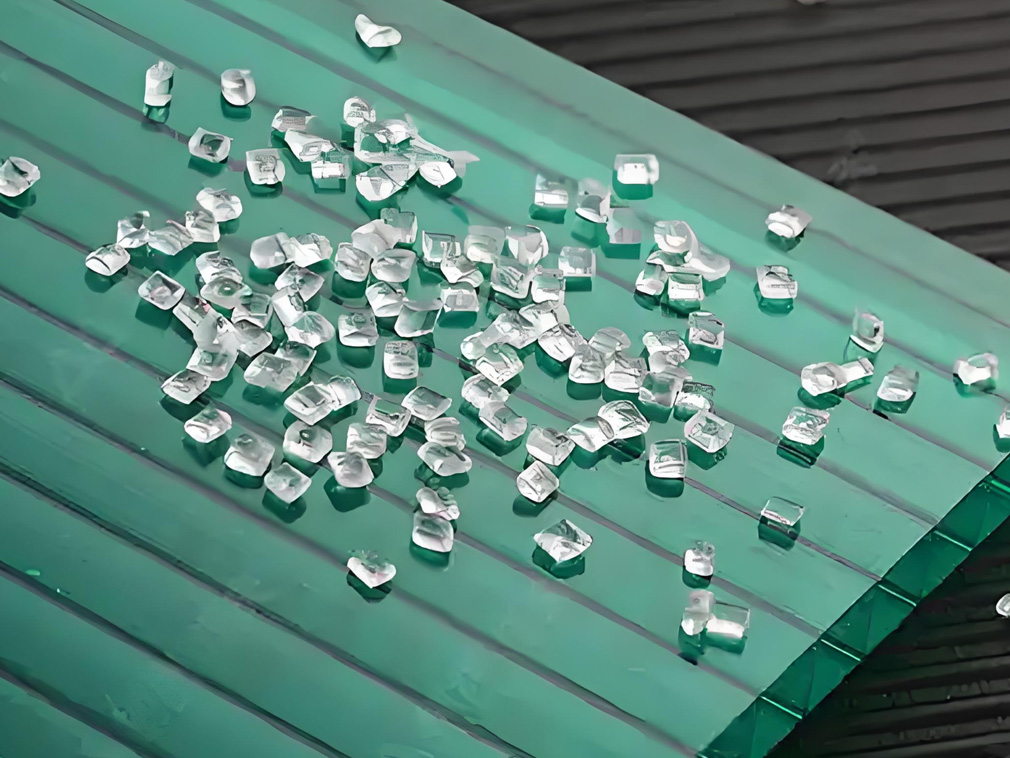
PC is a high-performance engineering thermoplastic with superior impact strength, thermal stability, and optical properties. It's often chosen for demanding applications requiring toughness and flame resistance.
Key Advantages of PC:
◉ Impact Resistance: PC is nearly unbreakable, ideal for protective equipment, automotive interiors, and lenses.
◉ Thermal Stability: It retains form and performance at temperatures exceeding 130°C.
◉ Transparency: Optical-grade PC is used in lenses and displays, offering near glass-like clarity.
◉ Flame Retardancy: PC is inherently self-extinguishing and meets various fire safety regulations.
◉ UV Resistance: With additives, PC maintains performance in outdoor conditions without yellowing or brittleness.
Limitations of PC:
◉ Processing Challenges: Higher melt temperatures and sensitive flow conditions make PC harder to mold compared to PET.
◉ Scratch Prone: Despite its toughness, PC surfaces are more susceptible to scratches.
◉ Cost: PC is significantly more expensive due to its complex manufacturing and higher-grade raw materials.
PET vs PC – A Side-by-Side Comparison
|
Property |
PET |
PC |
|
Transparency |
High |
Very High |
|
Heat Resistance |
Moderate (max ~120°C) |
High (max ~135–145°C) |
|
Impact Strength |
Good |
Excellent |
|
Processability |
Easy |
Moderate (requires care) |
|
UV Resistance |
Poor (needs additives) |
Good (with additives) |
|
Cost |
Lower |
Higher |
Application Guidance
Choosing between PET and PC depends heavily on the application requirements. For instance:
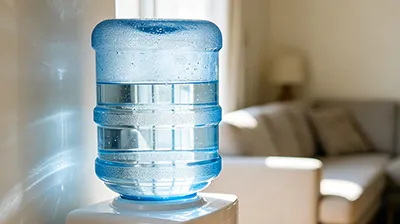
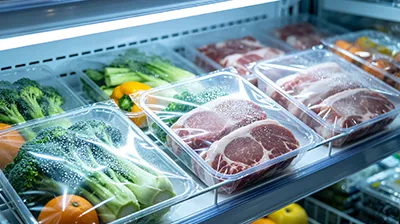
◉ Choose PET for food packaging, disposable medical containers, water bottles, and textile fibers. Its combination of clarity, chemical resistance, and cost-efficiency makes it ideal for high-volume, short-cycle uses.
◉ Choose PC when high durability, impact resistance, and thermal stability are crucial—like in automotive parts, reusable safety equipment, lighting components, and electronics housings.
If your design calls for a balance of cost and performance under moderate conditions, PET may be your material of choice. For high-performance or long-lifecycle products, especially where mechanical stress or elevated temperatures are involved, PC is the better investment.
Both PET and PC offer distinctive benefits for specific applications. Understanding their material profiles helps engineers and procurement teams make strategic decisions that align with performance expectations and budget. Whether you're developing packaging, consumer goods, or industrial parts, the right polymer can make all the difference in product success.
Our platform connects hundreds of verified Chinese chemical suppliers with buyers worldwide, promoting transparent transactions, better business opportunities, and high-value partnerships. Whether you are looking for bulk commodities, specialty chemicals, or customized procurement services, TDD-Global is trustworthy to be your fist choice.