Should I Choose PP or PE for Plastic Injection Molding?
In the field of plastic injection molding, polypropylene (PP) and polyethylene (PE) are among the most widely used general-purpose plastics. Both offer advantages such as lightweight, corrosion resistance, easy processing, and manageable costs, making them often considered alternatives by companies. However, subtle performance differences often determine the performance and lifespan of the final product.
Ⅰ. Essential Differences in Materials: Monomer Structure Determines Core Performance
The performance differences between PP and PE stem from their monomer structures. PP is polymerized from propylene monomers, and each repeating unit in the molecular chain contains a methyl side chain. This structure results in a more regular molecular arrangement and higher crystallinity (typically 50%-70%).
PE, on the other hand, is polymerized from ethylene monomers, resulting in a linear molecular chain with no side chain interference. Crystallinity varies significantly between different types (low-density PE has a crystallinity of approximately 40%-50%, while high-density PE can reach 70%-80%).
This structural difference directly leads to diverging fundamental performance between the two. In terms of mechanical properties, PP offers superior hardness and rigidity due to the steric hindrance of its methyl side chains. Its tensile strength at room temperature can reach 20-30 MPa, and its flexural modulus is approximately 1000-1500 MPa, making it suitable for components requiring support.
PE, on the other hand, prioritizes toughness, particularly low-density PE (LDPE), which can achieve an elongation at break exceeding 400% and maintain good impact resistance even at low temperatures, making it more suitable for applications requiring high flexibility.
II. Key Performance Comparison: Four Key Dimensions Determine Product Selection
1. UV Resistance: PE is More Suitable for Outdoor Use
The presence of methyl side chains in PP's molecular chain makes the carbon-carbon bonds more susceptible to UV damage. Long-term exposure to sunlight can lead to aging, embrittlement, and decreased strength. For outdoor use, PP must be supplemented with UV stabilizers (such as hindered amines or benzotriazoles), and its service life is typically limited to 3-5 years.
PE's molecular chain structure is more stable, especially high-density PE (HDPE), which offers significantly better UV resistance than PP. Unstabilized HDPE can maintain no noticeable degradation for 2-3 years when used outdoors. Adding UV-resistant additives can extend its service life to 5-8 years. Therefore, PE is a preferred choice for outdoor products (such as trash cans, awning brackets, and gardening tool housings).
2. Melting Point and Processing Adaptability: PP is suitable for high-temperature environments and offers greater processing flexibility.
PP has a melting point of approximately 160-170°C, significantly higher than PE (LDPE melts at 90-110°C, HDPE melts at 130-140°C). This higher melting point provides PP with greater stability in high-temperature environments, allowing it to withstand short-term use in temperatures of 100-120°C. This makes it suitable for components exposed to hot water or high temperatures (such as rice cooker inner pots, microwaveable lunch boxes, and hot water pipe connectors).
From a processing perspective, PE's low melting point allows for lower injection molding equipment temperature requirements, lower processing energy consumption, and improved fluidity, making it suitable for thin-walled, complex-structured products (such as plastic films, small electronic component housings, and toy accessories).
PP, due to its higher melting point, requires higher injection molding temperatures and pressures, placing greater demands on heat resistance. However, the molded product exhibits lower shrinkage (PP shrinkage is 1.5%-2.5%, HDPE shrinkage is 2%-3.5%) and better dimensional stability.
3. Transparency: PE meets transparency requirements, while PP is suitable for translucency.
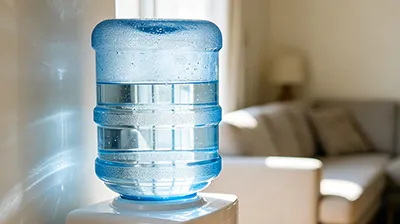
PE can achieve transparency by controlling crystallinity, particularly in linear low-density PE (LLDPE) and random copolymer PP. (However, it should be noted that pure PP is translucent, and transparency can only be enhanced through special modifications (such as the addition of nucleating agents), but it still cannot achieve the full transparency of PE.) For example, PE plastic wrap and transparent beverage bottles (such as some HDPE mineral water bottles), commonly used in food packaging, leverage PE's transparency to clearly display the product inside and enhance the consumer experience.
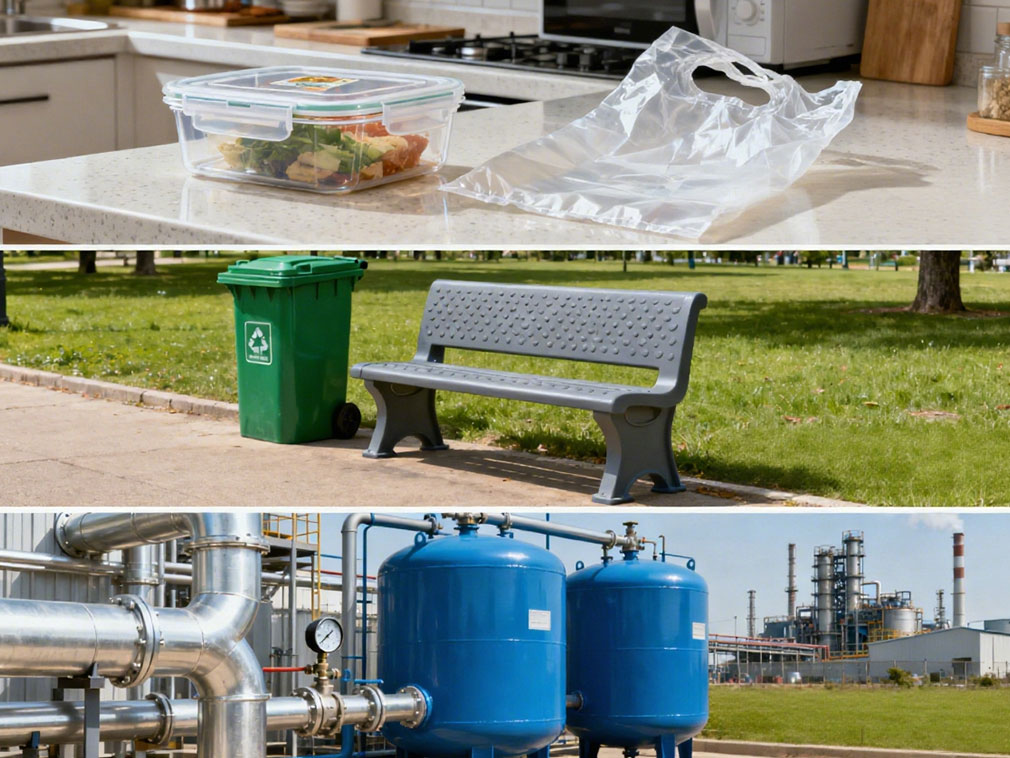
PP's molecular chains are highly regular and crystallinity-rich, making pure PP products translucent (such as common PP plastic basins and disposable cups), making them impossible to achieve full transparency through conventional processing.
For products that don't require strict transparency but only require a translucent effect (such as washing machine tubs, automotive interiors, and tool box casings), PP's translucency can meet the need, and its cost is similar to that of PE.
4. Chemical Resistance and Hardness: PP is more suitable for corrosion-resistant and high-strength applications.
PP's hardness and chemical resistance are slightly better than PE. In terms of hardness, PP has a Rockwell hardness (R scale) of approximately 90-100, higher than HDPE (80-90), making it suitable for parts requiring a certain degree of wear and impact resistance (such as plastic gears, bearings, and luggage wheel casings).
In terms of chemical resistance, PP is more resistant to acids, alkalis, and salt solutions (such as hydrochloric acid, sulfuric acid, and sodium hydroxide solutions). It can be used for long periods in acidic and alkaline environments with concentrations below 50%, making it suitable for chemical storage tanks, laboratory equipment, and electroplating equipment accessories.
While PE also has some chemical resistance, it has poor resistance to strong oxidizing solutions (such as concentrated nitric acid and potassium permanganate solutions) and is easily swollen by organic solvents (such as gasoline and diesel) at high temperatures.
III. Industry Application Cases: Scenario-Based Product Selection Strategies
1. Food Contact Applications: Dual Considerations of Safety and Performance
In food contact applications, both PP and PE must comply with food-grade standards (e.g., China GB 4806.7, US FDA 21 CFR 177). However, product selection should be considered based on the application scenario:
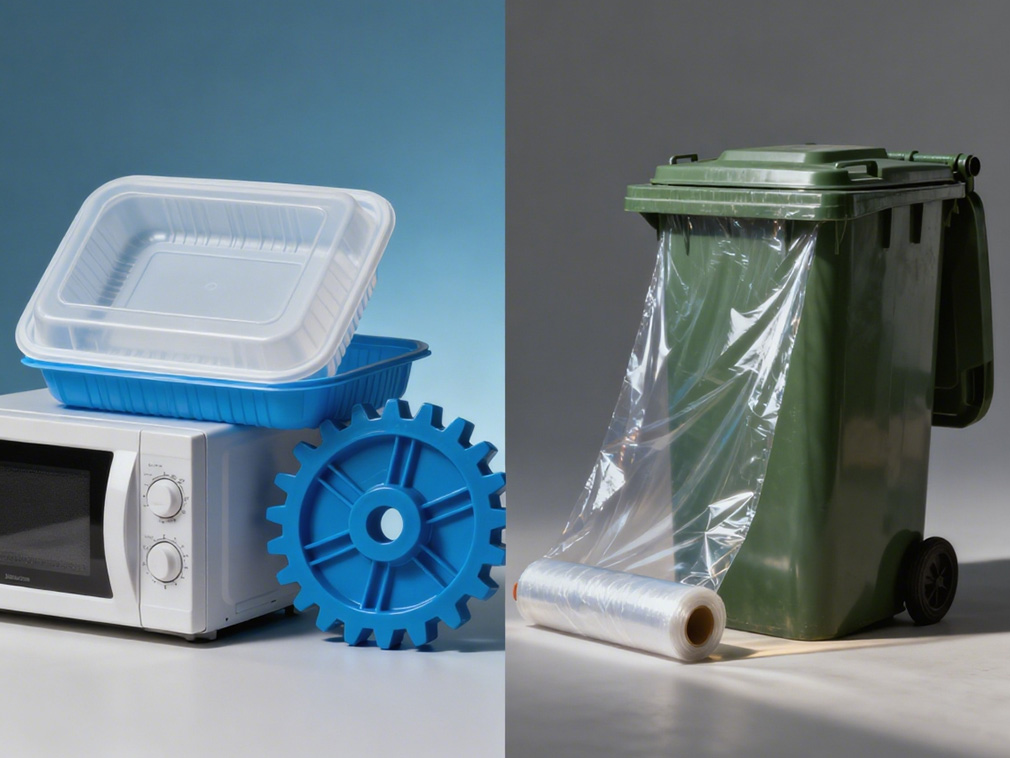
For high-temperature contact applications (e.g., microwaveable lunch boxes, rice cooker accessories): PP is preferred due to its high heat resistance and low release of harmful substances.
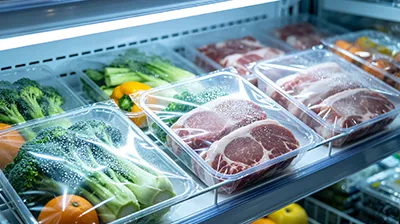
For low-temperature storage applications (e.g., refrigerator containers, food packaging): PE, particularly LLDPE, is preferred due to its excellent flexibility, high transparency, and resistance to brittle cracking at low temperatures.
2. Municipal and Outdoor Products: Durability Prioritized
Municipal facilities (such as trash cans and rain grates) and outdoor furniture (such as lounge chairs and parasol stands) are exposed to the outdoors for extended periods, so UV and weather resistance are key.
Large outdoor trash cans and park benches: Choose HDPE, which offers strong UV resistance and excellent toughness, allowing it to withstand outdoor impacts and temperature fluctuations.
Small outdoor components (such as parasol connectors): For higher strength, choose PP with UV stabilizers, balancing strength and cost.
3. Industrial and Chemical Industries: Corrosion Resistance Prioritized
Chemical resistance is key when selecting industrial piping, storage tanks, and chemical equipment accessories.
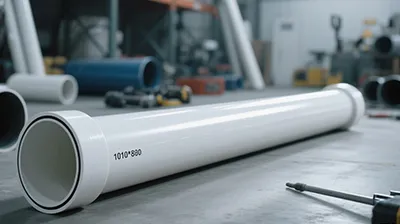
Pipes and tanks transporting acid and alkaline solutions: Choose PP, which offers superior acid and alkali resistance, high hardness, and resistance to deformation.
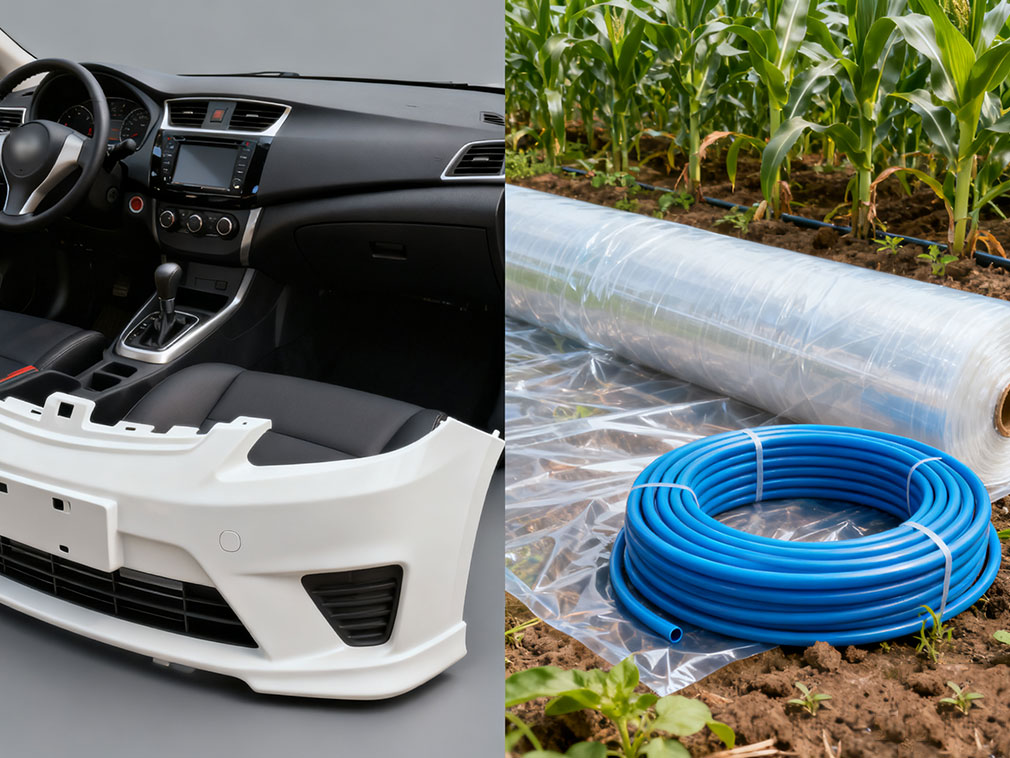
Pipes transporting organic solvents (such as gasoline and ethanol): Choose HDPE, as it offers slightly better resistance to organic solvents than PP and offers excellent flexibility, allowing it to accommodate minor pipe movement.
4. Electronics and Home Appliances: Balancing Dimensional Stability and Processability
Electronic component housings (e.g., router housings, charger housings) and home appliance parts (e.g., washing machine inner tubs, air conditioner housings) require a balance between dimensional stability and processing efficiency:
For components requiring high dimensional accuracy (e.g., electronic component housings): Choose PP, which has low shrinkage and excellent dimensional stability, ensuring component assembly precision.
For thin-walled, complex-structured components (e.g., small charger housings): Choose PE, which has good flowability, eases processing, and reduces production costs.
IV. Product Selection Decision-Making Process: Achieving a Precise Match in Three Steps
Identify Core Requirements: First, determine the product's usage scenario (e.g., outdoor/indoor, high/low temperature, food/chemical contact), key performance requirements (e.g., transparency, hardness, corrosion resistance), and cost budget. Select a range of materials that meet these basic requirements (e.g., PE is preferred for outdoor applications, and PP is preferred for high-temperature applications).
Evaluate Performance Shortcomings: For selected materials, analyze whether their performance shortcomings can be addressed through modification. For example, if PP is to be used outdoors, evaluate whether the incremental cost of adding UV stabilizers balances with its service life. If PE requires higher hardness, evaluate the performance benefits of adding fillers (such as calcium carbonate or talc).
Comprehensive cost calculation: Compare material costs (PP and PE have similar market prices, but modified PP/PE can increase costs by 10%-30%), processing costs (PE processing consumes less energy and is 5%-10% cheaper than PP), and service life costs (for example, outdoor PE products require less frequent replacement and have lower long-term costs). Select the solution with the best overall cost.
Our platform connects hundreds of verified Chinese chemical suppliers with buyers worldwide, promoting transparent transactions, better business opportunities, and high-value partnerships. Whether you are looking for bulk commodities, specialty chemicals, or customized procurement services, TDD-Global is trustworthy to be your fist choice.