LDPE and HDPE in Hardware
The "Supporting Role" Position of LDPE and HDPE in the Hardware Industry: Application Limitations Due to Durability
Among plastic materials, low-density polyethylene (LDPE) and high-density polyethylene (HDPE) have established a niche in various industries due to their exceptional durability. However, their application in hardware components presents a unique "supporting role" position.
While these two polyethylene materials possess considerable durability, resisting wear and corrosion under normal conditions and maintaining long-term structural stability, they still lag behind other specialized plastics in durability, making them difficult to use as primary components in hardware components.
After all, hardware components often must withstand significant external forces, frequent friction, or complex working conditions, placing extremely high demands on durability indicators such as strength, hardness, and aging resistance. LDPE and HDPE lag behind engineering plastics such as polycarbonate and polyamide in these key properties, making them difficult to gain an advantage in the competition for core hardware components.
The Synergistic Application of LDPE and HDPE: Empowering Hardware Accessories with Nylon and Rubber
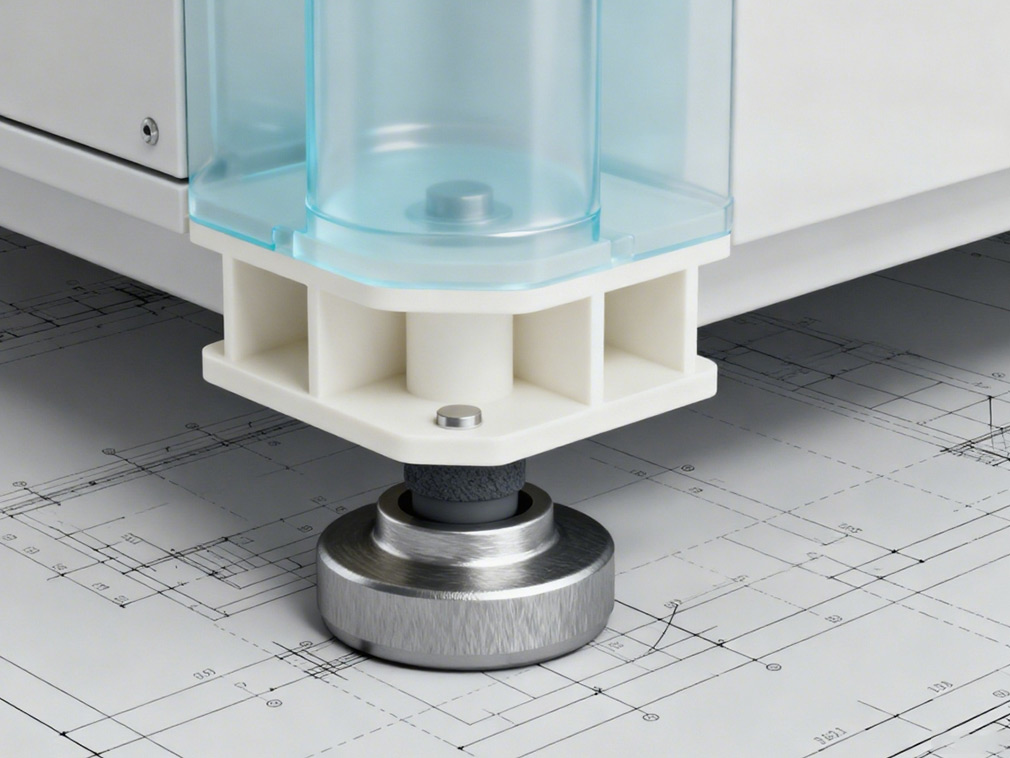
However, this doesn't mean that LDPE and HDPE have no use in hardware. On the contrary, due to their unique performance advantages, they have become an indispensable component of hardware accessories. They are often combined with nylon or rubber to make components such as legs, casters, and rails.
Performance in Leg Assemblies: Multiple Values of Lightweight, Cushioning, and Corrosion Resistance
In leg assemblies, the low density of LDPE and HDPE reduces the weight of the overall hardware product while providing a certain cushioning capacity. When hardware equipment is placed on the ground, it effectively reduces direct impact between the equipment and the ground, preventing damage from friction between the ground and the equipment base.
When combined with nylon, nylon's high strength enhances the support force of the legs, while LDPE or HDPE reduces production costs and enhances the legs' chemical resistance, ensuring stable use even in humid environments with chemical residues. When combined with rubber, rubber's high elasticity further enhances the legs' shock absorption, making them suitable for hardware requiring high stability, such as supports for precision instruments.
A Core Role in Caster Assemblies: Wear Resistance, Low Resistance, and Anti-Slip Optimization
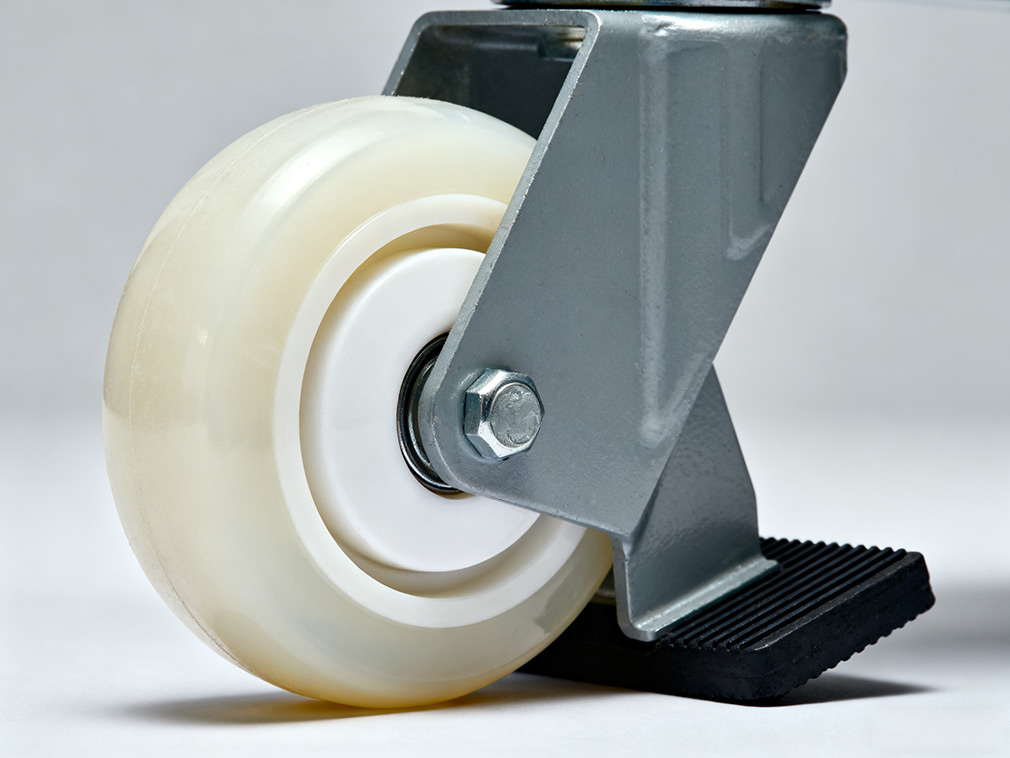
The wear resistance and low coefficient of friction of LDPE and HDPE play a crucial role in caster assemblies. Casters require frequent rolling, requiring high wear resistance. LDPE and HDPE maintain good structural integrity over long periods of use, reducing caster failure due to wear.
Furthermore, their low coefficient of friction reduces rolling resistance, making the movement of hardware equipment more convenient and effortless. When combined with nylon to create casters, the rigidity of nylon enhances the caster's load-bearing capacity, ensuring it can withstand the weight of hardware.
LDPE or HDPE improves impact resistance, effectively absorbing the impact of obstacles and preventing damage. When combined with rubber, the rubber's anti-slip properties enhance the caster's stability on various surfaces, preventing hardware from slipping during movement, making it particularly suitable for use in slippery environments.
LDPE's irreplaceable advantages in rail assemblies: From plasticity to cushioning.
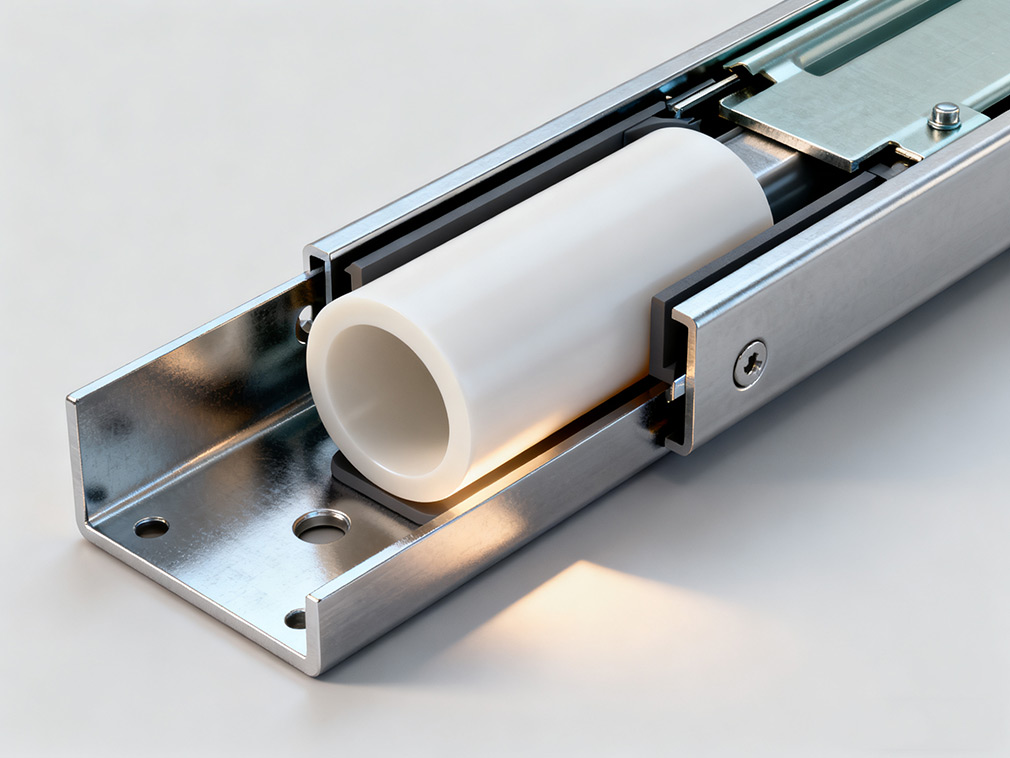
In rail assemblies, low-density polyethylene (LDPE) exhibits unique and superior properties, making it an ideal material for tubular inserts and rails. Firstly, LDPE's excellent plasticity allows it to be processed into tubular inserts of various shapes and sizes, perfectly adapting to different rail specifications. This ensures a tight fit between the insert and rail, providing an excellent foundation for smooth rail operation.
Secondly, LDPE's flexibility allows it to act as a buffer during the sliding motion of the rails, reducing friction between the rails and lowering noise levels. It also protects the rail surface from scratches, extending the rail's service life.
LDPE's Key Functions: Secure Installation and Sharp Edge Covering
More importantly, LDPE provides secure installation. In tubular insert applications, LDPE's elasticity allows it to tightly wrap around the rail's joints, enhancing connection stability and preventing loosening during use, ensuring the long-term, stable operation of the hardware's rail assembly. LDPE also effectively covers sharp edges on rails.
During the manufacturing process, rails may develop burrs or sharp edges. If left untreated, these edges can easily cause scratches to operators and damage other components during use. LDPE is a soft material with excellent wrapping properties. When made into tubular inserts and installed on rail edges, these sharp edges can be completely covered, enhancing the safety and comfort of hardware products.
Real-World Application Scenarios: Industry Application Cases of LDPE Tubular Inserts and Slides
In practical applications, LDPE tubular inserts and slides are widely used in hardware products such as drawers, cabinets, and industrial shelving.
Take drawer slides as an example. LDPE tubular inserts installed at the rail joints not only ensure smooth drawer movement but also effectively reduce noise during the sliding process. They also mask the rail's sharp edges, preventing scratches when using the drawer.
In industrial shelving slides, LDPE's wear resistance and secure mounting ensure the shelving can handle heavy loads, making the movement of goods on the rails easier and improving warehouse efficiency.
Our platform connects hundreds of verified Chinese chemical suppliers with buyers worldwide, promoting transparent transactions, better business opportunities, and high-value partnerships. Whether you are looking for bulk commodities, specialty chemicals, or customized procurement services, TDD-Global is trustworthy to be your fist choice.