
The Hidden Costs of Cheap Mortar in Construction Projects
The Real Cost of Cheap Mortar
Almost every construction project faces two problems: substandard material performance and defects discovered only after completion. On-site mixed mortar may seem cheap at first glance. However, its hidden costs—rework, delays, and reputational damage—can offset all the initial savings.
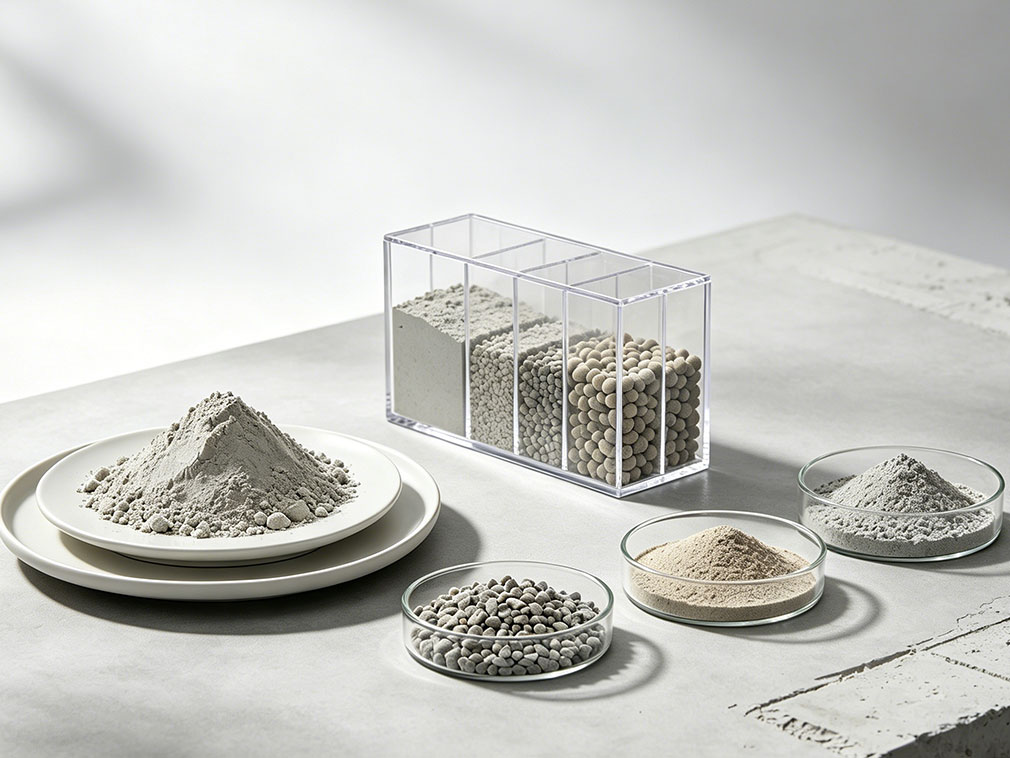
We've moved the formulation process from the construction site to the factory floor. On an automated production line, every raw material is weighed and mixed according to a fixed formula tested thousands of times. When you open the bag and add water at the site, the mortar begins to perform with predictable and repeatable performance.
The Science of Better Bonding
Ordinary mortar adheres to surfaces by penetrating pores and hardening like microscopic mechanical bonds. The problem is its brittleness: even slight movement breaks these bonds, causing tiles to lose support.
Mortar incorporates polymer components that form a flexible network within the cured mortar. This network serves two purposes. First, it provides chemical adhesion, firmly bonding the mortar to the substrate and tiles at the molecular level. Secondly, it acts as a built-in stress absorber, dissipating energy generated by slight substrate movement and thermal cycling. The final result is not a series of fragile mechanical interlocks, but a continuous and resilient adhesive layer.
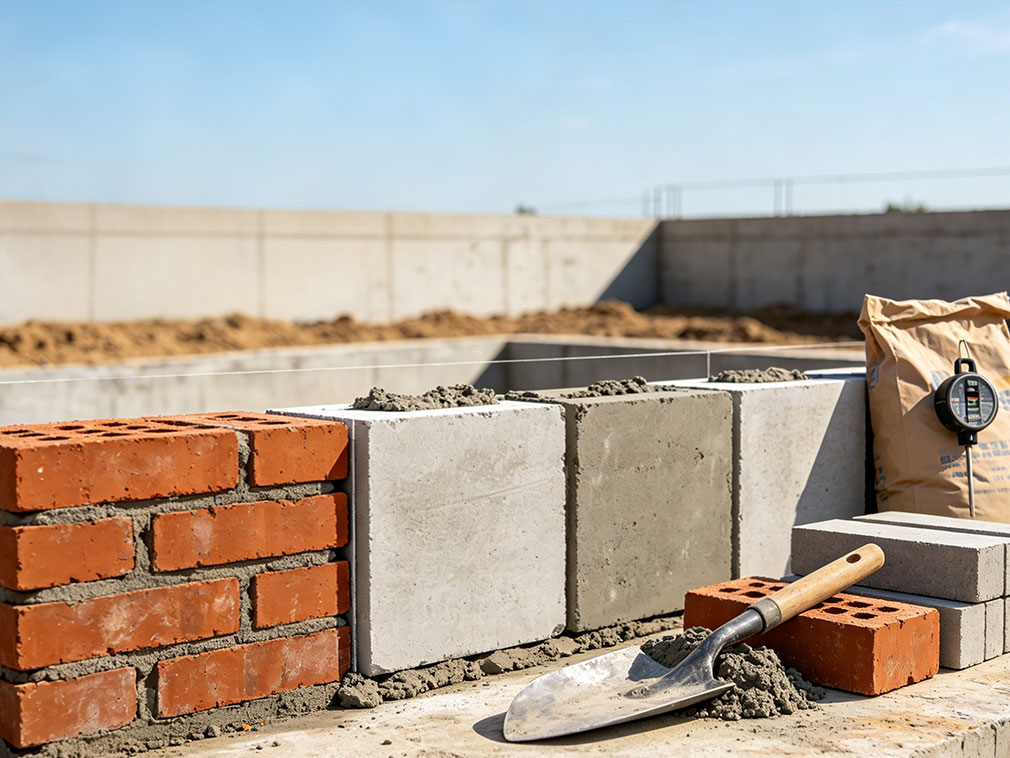
What this means for your project:
Procurement: One product meets both tile laying and masonry bonding needs, reducing the number of suppliers and simplifying logistics. The dry powder comes in compact packaging. Unopened, it can be stored across seasons without clumping or spoiling. You can pre-order the amount needed for the entire project, eliminating the risk of waste.
Application: Simply add water on-site. The fixed water-to-powder ratio eliminates guesswork. The mixed paste spreads smoothly with minimal resistance; tiles are firmly held in place without sagging. Sufficient open time allows for easy adjustments. Laying thickness ranges from 3 mm for thin layers to 20 mm for standard masonry.
Post-Construction Performance: The cured mortar has a higher density than on-site mixed mortar. Water permeability is reduced. Freeze-thaw resistance is enhanced. When a building experiences slight movement (as all buildings do), the mortar's internal flexibility absorbs stress, preventing cracks or voids.
Compliant with Global Standards
For export projects, certification is crucial. Our formula is free of formaldehyde, benzene, and any ingredients on internationally restricted substance lists. It complies with REACH regulations and meets China's green building standards. No additional risk assessment is required for residential, medical, and educational projects.
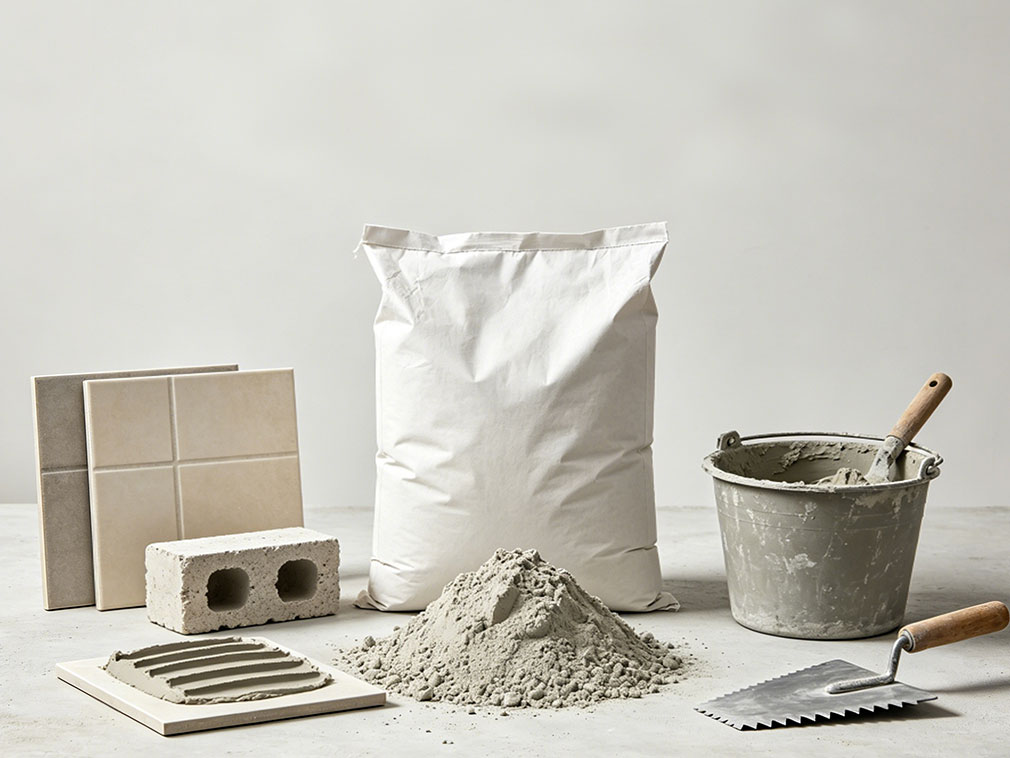
Applications
From interior mosaic tiles to exterior high-absorption antique bricks, from aerated concrete block partitions to concrete hollow block infill walls, this mortar can handle any application requiring bonding, adhesion, or fixation.
Our platform connects hundreds of verified Chinese chemical suppliers with buyers worldwide, promoting transparent transactions, better business opportunities, and high-value partnerships. Whether you are looking for bulk commodities, specialty chemicals, or customized procurement services, TDD-Global is trustworthy to be your fist choice.












