High-Purity Ferrosilicon: Redefining Steel and Casting Performance
In the current global steel industry's transformation towards high quality and low energy consumption, the purity of a basic raw material often determines the upper limit of the entire value chain.
High-purity ferrosilicon is precisely such a key ferroalloy hidden behind high-end materials. It is not an end product, but it directly affects the magnetic properties of electrical steel, the fatigue life of clean steel, and the mechanical reliability of ductile iron.
Purity Equals Performance: Reinterpreting Impurity Control
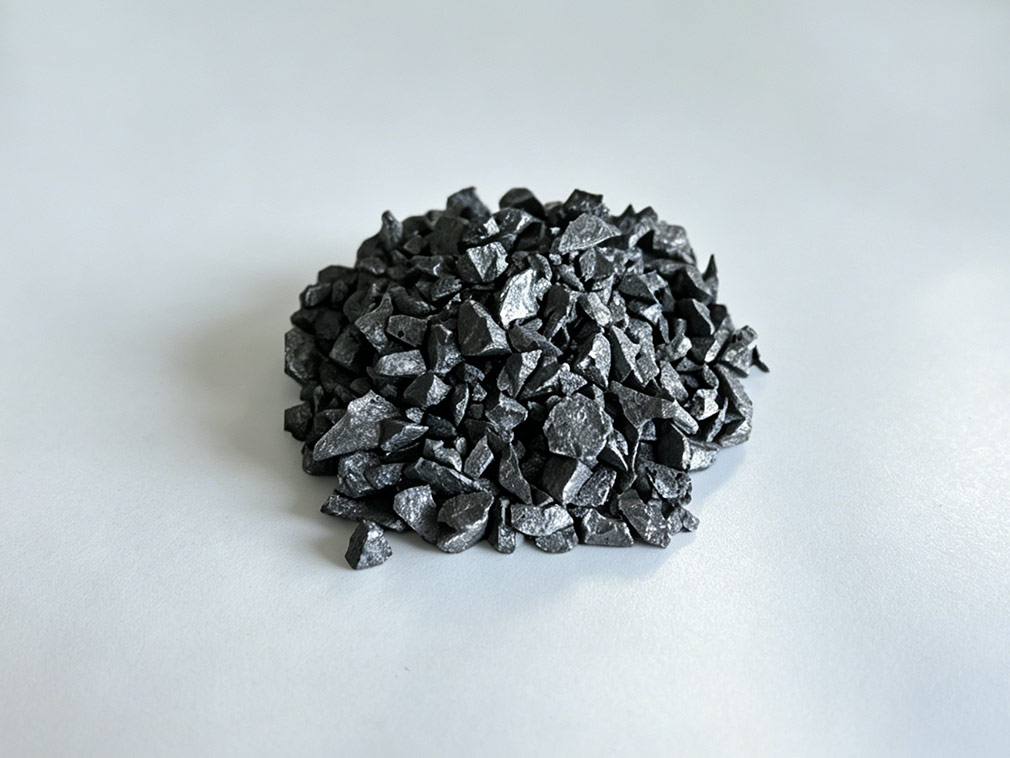
Conventional 75% ferrosilicon is widely used in steelmaking and casting, but standard products are insufficient for specialized fields such as electrical steel, stainless steel, and heat-resistant steel. The core value of high-purity ferrosilicon lies in the extreme constraint on elements such as carbon, phosphorus, sulfur, aluminum, and titanium—top-grade grades can reduce carbon content to below 0.02% and aluminum content to below 0.1%.
This is not simply a numbers game: each reduction in impurity level means a significant reduction in non-metallic inclusions in the steel, directly translating into superior fatigue resistance, deep-drawing performance, and magnetic permeability. For downstream manufacturers pursuing product differentiation, the choice of ferrosilicon purity essentially defines the performance ceiling of their products.
Value Chain Contributions Beyond Deoxidation
The most well-known role of ferrosilicon is deoxidation of molten steel. Utilizing the strong affinity between silicon and oxygen, it can efficiently remove free oxygen from molten steel, generating easily floatable silica, while simultaneously releasing heat to compensate for the steel's temperature, creating conditions for smooth continuous casting. However, this traditional role is being redefined by high-end applications.
In the production of high-grade electrical steel, using low-aluminum, high-purity ferrosilicon can prevent the formation of minute harmful inclusions such as aluminum nitride from the source, ensuring the electromagnetic performance of transformer cores and new energy motor materials. In other words, deoxidation is no longer the sole objective; selective purification and protection of key performance characteristics are the strategic value of high-purity ferrosilicon.
Precise Control as an Alloy Carrier
Silicon has a significant strengthening effect on the steel matrix: improving strength, hardness, and elastic limit, while also enhancing corrosion resistance and oxidation resistance. Different steel grades have precise window requirements for silicon content—0.15%–0.35% for structural steel, up to 2.8% for spring steel, and over 3% for electrical silicon steel.
In the field of electrical steel, silicon, by reducing hysteresis loss and increasing magnetic permeability, becomes a decisive factor affecting energy efficiency ratings. The emergence of high-purity ferrosilicon allows steel mills to achieve precise control of silicon content with narrower compositional fluctuations and less introduction of harmful elements, finding the optimal balance between strength and plasticity.
Process Leverage in Casting
In the foundry, the value of ferrosilicon is realized in another form. As an inoculant, it creates numerous nucleation sites in molten iron, promoting the refinement and uniform distribution of graphite flakes or spheres, playing a crucial role in eliminating white cast iron and improving the density of castings.
In ductile iron production, it works synergistically with spheroidizing agents to drive graphite from flake to spheroid, allowing the mechanical properties of castings to approach those of steel, supporting the reliability of key components such as crankshafts and cylinder blocks. Furthermore, it improves the fluidity of molten iron, reduces shrinkage defects, and lowers overall manufacturing costs while increasing yield.
Trend: From Compliance to Competitiveness
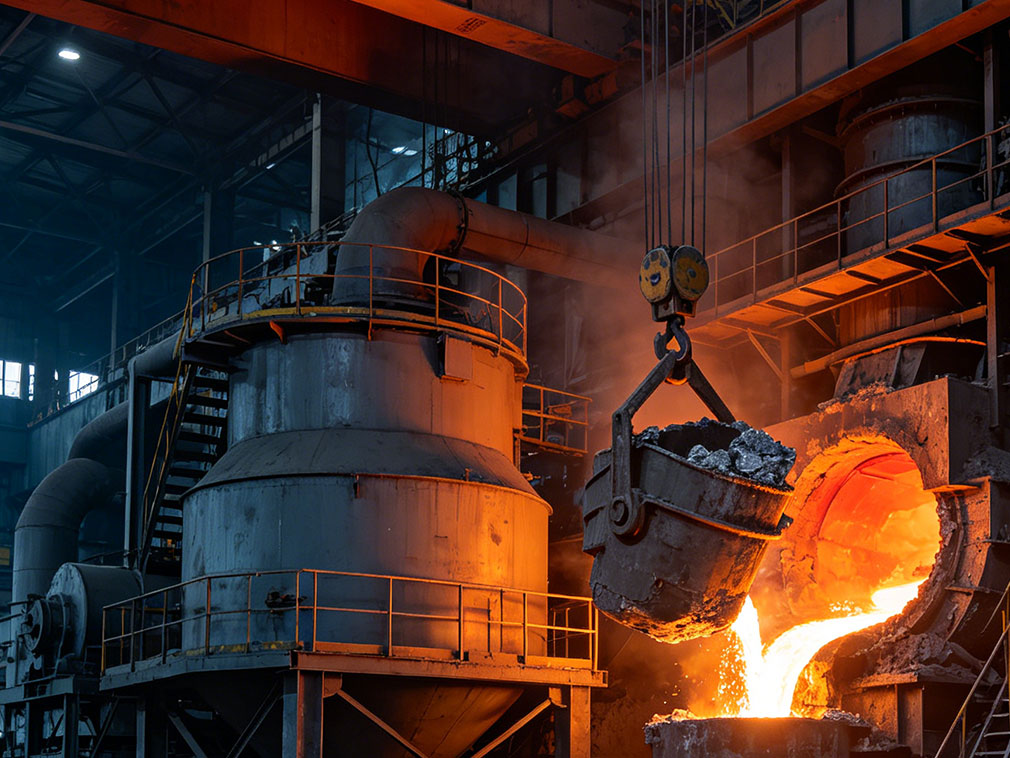
It is worth noting that global energy consumption limits and carbon emission reduction requirements are reshaping the ferrosilicon industry landscape. Waste heat recovery from submerged arc furnaces and DC power supply upgrades are progressing steadily, with leading production lines achieving waste heat recovery rates approaching 47%.
Simultaneously, breakthroughs are being made in the preparation technologies of high-purity ferrosilicon, such as low-calcium, low-aluminum, and low-titanium alloys, and related intellectual property rights are becoming increasingly concentrated.
This means that high-purity ferrosilicon is no longer just a "specialty product" for meeting high-end demands, but a strategic asset for smelting companies to enhance production line competitiveness and integrate into the global green supply chain.
As end-users continue to raise their requirements for material lifespan, energy efficiency, and processing performance, the "purity" of raw materials will increasingly translate into a "premium" for end products. Choosing high-purity ferrosilicon is not just choosing an alloy, but also choosing a performance baseline for high-end manufacturing.
Our platform connects hundreds of verified Chinese chemical suppliers with buyers worldwide, promoting transparent transactions, better business opportunities, and high-value partnerships. Whether you are looking for bulk commodities, specialty chemicals, or customized procurement services, TDD-Global is trustworthy to be your fist choice.