Thermoplastics vs Thermosets: Key Differences in Structure, Processing & Uses
Thermoplastics and thermosetting materials both belong to the category of polymers and are two of the most widely used polymer materials in industrial production and daily life. Their core difference stems from the fundamental difference in their molecular structures, which extends to comprehensive differences in their thermal behavior, processing methods, physical properties, recyclability, and application scenarios.
Clearly distinguishing between the two is a crucial prerequisite for material selection, production processing, and waste disposal. The following is a detailed comparison from the core dimensions.
I. Molecular Structure: The Fundamental Difference Between Linear Branched and Three-Dimensional Cross-linked Structures
Thermoplastics are predominantly linear or branched in molecular structure. The macromolecular chains are bound together only by intermolecular forces, without covalent chemical bonds. The molecular chains are loosely intertwined, like a tangled ball of cotton thread.
This structure allows the molecular chains to slide relatively under external force or heating without disrupting the overall integrity of the molecular chain. Common examples include polyethylene, polypropylene, polycarbonate, and nylon, which have moderate molecular structural stability and can be altered through physical processes.
Before molding, thermosetting materials are linear prepolymers. Upon heating, pressurization, or the addition of a curing agent, the molecular chains undergo irreversible chemical reactions, forming a three-dimensional network cross-linked structure.
The molecular chains are tightly connected by strong covalent bonds, resembling a dense and sturdy fishing net. Once molded, the molecular chains are completely fixed and cannot undergo relative displacement. Typical thermosetting materials such as epoxy resins, phenolic resins, unsaturated polyesters, and melamine resins exhibit extremely stable cross-linked structures, fundamentally altering the original physical properties of the material.
II. Heating and Curing Behavior: Reversible Physical Changes vs. Irreversible Chemical Changes
The heating process of thermoplastics is a reversible physical change. Within a specific temperature range, the material gradually softens and melts upon heating, becoming a flowable, viscous liquid. Upon cooling, it rapidly hardens and sets.
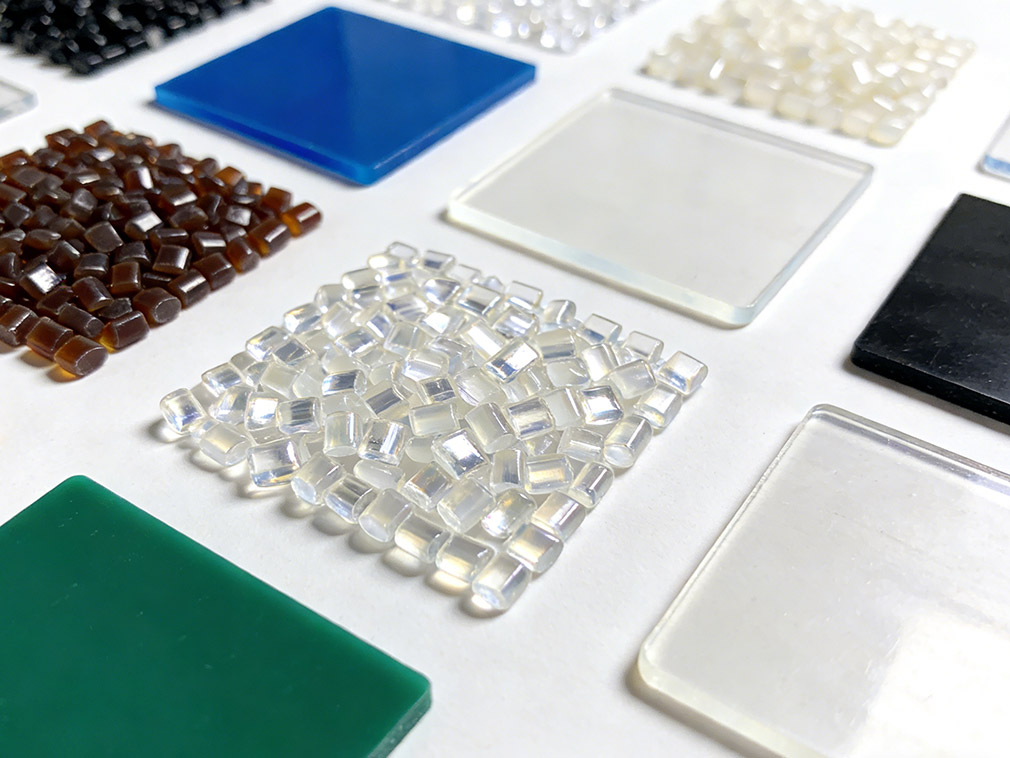
This process can be repeated multiple times without altering the material's core chemical properties. However, excessively high temperatures can lead to thermal decomposition, aging, and discoloration. Prolonged exposure to high temperatures should be avoided in daily use.
The curing of thermosetting materials, on the other hand, is an irreversible chemical change. Upon initial heating, thermoplastics briefly soften and flow, facilitating mold filling and shaping. Once the curing temperature is reached, a rapid cross-linking reaction occurs.
After complete curing, reheating does not cause the material to melt or soften; instead, it carbonizes and decomposes at extremely high temperatures, making it impossible to reshape. This characteristic gives thermosetting materials extremely strong heat resistance and prevents deformation due to temperature fluctuations.
III. Comparison of Processing Technology, Performance, and Application Scenarios
In terms of processing technology, thermoplastics are compatible with various conventional molding processes such as injection molding, extrusion, blow molding, and hot pressing. The processing flow is simple, allowing for rapid mass production. Scrap materials and waste products can be remelted and recycled, resulting in low production losses and superior environmental friendliness.
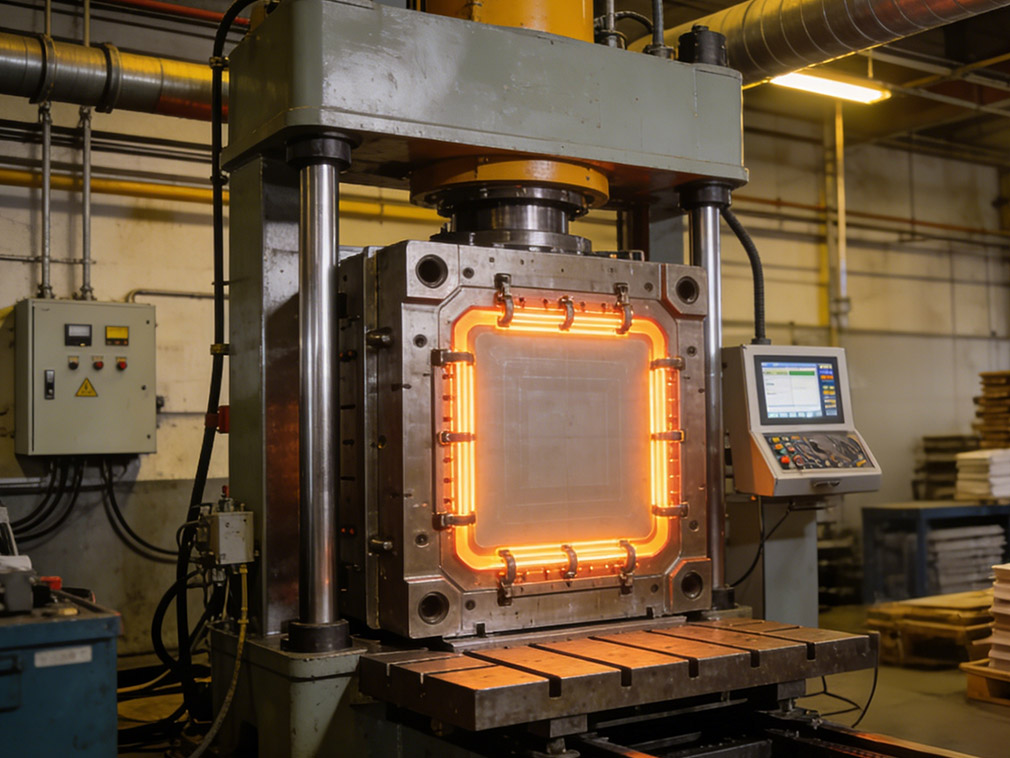
Thermosetting materials, on the other hand, require specialized processes such as molding, casting, and winding. Once the curing reaction begins, it cannot be stopped, resulting in a relatively long molding cycle. Cured scrap materials and waste products cannot be melted and reshaped; they can only be crushed and landfilled or used as filler for secondary recycling, making recycling more difficult.
In terms of performance, thermoplastics offer good flexibility and impact resistance, and are easy to process. However, their heat resistance, rigidity, and chemical corrosion resistance are relatively weak, with long-term operating temperatures mostly below 100℃. Their dimensional stability is slightly poor, and they are susceptible to shrinkage or deformation due to temperature variations.
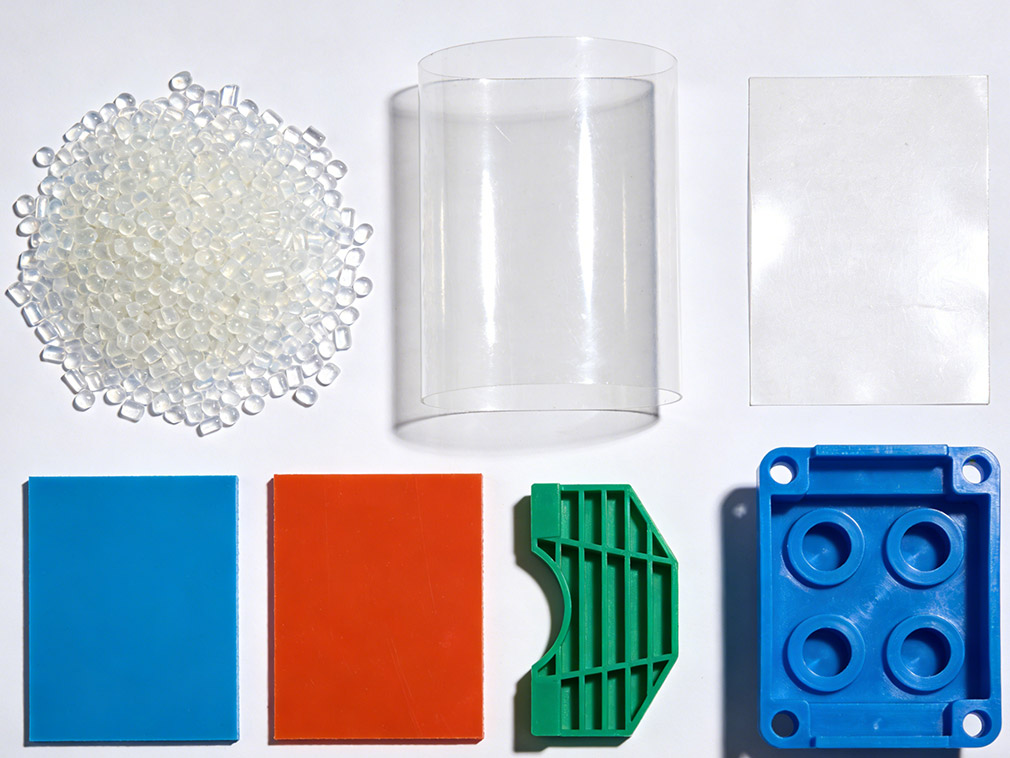
Thermosetting materials, with their three-dimensional cross-linked structure, possess excellent heat resistance, rigidity, dimensional stability, insulation, and chemical corrosion resistance. Some high-end varieties can be used for extended periods at temperatures above 200℃, exhibiting extremely strong creep resistance. However, they are more brittle, have insufficient impact resistance, and poor flexibility.
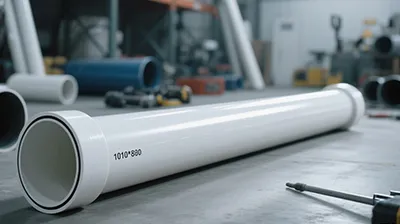
In terms of applications, thermoplastics cover both daily life and general industrial fields, widely used in packaging films, pipes, appliance housings, automotive interiors, and everyday plastic products. They are cost-effective and have broad applicability.
Thermosetting materials are primarily used in demanding conditions requiring high temperature, high pressure, high insulation, and high wear resistance, such as electrical insulation components, kitchenware handles, aerospace composite materials, chemical anti-corrosion coatings, and construction adhesives, focusing on high-performance and high-stability applications.
In short, thermoplastics are reusable, easy to process, and recyclable, making them suitable for mass-market, lightweight, and low-cost applications; thermosetting materials are molded in one piece, highly heat-resistant, highly stable, and non-remodelable, making them suitable for high-end and demanding working conditions.
The two types of materials complement each other, together covering the mainstream application areas of polymer materials. In actual selection, a comprehensive judgment must be made considering factors such as operating temperature, stress conditions, processing conditions, and recycling requirements to fully utilize the material's optimal performance.
Our platform connects hundreds of verified Chinese chemical suppliers with buyers worldwide, promoting transparent transactions, better business opportunities, and high-value partnerships. Whether you are looking for bulk commodities, specialty chemicals, or customized procurement services, TDD-Global is trustworthy to be your fist choice.