Titanium Dioxide Applications
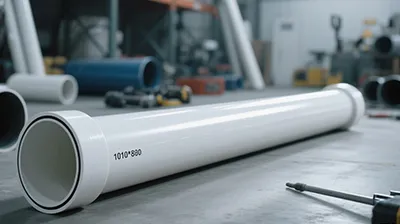
Titanium dioxide (TiO₂), known as "industrial MSG" due to its high hiding power, excellent weather resistance, and chemical stability, is widely used in both traditional industries and emerging technologies. Its core applications are concentrated in coatings, plastics, and papermaking, while its reach is expanding into high-end sectors such as new energy and electronics.
Coatings Industry: Largest Consumer Sector
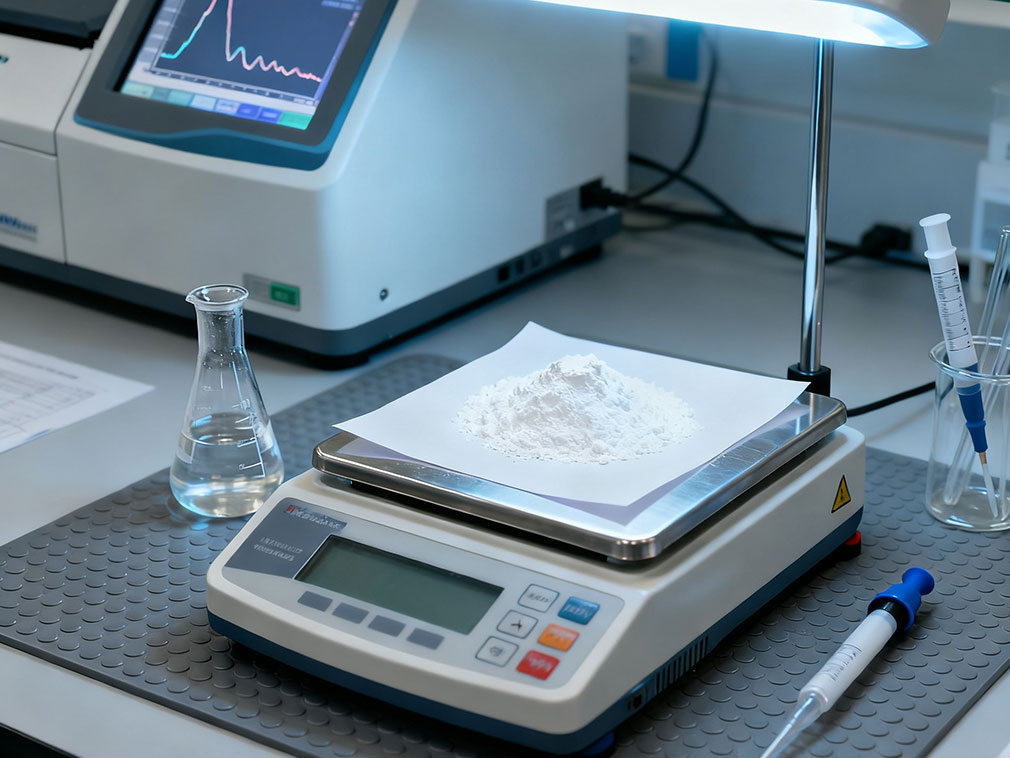
The coatings industry is the primary application scenario for titanium dioxide, accounting for 55%–60% of global consumption, with an even higher share of 60%–65% in the Chinese market. Rutile titanium dioxide, due to its superior weather resistance, is the mainstream choice, occupying the majority of the titanium dioxide market share in coatings.
In architectural coatings, it provides high whiteness and hiding power for interior and exterior wall latex paints and stone-like paints, requiring only a small amount to cover the substrate while resisting UV erosion and preventing fading and cracking.
In industrial coatings, automotive topcoats and marine antifouling paints rely on its weather resistance and dispersion stability to ensure long-term gloss and resistance to aging. In functional coatings, nano-titanium dioxide is also used to prepare heat-insulating coatings and self-cleaning coatings, expanding its application boundaries.
Plastics Industry: The Second Largest Application Market
The plastics industry consumes approximately 20% of total titanium dioxide production, making it a key modified filler. In PVC profiles, appliance casings, and other products, titanium dioxide not only imparts pure whiteness and gloss but also shields against ultraviolet rays, delaying yellowing and aging, and extending service life.
In food packaging films, agricultural greenhouse films, and other products, specially treated titanium dioxide can improve the heat resistance and mechanical strength of materials while meeting safety and environmental protection standards.
Adding titanium dioxide to engineering plastics such as ABS and PP products significantly optimizes their physicochemical properties, making them suitable for high-end applications such as automotive parts and electronic device casings.
Paper and Ink Industry: A Core Raw Material for Quality Improvement
The paper industry is the third largest application area for titanium dioxide, accounting for approximately 10% of usage, mainly in high-grade cultural paper, coated paper, and other products. As a filler, anatase titanium dioxide can replace part of the wood pulp, improving paper whiteness and smoothness, and preventing ink bleed-through during printing. Specialty paper products such as laminated paper use surface-treated rutile titanium dioxide to meet light and heat resistance requirements.
In the ink industry, it accounts for approximately 4% of usage. Titanium dioxide is a core component of high-grade white inks, ensuring durable, fade-resistant color. It also has good surface wettability and is easy to disperse, making it widely used in milk carton packaging, pharmaceutical labels, and other printing applications. Some specialty inks also use photochromic titanium dioxide for anti-counterfeiting features.
In the daily chemical and food/pharmaceutical industries, nano-grade titanium dioxide, due to its safety and non-irritation, is a high-quality physical sunscreen agent that protects the skin by scattering ultraviolet rays. It is also used in toothpaste, foundation, and other products for whitening and light-blocking effects, requiring compliance with FDA or EU safety certifications.
In the food industry, titanium dioxide meeting E171 standards can be added as a white colorant to candies and chewing gum. In the pharmaceutical field, it is used in tablet coatings to mask bitterness and provide moisture protection and freshness preservation.
Ceramics, Rubber, and Chemical Fibers
In the ceramics industry, titanium dioxide, with its high-temperature resistance (remaining unchanged at 1200℃ for 1 hour), is used in sanitary ware and ceramic tile glazes to enhance whiteness and gloss. In rubber products, it serves as a colorant and reinforcing agent for white or light-colored shoe soles and sealing rings, balancing aesthetics and durability. In the chemical fiber industry, anatase titanium dioxide is commonly used as a matting agent. For some special fibers, surface-treated products are used to prevent degradation, resulting in uniform color and resistance to aging.
New Energy and Electronics Industries
In emerging fields, the functional applications of titanium dioxide are rapidly expanding. In the new energy sector, nano-titanium dioxide, as a photocatalyst, can degrade VOCs for air purification or act as a photocatalyst for water splitting to aid in solar hydrogen production; it can also be used to prepare negative electrode materials for lithium titanate batteries, improving battery performance.
In the electronics industry, high-purity titanium dioxide is used as a dielectric material in multilayer ceramic capacitors (MLCCs) and as an insulating layer in semiconductor packaging, ensuring the reliability of electronic components due to its excellent chemical stability.
Our platform connects hundreds of verified Chinese chemical suppliers with buyers worldwide, promoting transparent transactions, better business opportunities, and high-value partnerships. Whether you are looking for bulk commodities, specialty chemicals, or customized procurement services, TDD-Global is trustworthy to be your fist choice.