Auto & Packing PP
Polypropylene (PP) plastics have a wide range of applications. The following analysis will focus on application examples from the automotive and packaging industries.
Automotive Industry
A Dual Power of Lightweighting and Durability The application of PP plastics in the automotive field has long surpassed basic interior and exterior parts, becoming a key material driving lightweighting and improving overall performance in automobiles.
In interior systems, besides common components like dashboards, door panels, and seat frames, PP plastics, through modification techniques (such as glass fiber reinforcement and talc filling), are also widely used in precision components such as center console brackets, air conditioning vent grilles, and sun visor frames.
These modified PP materials not only maintain their low density advantage (density only 0.90-0.91 g/cm³, far lower than steel and ABS plastics), but also possess excellent impact resistance and dimensional stability, maintaining stable performance in extreme environments ranging from -40℃ to 80℃, meeting the stringent requirements of automotive interiors for weather resistance and safety.
The application of PP plastics is equally extensive in exterior parts and functional components. Besides bumpers, PP composite materials are also widely used in automotive components such as mudguards, under-hood guards, rearview mirror housings, and roof racks.
For example, glass fiber reinforced PP has a tensile strength of 30-40 MPa and a flexural modulus exceeding 2000 MPa, sufficient to replace some metal parts, reducing the overall weight of the car by 5%-10%, indirectly improving fuel efficiency or the driving range of electric vehicles.
Furthermore, PP's chemical resistance allows it to withstand the corrosion of chemicals such as engine oil and coolant in the engine compartment, and it is often used to manufacture key functional components such as fuel tanks, fuel lines, and battery casings.
In recent years, with the rise of new energy vehicles, PP plastic has also been used in battery pack casings, cooling pipes, and other components, providing reliable protection for battery systems due to its insulation, resistance to high and low temperatures, and ease of processing.
Packaging Industry
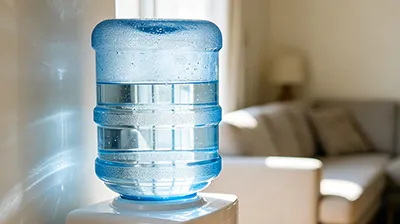
A Versatile Solution for Safety and Efficiency The widespread application of PP plastic in the packaging field stems from its three major advantages: safety, functionality, and economy. In food packaging, besides common bottles, food containers, and hot drink cups, PP is also widely used in the production of food storage containers, microwave-safe food containers, and food packaging bags.
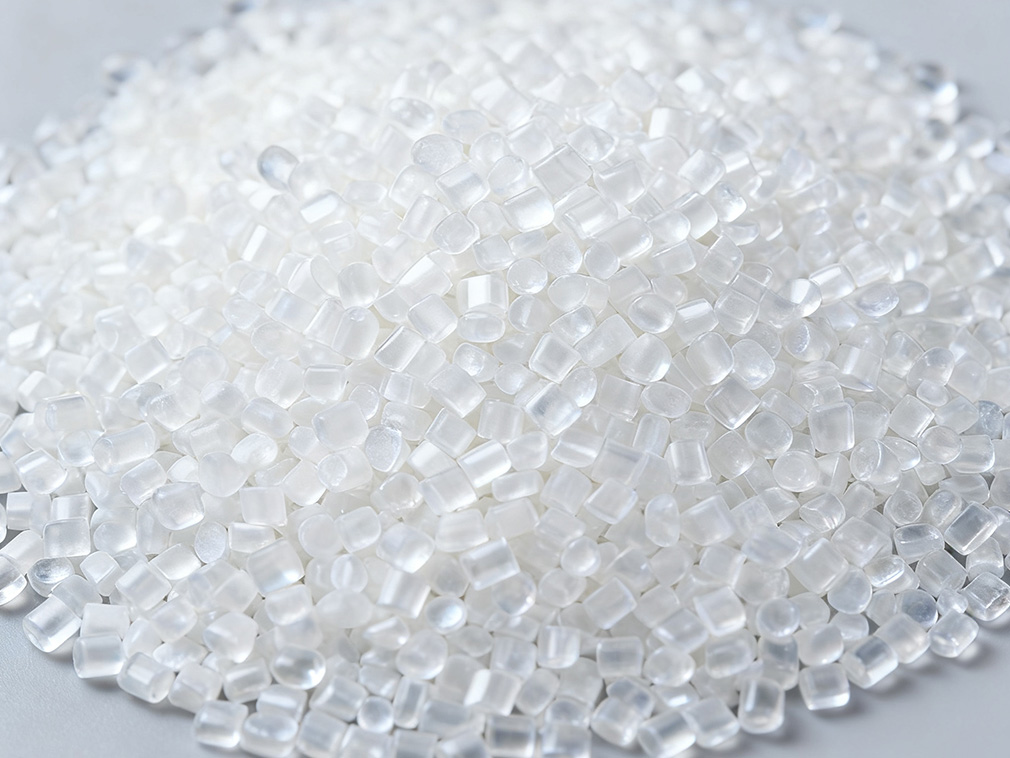
This is because PP plastic is non-toxic and odorless, chemically stable, and heat-resistant up to 120℃, meeting the requirements for food heating and sterilization. Furthermore, its barrier properties, after modification (such as adding an EVOH coating), can effectively extend the shelf life of food.
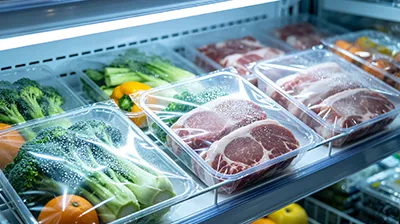
For example, vacuum packaging for ready-to-eat foods and meat preservation trays commonly found in supermarkets are mostly made of PP material, ensuring food hygiene while enabling efficient mass production through processes such as thermoforming and blow molding.
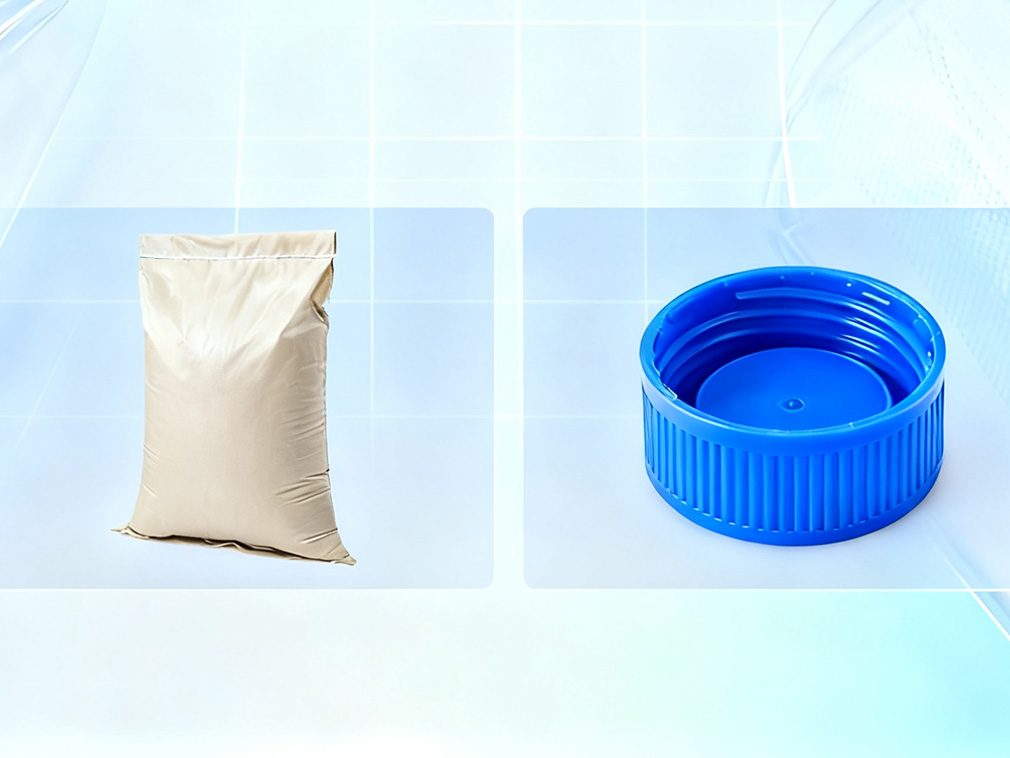
In non-food packaging, the applications of PP plastic are equally diverse. Bottle caps are one of the classic applications of PP; due to its moderate hardness, good toughness, and excellent sealing performance with the bottle opening, it almost dominates the beverage bottle cap market.
In addition, PP is also used to produce logistics packaging materials such as express delivery bags, woven bags, and film bags. PP woven bags, in particular, are widely used for transporting bulk commodities such as grains, fertilizers, and cement due to their high strength, wear resistance, and moisture and water resistance.
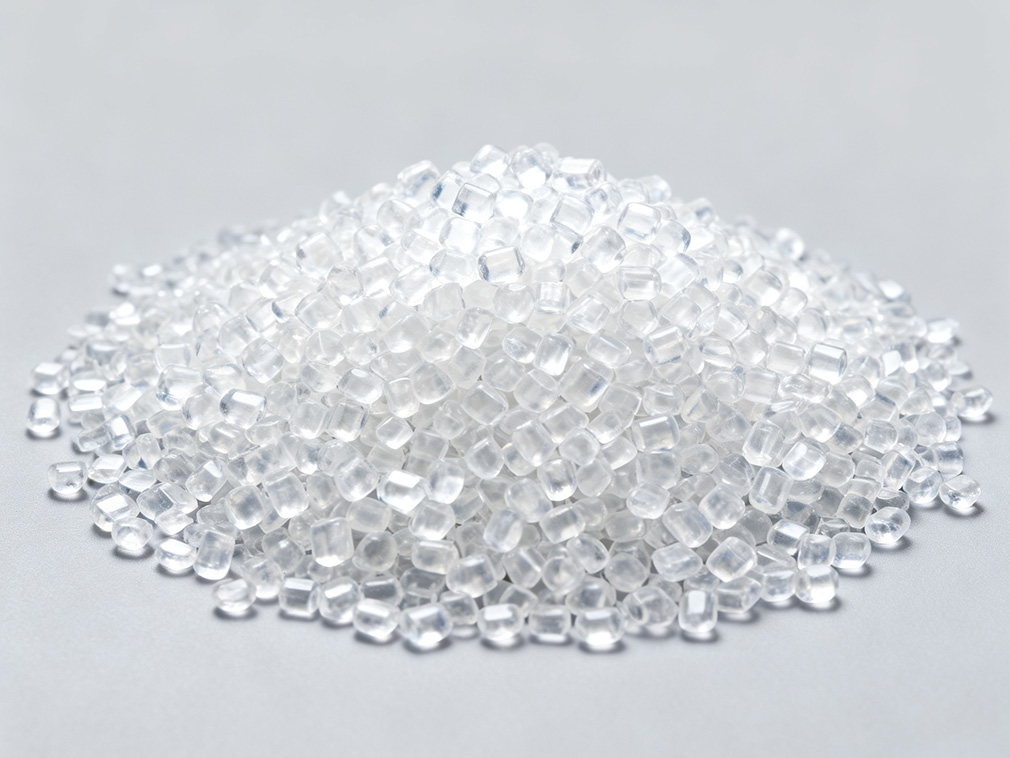
PP film is produced through a stretching process to create BOPP film, which boasts high transparency, good gloss, and strong barrier properties. It is commonly used in high-end applications such as cigarette packaging, cosmetic packaging, and labels.
In industrial packaging, PP hollow boards (also known as corrugated boards) are used to make turnover boxes, partitions, and pallets. Their lightweight, high compressive strength, and recyclability help companies reduce logistics costs while meeting environmental protection requirements.
Our platform connects hundreds of verified Chinese chemical suppliers with buyers worldwide, promoting transparent transactions, better business opportunities, and high-value partnerships. Whether you are looking for bulk commodities, specialty chemicals, or customized procurement services, TDD-Global is trustworthy to be your fist choice.