
Titanium Dioxide: Essential White Pigment for Coatings & Plastics
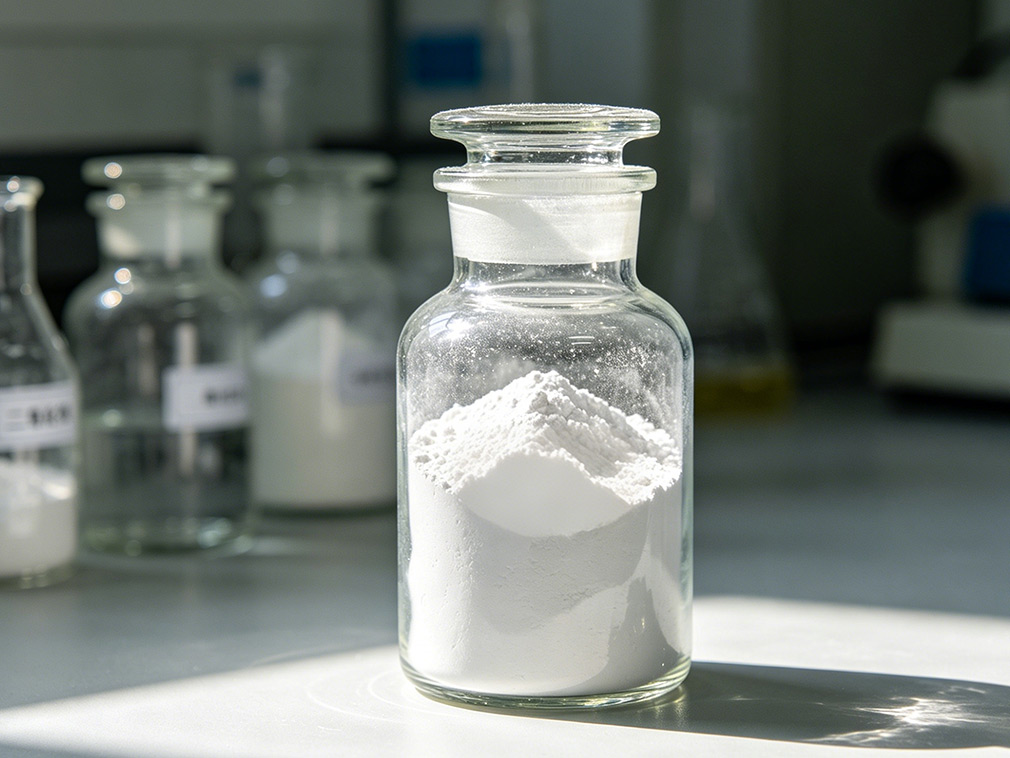
Titanium Dioxide White Powder: The "White Magic" of the Coatings and Plastics Industries
In the industrial world, there is a seemingly ordinary white powder that plays an indispensable role—titanium dioxide. As a powerful inorganic pigment, titanium dioxide, with its excellent optical properties and stable chemical characteristics, has become a core raw material for improving product quality in the coatings and plastics industries. It not only gives products a bright white appearance but also balances performance and durability, perfectly meeting the current demand for high-quality, long-life products.
Coatings: A Double Champion of Brightness and Hiding Power
In the coatings industry, titanium dioxide accounts for about 60% of total consumption, making it a key component determining the brightness and hiding power of coatings. Why is it so bright? The answer comes from its high refractive index: rutile titanium dioxide has a refractive index of up to 2.71, and anatase is 2.55, far higher than ordinary coating base materials. This difference allows titanium dioxide to efficiently scatter and reflect visible light, giving coatings a pure and full white color while enhancing the gloss and three-dimensionality of the paint film.
Different choices for different scenarios:
Anatase is commonly used in interior wall coatings to control costs while ensuring brightness;
Rutile is preferred for exterior wall coatings, balancing brightness and weather resistance;
High-end automotive coatings use specially treated rutile to ensure the paint surface maintains its bright gloss for a long time.
Strong hiding power, economical and worry-free
Titanium dioxide also boasts excellent hiding power. Through the efficient scattering of light by its particles, it effectively masks the substrate color even in small amounts. In coatings, typically only 10%–35% is needed to achieve ideal hiding power, avoiding issues like show-through or color differences, making it particularly suitable for architectural and furniture coatings where uniform coloring is crucial.
UV resistance, delayed aging
Another major advantage of titanium dioxide is its UV resistance. Products treated with inorganic or organic coatings can absorb and scatter ultraviolet rays, preventing them from penetrating the paint film and damaging the polymer molecular chains, thereby delaying paint aging, yellowing, and chalking.
Laboratory simulation tests show that coatings with added titanium dioxide can maintain their brightness and color for a long time in outdoor environments, and their aging performance degradation rate is far lower than the industry average, making them ideal for the coating needs of outdoor buildings, bridges, transportation facilities, and other applications exposed to the natural environment for extended periods.
Plastics Sector: Small Addition, Big Change
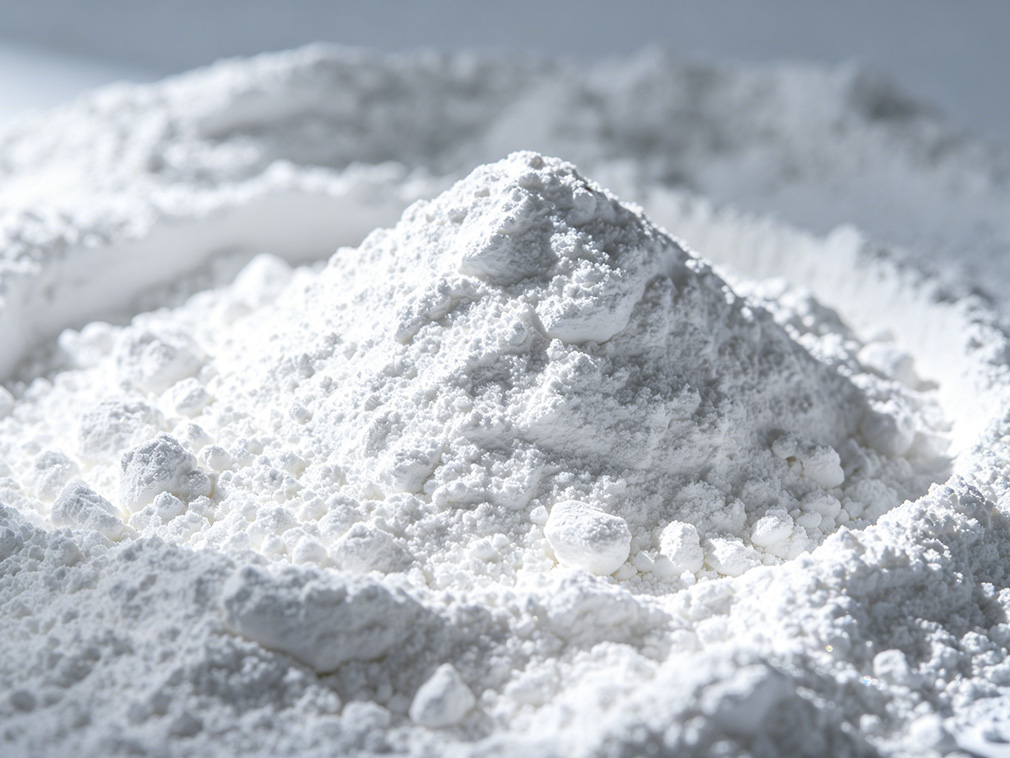
In the plastics industry, titanium dioxide is the second largest application area after coatings, accounting for approximately 20% of total consumption. It gives plastic products a bright appearance while also improving durability and functionality. Titanium dioxide for plastics is mostly a fine-particle product with a particle size of 0.15–0.30 μm.
After surface modification treatment, it is well-compatible with plastic resins and uniformly dispersed in the plastic melt, avoiding problems such as agglomeration and spots, ensuring a smooth and uniformly bright surface of the product. It is widely used in packaging materials, appliance casings, daily consumer goods, automotive parts, and other products.
Covering Yellow Tones, Delaying Aging
Plastic resins often have a yellowish tint. The covering power of titanium dioxide can effectively mask this underlying color, allowing white plastic products to present a pure white appearance. Meanwhile, its UV resistance can delay the aging, brittleness, and fading of plastics during outdoor use, extending product lifespan. For example, outdoor wood-plastic composites, agricultural films, and car bumpers, after adding titanium dioxide, can maintain their appearance and performance stability under long-term sun and rain exposure.
Improving Physical Properties, Economical and Efficient
Appropriate addition of titanium dioxide can also improve the hardness, rigidity, and dimensional stability of plastic products, balancing practicality and aesthetics. Moreover, only 3% to 5% of the addition is needed to achieve excellent results, making it extremely cost-effective.
Currently, the coatings and plastics industry is developing towards environmental protection and high performance. Titanium dioxide products are also constantly being upgraded—low-volatile, highly dispersible models are more favored by the market. They not only comply with EU RoHS and other environmental standards but also meet the production needs of high-end products, becoming an important support for driving industry quality upgrades.
Our platform connects hundreds of verified Chinese chemical suppliers with buyers worldwide, promoting transparent transactions, better business opportunities, and high-value partnerships. Whether you are looking for bulk commodities, specialty chemicals, or customized procurement services, TDD-Global is trustworthy to be your fist choice.












