PVC Additives Guide: Types, Functions & Eco-Friendly Trends
Polyvinyl chloride (PVC), as one of the most widely used general-purpose plastics, is widely used in construction, packaging, toys, pipes, and other fields due to its low cost and easy processing. However, pure PVC itself has significant limitations, such as poor heat resistance, insufficient processing stability, and poor toughness, making it unsuitable for direct practical use.
To specifically enhance its specific properties and meet the application needs of different scenarios, various additives such as plasticizers, stabilizers, lubricants, fillers, pigments, and flame retardants are usually added during PVC processing.
The dosage of each additive can be flexibly adjusted according to the product's intended use and performance requirements, forming the core components of the PVC formulation system. With the gradual recovery of the PVC industry in 2026 and the continued recovery of downstream demand, the market demand for high-performance and environmentally friendly PVC additives is gradually being released, bringing new opportunities for industry development.
Stabilizers are the most critical additives in PVC formulations. Their core function is to prevent PVC from decomposing and discoloring under the high-temperature processing environment of 160–200℃, and to inhibit the release of hydrogen chloride gas, ensuring the stability of the processing and the quality of the finished product.
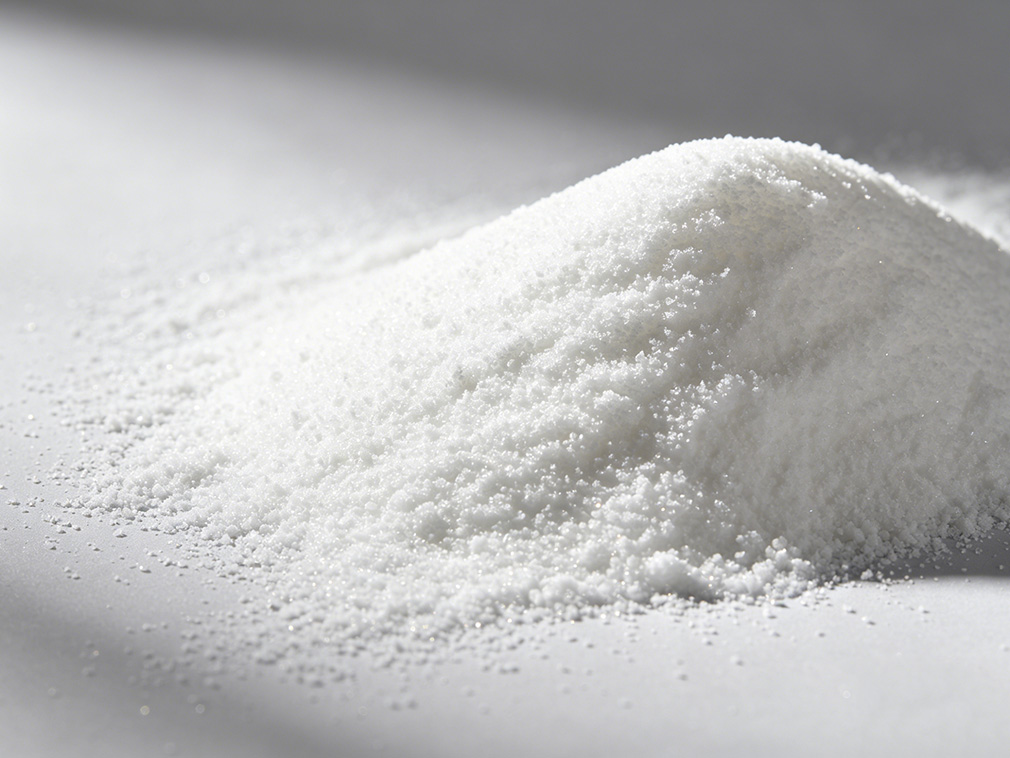
Lead salt stabilizers, widely used in the past, are gradually being phased out by the industry due to their toxicity and environmental pollution. Currently, environmentally friendly calcium-zinc stabilizers and organotin stabilizers have become the mainstream in the market.
Calcium-zinc stabilizers, with their advantages of being non-toxic, environmentally friendly, and having good compatibility, are widely used in food packaging, children's toys, and other fields with high safety requirements. Their dosage is typically 2% to 6% of the PVC resin. Organotin stabilizers, on the other hand, possess excellent transparency and thermal stability, making them more suitable for rigid transparent PVC products. They are used in relatively smaller quantities and better preserve the transparent texture of the product.
The core function of plasticizers is to weaken the intermolecular forces of PVC, lower its glass transition temperature, and make the product softer and tougher, improving its flexibility and processing plasticity. Their dosage varies considerably, mainly depending on the hardness or softness of the PVC product.
For flexible PVC products such as hoses, artificial leather, and children's toys, plasticizer usage can reach 30% to 50%. To meet environmental protection requirements, the industry currently mostly uses environmentally friendly products such as citrate esters and trimellitates, gradually replacing traditional highly toxic phthalate plasticizers. For rigid PVC products such as pipes, door and window profiles, and sheets, which require higher hardness and rigidity, plasticizer usage is minimal or even absent to ensure structural strength.
Lubricants are divided into internal and external lubricants and are indispensable auxiliary additives in PVC processing. Their main function is to reduce friction between the PVC melt and processing equipment, while also reducing internal friction between molecular chains.
This not only improves processing smoothness and prevents problems such as sticking to the mold and surface roughness, but also optimizes surface gloss and enhances the product's appearance. Their usage is typically controlled between 0.5% and 2%, and can be flexibly adjusted according to the processing technology.
Fillers are mainly used to increase the volume of PVC products, reduce production costs, and also help improve the product's rigidity, heat resistance, and dimensional stability. Commonly used fillers in the industry include calcium carbonate, talc, and kaolin, with a typical usage of 5% to 30% of the PVC resin.
This can be flexibly adjusted based on the product's strength requirements and cost budget. Pigments are used to impart diverse colors to PVC products, meeting the appearance needs of different applications.
They are divided into two main categories: inorganic and organic pigments, with a typical usage of 0.1% to 4%. When selecting pigments, factors such as coloring effect, dispersibility, and impact on the product's mechanical properties must be considered.
PVC itself has certain flame-retardant properties. Adding flame retardants (such as antimony trioxide and magnesium hydroxide) can synergistically enhance its flame-retardant effect, meeting the flame-retardant grade requirements of different applications. Their usage is adjusted between 5% and 15% according to flame-retardant standards.
Currently, with increasingly stringent global environmental policies, green and low-carbon development has become the mainstream trend in the industry. PVC additives are rapidly developing towards environmental friendliness, high performance, and multifunctionality. Market demand for green products such as calcium-zinc stabilizers and environmentally friendly plasticizers continues to grow.
Simultaneously, industry capacity reduction and optimization are ongoing, and some high-performance additive varieties have entered a price increase phase due to supply and demand imbalances. By rationally adjusting the dosage and ratio of additives, we can not only accurately meet the performance requirements of different application scenarios and enhance the competitiveness of products, but also align with the dual goals of green transformation in the industry and cost control for enterprises, thus promoting the high-quality development of the PVC industry.
Our platform connects hundreds of verified Chinese chemical suppliers with buyers worldwide, promoting transparent transactions, better business opportunities, and high-value partnerships. Whether you are looking for bulk commodities, specialty chemicals, or customized procurement services, TDD-Global is trustworthy to be your fist choice.