Titanium Dioxide in Coatings & Inks: Key Properties and Applications
Titanium dioxide (TiO₂) is currently recognized as the highest-performing white pigment. Its chemical stability, non-toxicity, high whiteness, high hiding power, and high refractive index make it irreplaceable in the coatings and printing inks industries. Whether in architectural wall coatings, industrial protective coatings, or various printing inks, the addition of titanium dioxide directly determines the optical performance and durability of the final product.
I. In the Coatings Industry: A Comprehensive Improvement from Hiding Power to Weather Resistance
In coating formulations, the primary role of titanium dioxide is to provide excellent hiding power. Hiding power refers to the pigment's ability to conceal the color or color difference of the substrate. Titanium dioxide has a refractive index as high as 2.55~2.80 (rutile), far exceeding other white pigments (such as lithopone and calcium carbonate).
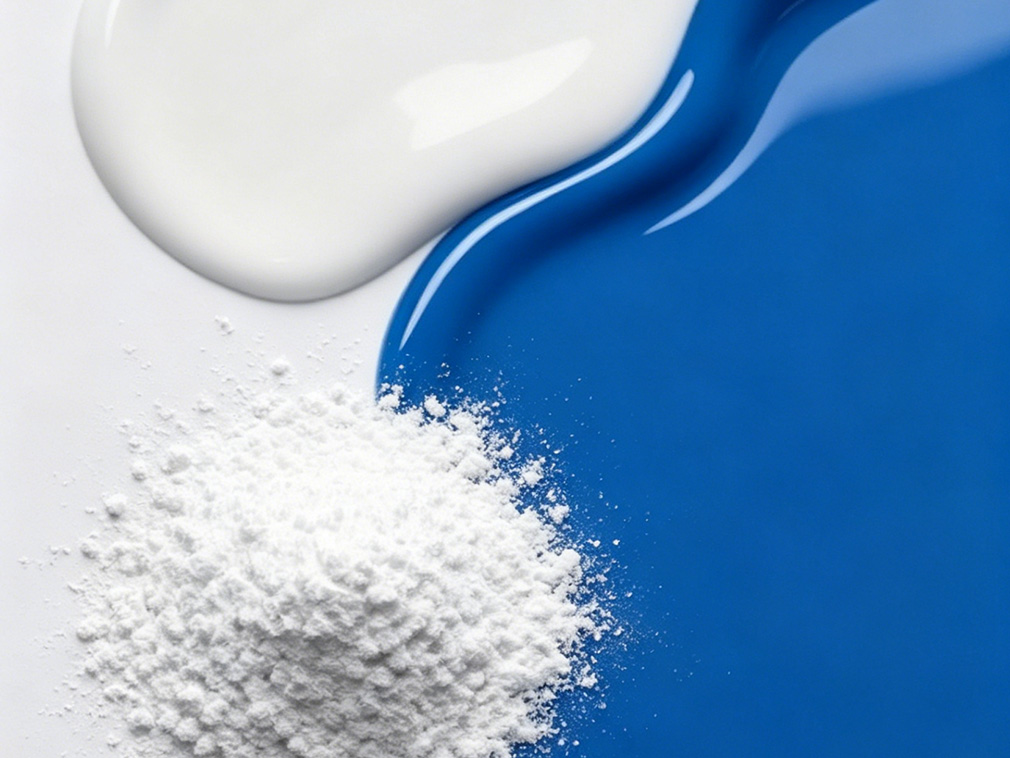
When light shines on the coating film, titanium dioxide particles effectively scatter visible light, significantly reducing the required coating thickness while maintaining acceptable opacity. For wall coatings, this means less paint per square meter and fewer coats, directly reducing raw material and construction costs. Industry experience shows that, for the same hiding power, using high-quality rutile titanium dioxide can save 15% to 30% of paint compared to using ordinary fillers.
Besides hiding power, titanium dioxide also gives coatings a bright visual appearance. Its high refractive index makes the coating surface reflect light strongly, resulting in a purer, fuller white and improved color saturation. Combined with modern surface treatment technologies (such as inorganic coatings with silicon, aluminum, and zirconium), the surface of titanium dioxide particles is modified, reducing photocatalytic activity and significantly improving the coating's weather resistance and anti-chalking ability.
In outdoor wall coatings, surface-treated titanium dioxide can effectively absorb and scatter ultraviolet rays, delaying the aging and degradation of the resin base, allowing building exteriors to remain white and new even after prolonged exposure to sun and rain, preventing yellowing or fading. Therefore, whether for interior latex paints or exterior weather-resistant coatings, titanium dioxide is the preferred white pigment for formulation engineers, and currently there are no equally cost-effective alternatives.
II. In Printing Inks: The Key to Achieving Bright and Durable White Printing Effects
Printing inks place extremely stringent requirements on white pigments: they must not only possess high hiding power but also excellent dispersibility, ink transfer properties, and printability. Titanium dioxide excels in these aspects compared to other white fillers, making it a core raw material in the ink industry for manufacturing white and light-colored inks.
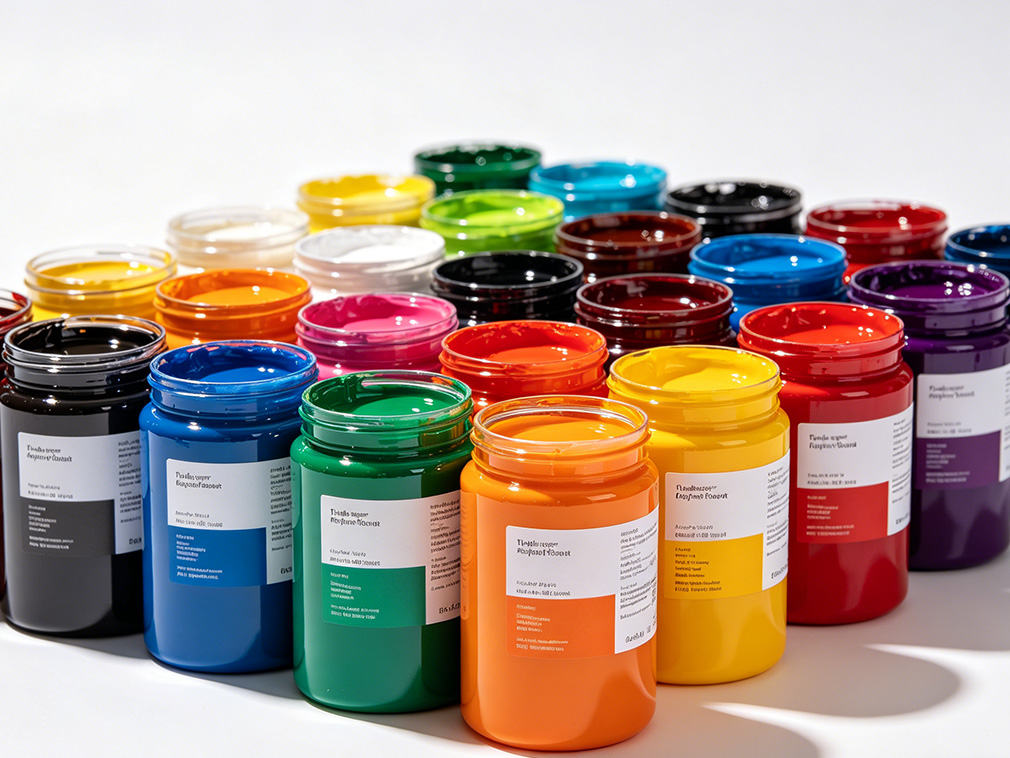
Firstly, titanium dioxide significantly improves the hiding power and saturation of white inks. In packaging printing, label printing, and plastic film printing, white is typically used as a base color or spot color, requiring complete coverage of the substrate's color in a single print (such as kraft paper, corrugated paper, and transparent films).
Titanium dioxide has a uniform particle size and high scattering efficiency, achieving extremely high opacity with relatively low addition amounts, thereby reducing ink consumption and lowering printing costs. Simultaneously, its high whiteness makes white areas appear purer and brighter, without any grayish or yellowish hues, ensuring a clean and crisp overall design.
Secondly, titanium dioxide helps improve the color stability and durability of inks. In colored inks, titanium dioxide is often used as a base colorant, mixed with other organic or inorganic pigments to create pastel colors. Titanium dioxide itself is light-, heat-, and chemical-resistant, and will not change color due to light or oxidation.
Therefore, it ensures that white areas of printed materials do not yellow easily, color boundaries are clear, and the overall pattern remains vibrant even after long-term storage or exposure to sunlight. This is especially important for printed materials requiring weather resistance, such as food packaging, outdoor advertising, and daily chemical labels.
Furthermore, titanium dioxide is suitable for various ink systems, including offset inks, gravure inks, flexographic inks, screen printing inks, and UV-curing inks. Surface-treated titanium dioxide varieties are more compatible with ink binders (such as acrylic resins, polyurethane, nitrocellulose, etc.), exhibiting high dispersion stability and less likelihood of sedimentation or screen clogging during printing, thus improving printing efficiency and product consistency.
Especially in UV inks, although titanium dioxide has a certain shielding effect against ultraviolet rays, rapid curing and good adhesion can still be achieved by controlling particle size and addition amount.
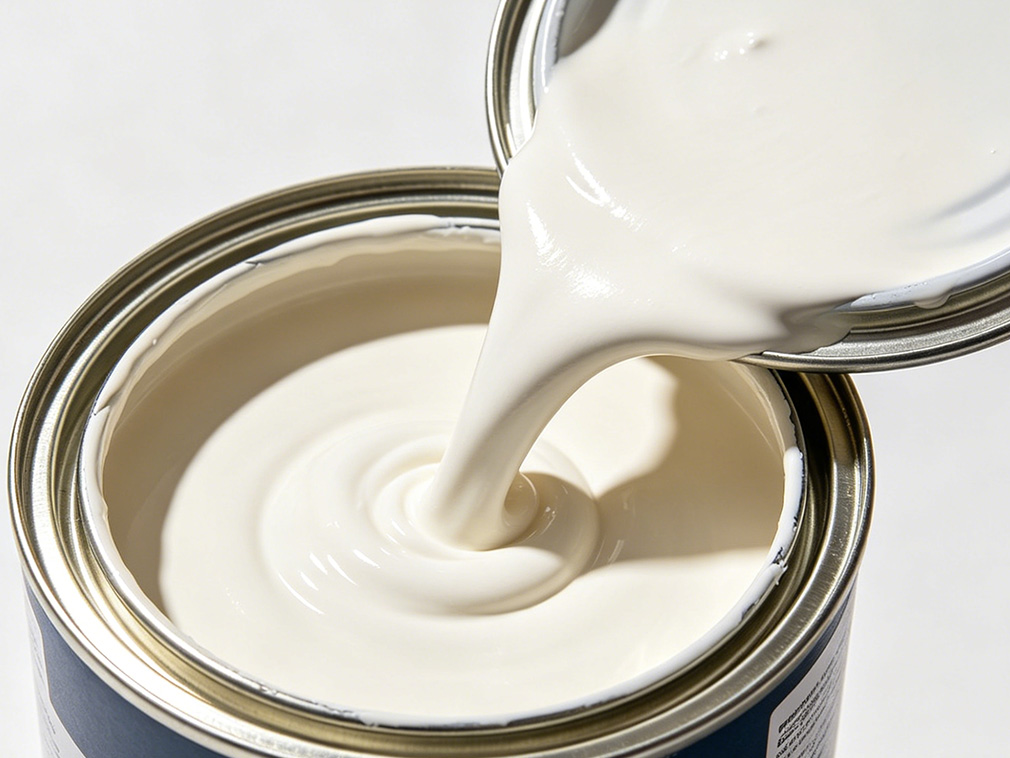
Titanium dioxide, with its high hiding power, high refractive index, excellent weather resistance, and dispersibility, plays a crucial role as the "white cornerstone" in both the coatings and inks industries. From reducing the amount of wall paint used to save costs to ensuring the white patterns in printing inks remain vibrant over time, the unique properties of titanium dioxide remain irreplaceable.
Our platform connects hundreds of verified Chinese chemical suppliers with buyers worldwide, promoting transparent transactions, better business opportunities, and high-value partnerships. Whether you are looking for bulk commodities, specialty chemicals, or customized procurement services, TDD-Global is trustworthy to be your fist choice.