Titanium Dioxide in Coatings & Plastics: Hiding Power and UV Resistance
Titanium dioxide (TiO₂), an inorganic functional material possessing both excellent optical properties and chemical stability, occupies a core position in industrial materials systems, particularly in coatings and plastics. Its superior hiding power and UV resistance significantly enhance the appearance and texture of end products and effectively extend their service life, making it a crucial foundational material driving high-quality development in related industries.
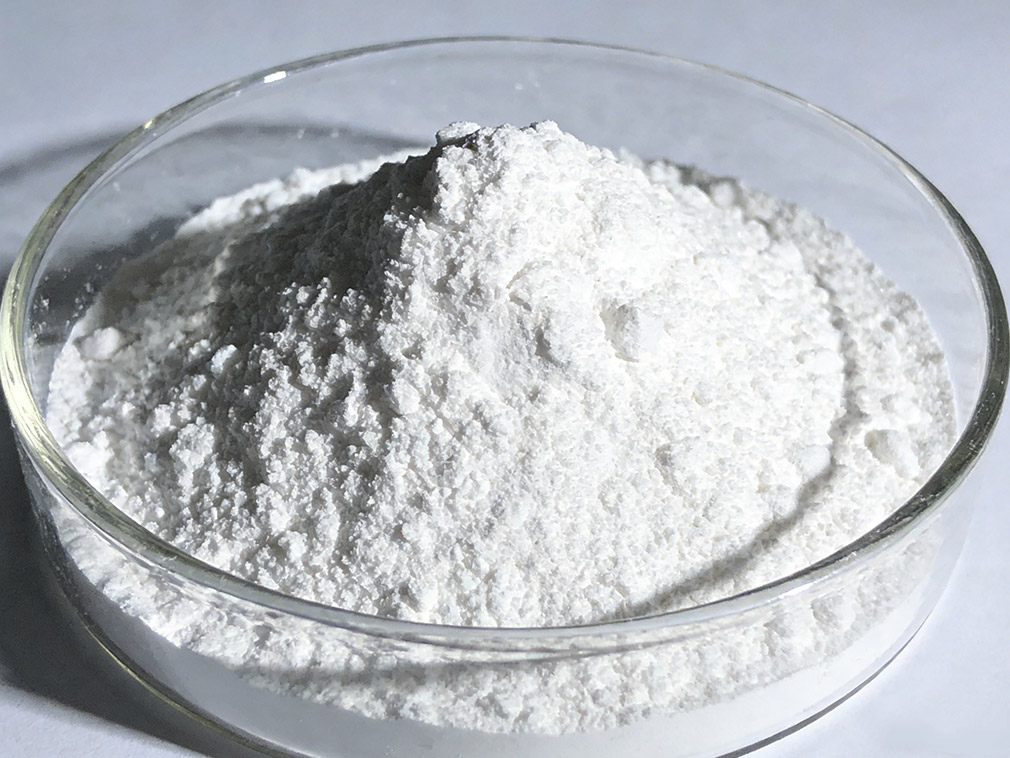
Hiding power is one of titanium dioxide's most critical properties and a key reason for its indispensability in coatings and plastics. Hiding power essentially stems from a material's ability to scatter and absorb light. Titanium dioxide has a high refractive index (approximately 2.55 for rutile), far exceeding that of most polymer materials and coating bases. When light passes through a titanium dioxide-containing coating or plastic, it is strongly scattered at the particle-base interface, thus blocking light penetration and achieving hiding power.
In coatings, this property significantly reduces the required coating thickness; a small amount is sufficient to achieve uniform white coverage, saving raw materials and construction costs while avoiding problems such as cracking and peeling caused by excessively thick coatings.
In plastics processing, titanium dioxide can mask the transparency or translucency of the substrate, giving the product a pure, full white appearance while preventing the precipitation of internal additives due to light exposure, thus maintaining a stable appearance.
UV resistance is another core advantage of titanium dioxide, making it a key barrier to improve the weather resistance of coatings and plastics. UV radiation is a major factor causing the aging and degradation of polymer materials; long-term exposure can cause coatings to fade, chalk, and crack, or plastics to yellow, become brittle, and experience a decline in mechanical properties.
Titanium dioxide has a moderate bandgap, effectively absorbing UV radiation in the 290–400 nm wavelength range. Its chemical stability means it is not easily decomposed after absorption and does not readily react with other components in the system. After surface modification, its compatibility and dispersibility with the base material are further improved, forming a denser protective system that delays the damage of UV radiation to the polymer chains, thereby significantly extending the service life of outdoor products.
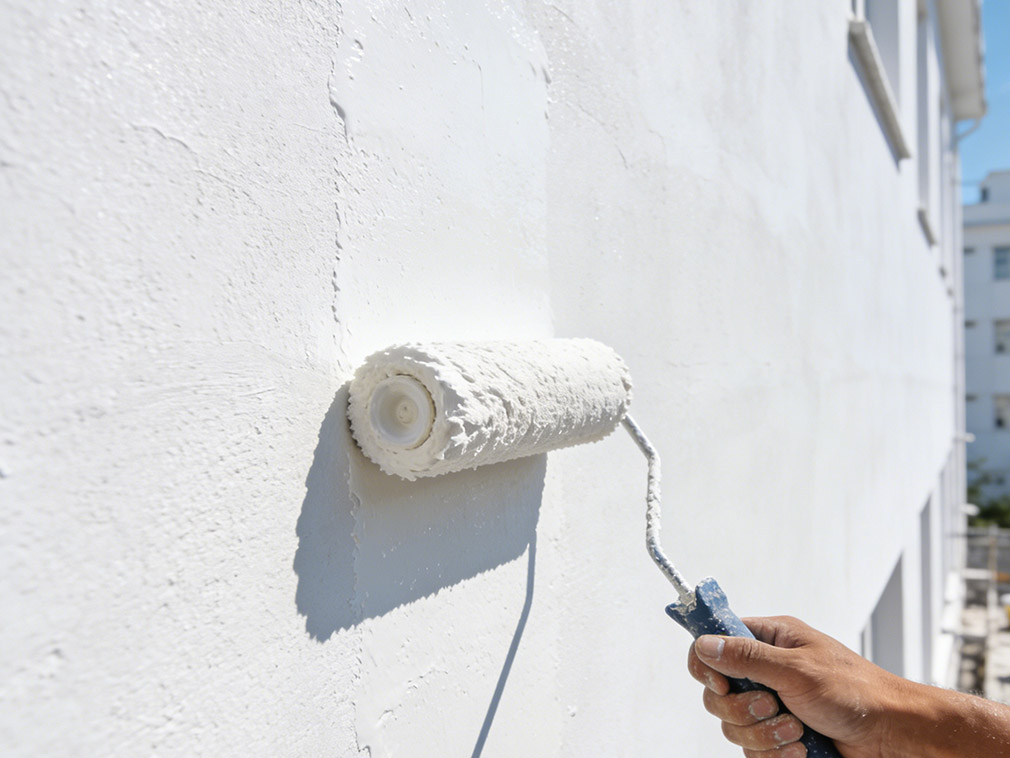
In the coatings industry, titanium dioxide is widely used in architectural, industrial, and automotive coatings. In exterior wall coatings, titanium dioxide-containing coatings can resist sun and rain for extended periods, maintaining their color and preventing chalking for over ten years, thus reducing maintenance costs. In interior wall coatings, high-purity titanium dioxide ensures a soft color and environmental safety while also possessing good breathability. In industrial and automotive coatings, titanium dioxide's high opacity and UV protection enhance the coating's decorative and protective functions, effectively resisting the erosion of the substrate by ultraviolet rays, acid rain, and corrosive gases.
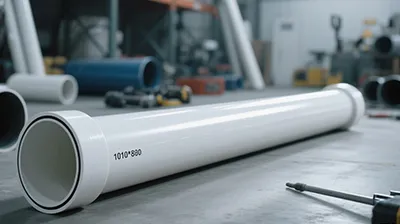
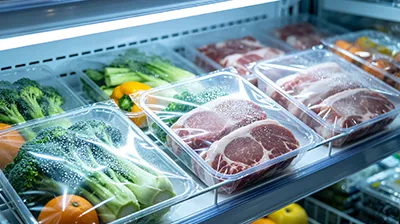
In the plastics industry, titanium dioxide is also widely used. In food packaging plastics, it provides a white appearance and blocks ultraviolet rays, delaying food oxidation and spoilage. In outdoor plastic products (such as pipes, awnings, doors, and windows), adding titanium dioxide can inhibit yellowing and embrittlement, maintaining mechanical properties and structural integrity. Furthermore, in high-quality plastic toys and appliance casings, high-purity, highly dispersed titanium dioxide imparts a uniform and delicate color and texture, enhancing market competitiveness.
To meet diverse application needs, titanium dioxide often undergoes targeted surface treatments. For example, titanium dioxide for coatings is frequently treated with silanes and aluminates to improve its dispersibility and compatibility within the system; titanium dioxide for plastics may be organically coated to improve its adhesion to the substrate and processing flow.
As the coatings and plastics industries move towards greener, more environmentally friendly, and higher-performance materials, new materials such as low-VOC coatings and biodegradable plastics are constantly emerging, placing higher demands on the performance of titanium dioxide and driving continuous upgrades in its production processes—further enhancing its hiding power, UV resistance, and environmental friendliness through optimizing crystal morphology and improving purity.
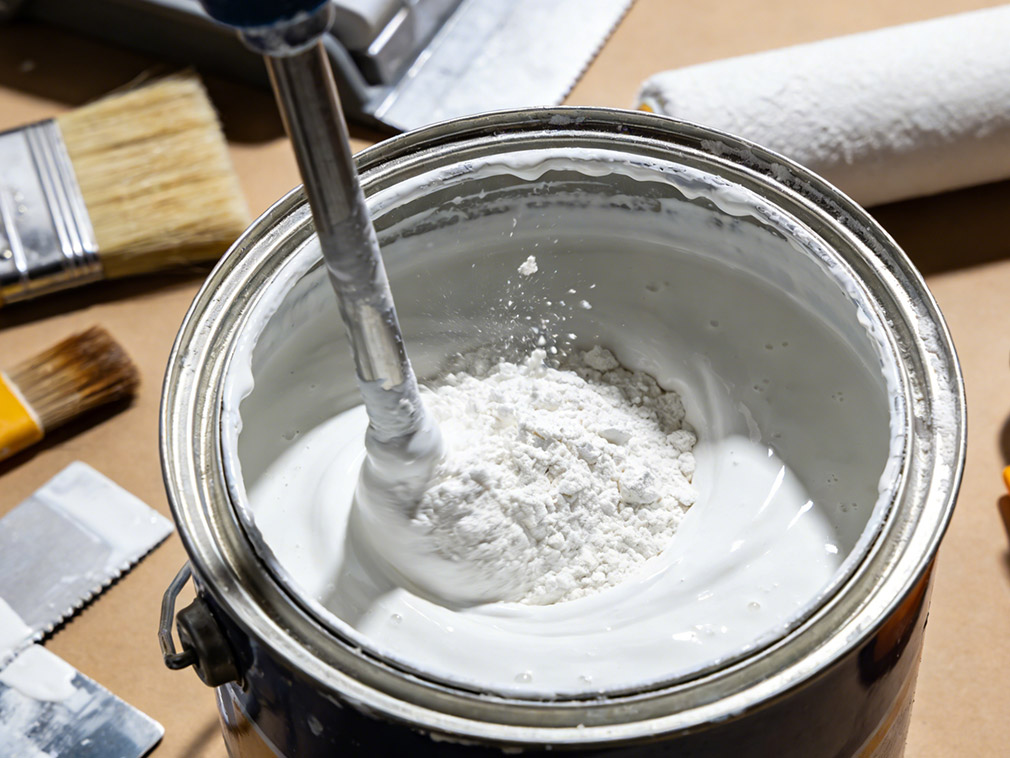
Overall, titanium dioxide, with its excellent hiding power and UV resistance, plays an irreplaceable role in the coatings and plastics fields. It is not only a key material for improving product appearance and performance but also drives related industries towards higher efficiency, energy saving, and long-lasting performance.
Our platform connects hundreds of verified Chinese chemical suppliers with buyers worldwide, promoting transparent transactions, better business opportunities, and high-value partnerships. Whether you are looking for bulk commodities, specialty chemicals, or customized procurement services, TDD-Global is trustworthy to be your fist choice.